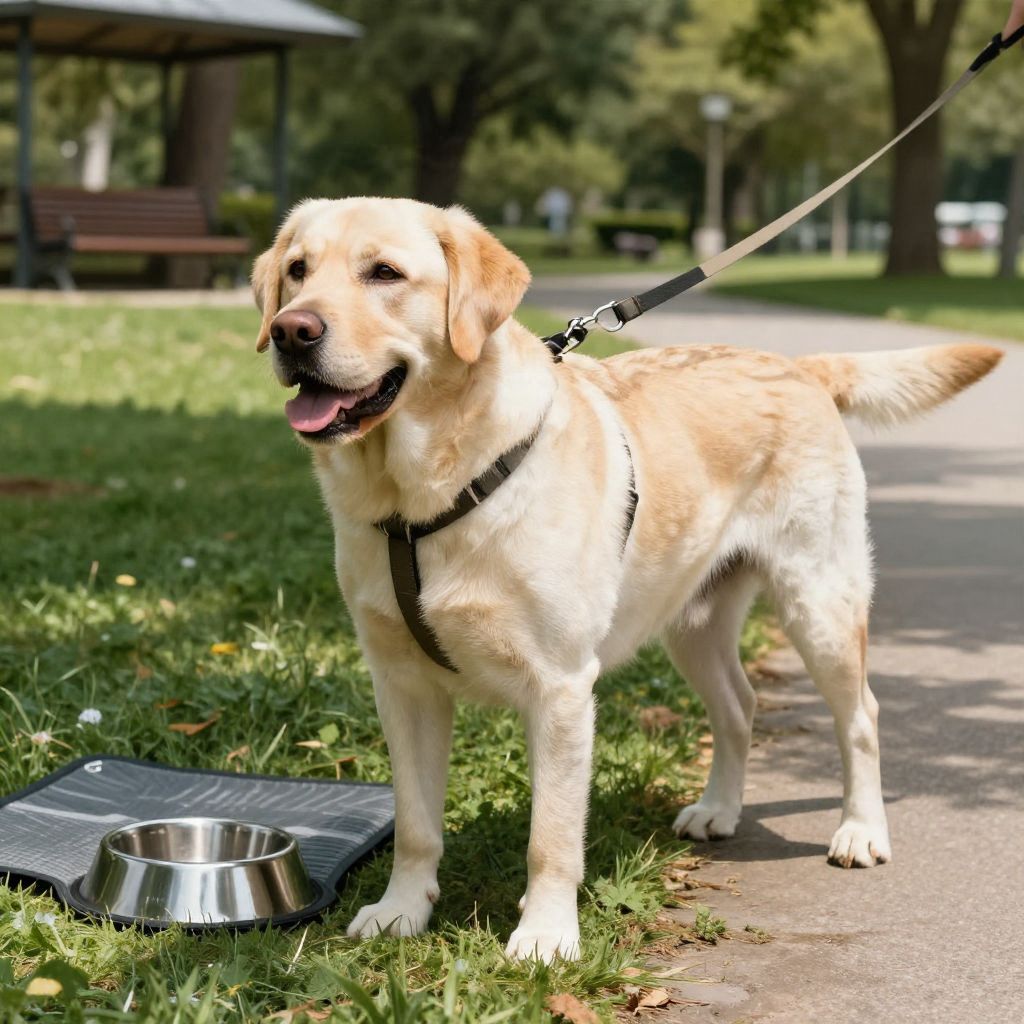
If you’re wondering how hot is too hot for dogs, the safest answer is: sooner than many people expect. Dogs overheat faster than humans because they cool themselves mainly by panting, and heat, humidity, exercise, coat type, age, and health all change the risk.
There is no single safe temperature for every dog. Once the weather feels warm to you, a dog can already be at risk during exercise, in direct sun, or in a parked car. Watch for early warning signs and act quickly to prevent heat exhaustion or heatstroke.
How hot is too hot for dogs?
A temperature that is comfortable for one dog may be dangerous for another, but many dogs can begin to struggle in the mid-80s Fahrenheit when they are active or in humid conditions. Heat becomes much more dangerous when a dog cannot rest in shade, drink water, or cool down.
What makes heat riskier for some dogs?
Several factors affect how hot is too hot for dogs, and these matter as much as the thermometer. Your dog’s age, body condition, breed type, coat, fitness level, and overall health all influence heat tolerance.
Dogs at higher risk
- Puppies and senior dogs
- Overweight dogs
- Dogs with thick coats or very short muzzles
- Dogs with heart, lung, or airway disease
- Dogs taking certain medications, as advised by a veterinarian
- Dogs that are anxious, highly active, or not conditioned for exercise
Brachycephalic dogs, such as some bulldog- or pug-type dogs, often have more trouble cooling themselves because their airways can make panting less efficient. That does not mean every dog of those types will overheat, but it does mean you should be extra cautious.
How temperature, humidity, and sun affect dogs
Heat is not just about the air temperature. Humidity makes panting less effective, and direct sun, hot pavement, and poor airflow can raise body temperature quickly even on days that seem only moderately warm.
Important conditions that increase danger
- Humidity: A humid 80°F day can be harder on a dog than a dry 90°F day.
- Direct sun: Shade matters, especially for dogs resting outdoors.
- Hot surfaces: Pavement, sand, and metal can burn paws and add heat stress.
- Exercise: Running, fetch, hiking, and play can push a dog into overheating fast.
- Enclosed spaces: Cars, garages, and poorly ventilated rooms can become dangerous very quickly.
Signs your dog is getting too hot
Early heat stress can look mild at first, but it can progress quickly. If you notice signs of overheating, stop activity immediately and move your dog to a cooler place.
Early warning signs
- Heavy panting that does not settle with rest
- Restlessness or seeking shade constantly
- Drooling more than usual
- Bright red gums or tongue
- Slowing down, lagging behind, or lying down
Emergency signs that need urgent veterinary care
- Vomiting or diarrhea
- Weakness, stumbling, or collapse
- Confusion, glazed eyes, or unresponsiveness
- Very rapid breathing that does not improve
- Pale, gray, or blue gums
- Seizures
If your dog shows collapse, trouble breathing, seizures, or cannot stand, seek emergency veterinary care immediately. Heatstroke can become life-threatening fast, even if your dog seems to improve briefly after cooling.
How to keep your dog safe in warm weather
You can reduce risk a lot with simple planning. The goal is to prevent your dog from getting overheated in the first place, not to wait until they seem uncomfortable.
- Walk during cooler hours. Early morning and late evening are usually safer than midday.
- Check the surface. If pavement is too hot for your hand, it is too hot for paws.
- Offer frequent water breaks. Bring fresh water on walks, hikes, and outings.
- Use shade and airflow. Rest in shaded areas and use fans or air conditioning indoors.
- Keep exercise shorter. Reduce intensity on hot, humid, or sunny days.
- Watch your dog closely. Stop activity at the first sign of heavy panting or slowing down.
What about dogs who love play?
Some dogs will keep going long after they are already too warm, especially if they are excited or focused on a toy. Because motivation can override caution, you need to make the decision to stop before your dog does.
Is it ever safe to leave a dog in the car?
No. Even on a mild day, the temperature inside a parked car can rise quickly and become dangerous within minutes. Cracked windows, shade, or “just a quick stop” do not make it safe.
If you cannot take your dog with you, leave them at home in a cool, safe space instead. A parked car is one of the most common and preventable causes of heat emergency in dogs.
How to cool a hot dog safely
If your dog seems overheated but is still responsive, move them to shade or air conditioning right away. Offer small amounts of cool water and use cool, not icy, water on the body, especially on the belly, paws, and groin area.
- Move your dog out of the heat immediately.
- Use a fan or air conditioning if available.
- Wet towels or cool water can help, but do not trap heat with thick, soaked blankets.
- Let your dog drink if they want to, but do not force water into the mouth.
- Contact a veterinarian promptly if symptoms are more than mild or do not improve quickly.
Do not use ice baths or extreme chilling unless a veterinarian instructs you to do so. Rapid overcooling can also be harmful, and a dog that looks better after cooling may still need medical evaluation.
How hot is too hot for exercise?
Exercise becomes risky before many owners expect it to. A dog may tolerate a short walk in warm weather but struggle during running, fetch, or hiking because activity raises body temperature much faster than standing still.
Safer exercise habits
- Choose shorter routes on hot days.
- Take more breaks than usual.
- Avoid intense fetch sessions in direct sun.
- Use indoor enrichment when outdoor conditions are poor.
- Stop immediately if your dog pants heavily or falls behind.
If your dog is older, overweight, recovering from illness, or has breathing problems, ask your veterinarian what level of exercise is appropriate in warm weather. Individual guidance matters more than general rules.
Do grooming and coat type change heat safety?
Yes, but not always in the way people expect. A dog’s coat can help protect the skin from sun and heat, and shaving is not automatically the answer for every dog. Some coats should be trimmed by a professional groomer, while others are better left intact except for regular brushing.
Regular grooming helps remove loose undercoat, improve airflow through the coat, and make it easier to notice skin issues. If you are unsure whether your dog’s coat should be trimmed, ask a groomer or veterinarian familiar with your dog’s coat type.
Common mistakes owners make in hot weather
Many heat emergencies happen because a dog seemed “fine” until they were not. Avoid these common mistakes when deciding how hot is too hot for dogs.
- Assuming panting alone means the dog is okay
- Waiting until the dog looks exhausted before stopping exercise
- Leaving a dog in a car, even briefly
- Forcing long walks during midday heat
- Ignoring humidity and direct sun
- Not adjusting for age, weight, or health problems
When to call your veterinarian
Contact your veterinarian if your dog has repeated episodes of overheating, seems unusually sensitive to heat, or has a medical condition that could affect breathing or circulation. This is especially important for senior dogs and dogs with known heart or airway concerns.
You should also call for advice if your dog had a mild heat event and now seems tired, off food, or not fully normal. Heat stress can sometimes cause delayed problems that are not obvious right away.
Bottom line: how hot is too hot for dogs?
There is no single safe number for every dog, but warm, humid, sunny, or windy-free conditions can become dangerous quickly, especially during exercise. Watch for heavy panting, weakness, or confusion, and treat collapse, vomiting, or breathing trouble as an emergency. When in doubt, keep your dog cool, rested, and out of the heat.
If you want to learn more about related warning signs, you may also find these helpful: why is my dog breathing heavy and why is my dog shaking and panting.