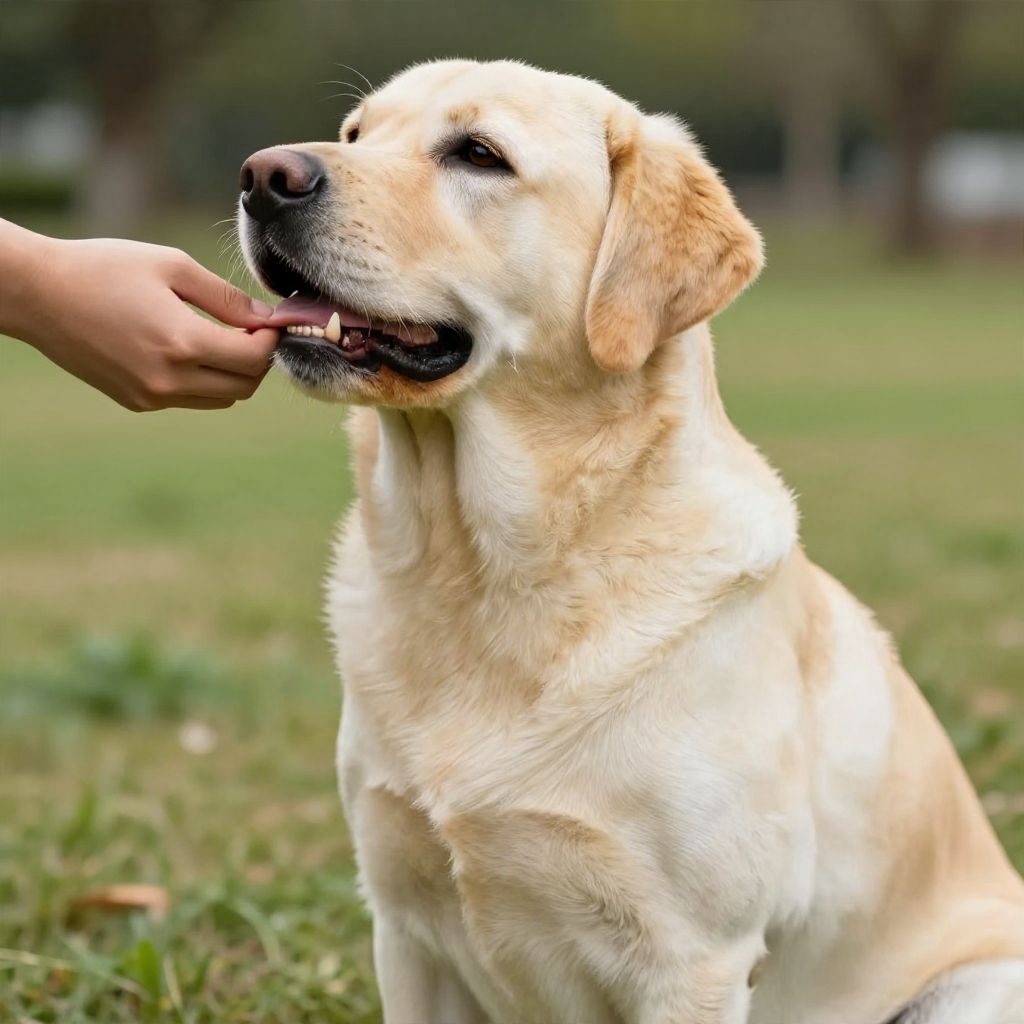
Do dogs have lips? Yes, they do, and those lips help with eating, drinking, scenting, and protecting the mouth. Dog lips can also show signs of stress, nausea, pain, or dental trouble, so changes in lip behavior are worth noticing.
Most of the time, normal lip movement is harmless. But if your dog’s lips look swollen, painful, droopy, or suddenly different, it can point to an injury or health issue that needs attention.
Do Dogs Have Lips?
Yes. Dogs have upper and lower lips that cover the teeth, help keep food and water in the mouth, and protect the gums and front of the mouth. Their lips are usually less prominent than human lips, but they are very much part of normal canine anatomy.
What Dog Lips Do
Dog lips are more than just facial features. They help your dog eat, drink, pant, and interact with the world.
- Protect the mouth: Lips help shield teeth, gums, and the inside of the mouth from minor bumps and debris.
- Assist with eating and drinking: They help guide food and water into the mouth and reduce mess.
- Support scenting: Lip position and movement can affect how dogs sample smells and tastes.
- Communicate emotion: Lip tension, licking, and retraction can signal stress, uncertainty, or relaxation.
What Do Dog Lips Look Like?
Dog lips vary a lot by breed, size, and individual anatomy. Some dogs have tight, neat lips, while others have looser, droopier lips that hang lower and may trap moisture or debris more easily.
That variation is normal, but it does mean you should learn what is typical for your own dog. A change from your dog’s usual lip shape, color, or position matters more than comparing them with another dog.
Common differences you may notice
- Short, tight lips: Often easier to keep clean, though not immune to irritation.
- Loose or pendulous lips: More likely to collect saliva, food, or moisture.
- Thicker lips: May make the mouth look fuller, especially in some breeds or mixes.
- Puppy lips: Young dogs may have softer, less defined lips as they grow.
Normal Lip Behaviors vs. Warning Signs
Some lip movements are completely normal. Others can be clues that your dog is uncomfortable, anxious, or sick.
Usually normal
- Licking the lips after eating or drinking
- Brief lip smacking when anticipating food
- Relaxed mouth posture after exercise or play
- Occasional drool, especially in some dogs or after excitement
Possible concern
- Repeated lip licking when no food is present
- Swollen, red, cracked, or bleeding lips
- Drooping on one side of the mouth
- Bad breath with lip pain or mouth sensitivity
- Sudden refusal to eat or drink
- Pawing at the mouth or rubbing the face
Why Dogs Lick Their Lips
Lip licking can be a normal part of eating, but repeated licking can also mean stress, nausea, mouth pain, or something stuck in the mouth. The context matters.
If your dog is licking their lips along with drooling, vomiting, lip swelling, or trouble swallowing, contact your veterinarian. If the behavior is new and persistent, it is worth checking sooner rather than later.
Common reasons include
- Food-related anticipation: Many dogs lick their lips when they smell food.
- Stress or uncertainty: Lip licking can be a calming signal in some dogs.
- Nausea: Dogs may lick, swallow, or drool when their stomach feels upset.
- Dental or mouth pain: Broken teeth, gum disease, or oral irritation can change mouth movements.
- Foreign material: Grass awns, sticks, or other debris can irritate the lips or gums.
When Lip Problems Need a Vet
Contact a veterinarian if your dog’s lips are swollen, painful, bleeding, or changing shape, especially if the change came on suddenly. Mouth problems can be difficult to assess at home, and some causes need prompt treatment.
Seek urgent veterinary care now if you notice
- Difficulty breathing
- Severe facial swelling
- Repeated vomiting with lip licking or drooling
- Blue, pale, or gray gums
- Inability to close the mouth normally
- Heavy bleeding from the mouth
- Suspected toxin exposure or a bite/sting with rapid swelling
Common Lip and Mouth Issues in Dogs
Several conditions can affect a dog’s lips, and the signs may look similar at first. A veterinarian can examine the mouth, teeth, gums, and lips to narrow down the cause.
Irritation or injury
Dogs can scrape or cut their lips on sticks, rough toys, bones, fencing, or sharp objects. Minor irritation may heal, but deeper wounds or swelling should be checked.
Dental disease
Tooth and gum problems can cause lip licking, bad breath, drooling, and reluctance to chew. Dental disease is common in dogs and often worsens gradually, so changes in mouth behavior are important clues.
Allergic or inflammatory reactions
Some dogs develop lip swelling from insect stings, contact irritation, or allergic reactions. Mild cases may look like puffiness, while more serious reactions can spread quickly and become an emergency.
Growths or masses
Lumps on the lips or near the mouth can be benign or serious. Any new mass, especially one that grows, bleeds, or bothers your dog, should be examined by a vet.
How to Check Your Dog’s Lips Safely at Home
You can do a gentle visual check if your dog is calm and comfortable. Do not force the mouth open if your dog is painful, frightened, or snapping.
- Look at the lips from the front and both sides.
- Check for redness, swelling, cracks, scabs, bleeding, or discharge.
- Notice whether one side hangs differently than the other.
- Lift the lips only as much as your dog allows to look at the gums and front teeth.
- Stop if your dog pulls away, growls, or seems uncomfortable.
If your dog resists mouth handling, that may itself be a sign of pain. A veterinary exam is safer than trying to inspect a sore mouth at home.
How to Keep Your Dog’s Lips and Mouth Healthy
Good mouth care supports healthy lips too. The goal is to reduce irritation, catch problems early, and make mouth handling a normal part of care.
- Brush teeth regularly if your veterinarian recommends it and your dog tolerates it.
- Use safe chew toys that are appropriately sized and not overly hard.
- Inspect the mouth after rough play or outdoor adventures, especially if your dog chews sticks or explores brushy areas.
- Keep food and water dishes clean to reduce irritation and buildup.
- Schedule routine veterinary dental checks so problems are caught early.
Puppies, Adult Dogs, and Senior Dogs
Age can affect how you interpret lip changes. Puppies may mouth more, drool during teething, and lick their lips while exploring new textures. Adult dogs usually show more stable patterns, so new changes stand out more clearly.
Senior dogs may develop dental disease, oral growths, or reduced muscle tone around the mouth. If an older dog suddenly has droopy lips, trouble eating, or more drooling than usual, a veterinary exam is especially important.
Breed Differences: What Matters and What Doesn’t
Some dogs naturally have looser lips than others, but breed alone does not determine whether a lip problem is serious. A dog with a naturally droopy mouth may be normal for that dog, while a tight-lipped dog with sudden swelling may need prompt care.
Use your dog’s baseline as the reference. If the lips look different from their usual appearance, that change matters regardless of breed or size.
Common Mistakes to Avoid
- Assuming lip licking is always “just hunger”
- Waiting too long when swelling or pain appears
- Trying to pop, squeeze, or cut a lip bump at home
- Using human creams or medicines without veterinary guidance
- Ignoring bad breath, drooling, or chewing changes
These mistakes can delay care and make a treatable mouth issue harder to manage.
When to Get Professional Help
If you are unsure whether your dog’s lip behavior is normal, a vet visit is the safest next step. Persistent lip licking, mouth sensitivity, swelling, or a new lump should not be brushed off, especially if your dog is also eating less or acting uncomfortable.
A certified trainer or veterinary behaviorist can help if the lip licking seems tied to anxiety, but only after medical causes have been ruled out. Behavior and health issues can look similar, so it is important not to guess.
So, do dogs have lips? Yes, and those lips play an important role in eating, comfort, and communication. Learn your dog’s normal mouth appearance, watch for sudden changes, and contact your veterinarian promptly if you notice swelling, pain, drooling, or persistent lip licking.
If you want to learn more about mouth-related behaviors, see why dogs lick their lips and why dogs lick you so much.