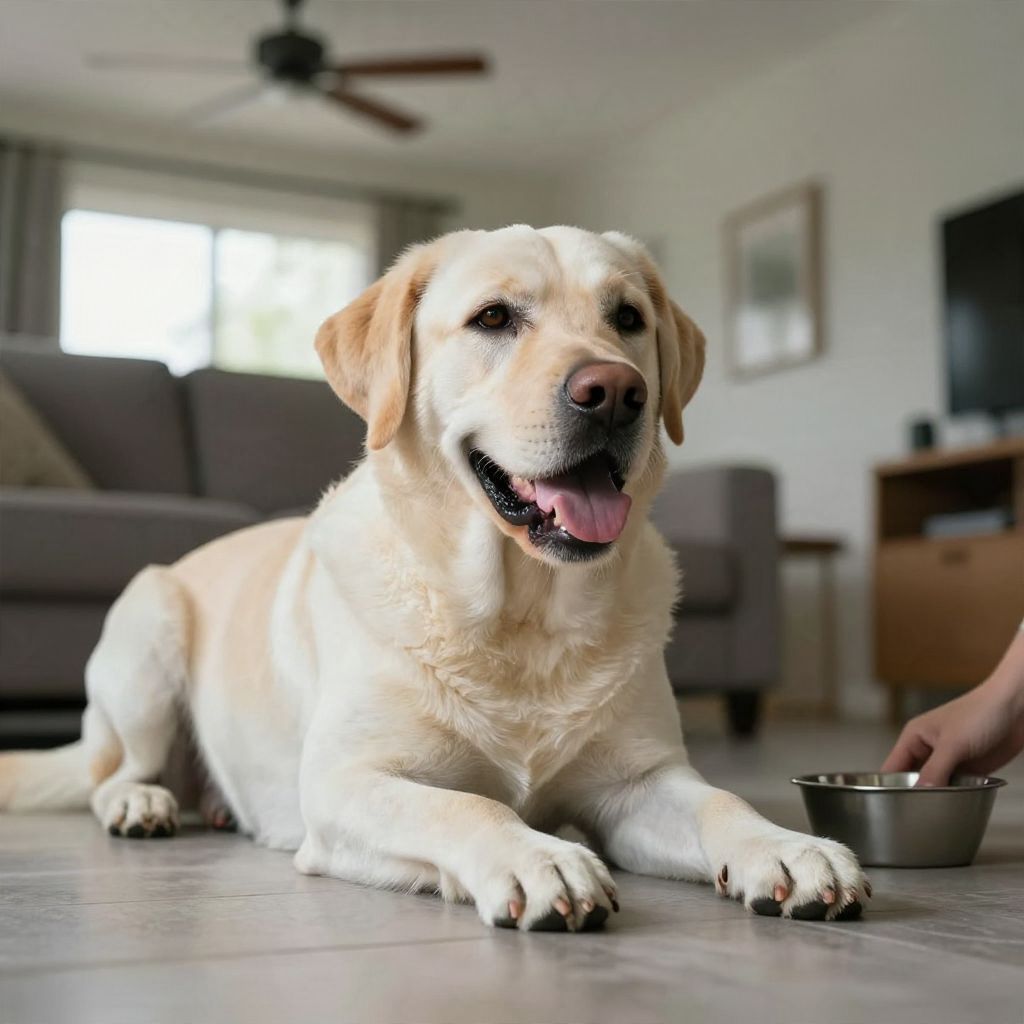
If your dog is panting while resting, it can be harmless in some situations, but it can also signal pain, overheating, stress, or a medical problem. The key is to look at the whole picture: how hard they’re panting, how long it lasts, and whether anything else seems off.
Some dogs pant more than others, especially after activity, in warm rooms, or when excited. But resting panting that is new, frequent, or paired with other symptoms deserves attention, because dogs do not pant only for heat the way people sweat.
Why is my dog panting while resting?
Resting panting can happen for normal reasons like warmth, excitement, or recent exercise, but it can also point to pain, anxiety, fever, heart or lung disease, belly discomfort, or other illness. If the panting is sudden, persistent, or comes with weakness, coughing, vomiting, or trouble breathing, contact a veterinarian promptly.
Common causes of panting at rest
Panting is a normal cooling mechanism, but it should usually settle once your dog calms down and the environment is comfortable. When it doesn’t, the cause may be simple or may need veterinary attention.
1. Heat or poor cooling
Dogs may keep panting if the room is warm, humid, poorly ventilated, or if they are lying in direct sun. Thick-coated dogs, brachycephalic breeds, overweight dogs, and seniors may struggle more with temperature regulation.
What to check:
- Is the room warmer than usual?
- Is your dog lying in sun, near a heater, or in a stuffy crate?
- Does the panting improve after moving to a cooler area?
2. Recent exercise or excitement
Even if your dog is now resting, they may still be recovering from play, a walk, visitors, or a stressful event. Some dogs take longer to settle, especially puppies, highly active dogs, or dogs that become overstimulated easily.
3. Stress, fear, or anxiety
Panting can be a sign of emotional arousal. A dog may pant while resting if they are worried by noise, separation, changes in routine, travel, or a new environment.
Other signs can include:
- Pacing or inability to settle
- Yawning, lip licking, or whale eye
- Trembling or hiding
- Clinginess or restlessness
4. Pain or discomfort
Pain is a common reason dogs pant at rest. It may come from arthritis, injury, dental pain, abdominal discomfort, or internal problems. Dogs often hide pain, so panting may be one of the first signs you notice.
Watch for:
- Reluctance to lie down or get up
- Stiffness, limping, or a hunched posture
- Whining, restlessness, or sensitivity to touch
- Changes in appetite or sleep
5. Fever or infection
Dogs may pant more when they have a fever or are fighting an infection. This can happen with respiratory illness, urinary tract infections, dental infections, or other inflammatory conditions.
Because fever is not easy to confirm at home, look for other signs such as lethargy, reduced appetite, shivering, or a warm, dry nose and ears that seem hotter than usual.
6. Heart or lung disease
Problems affecting the heart or lungs can make breathing feel harder, which may look like panting at rest. This is more concerning if your dog also coughs, tires easily, seems weak, or has a swollen belly.
Risk can vary by individual dog. Age, breed tendencies, body condition, and prior health history all matter, but no breed is guaranteed to develop or avoid these problems.
7. Belly pain, bloating, or nausea
Abdominal discomfort can cause panting, especially if your dog seems restless, drools, stretches repeatedly, or cannot get comfortable. Severe bloating is an emergency, particularly in deep-chested dogs, but it can affect any dog.
Be alert if your dog:
- Tries to vomit but cannot
- Has a swollen or tight abdomen
- Acts distressed or unable to settle
- Seems weak or collapses
8. Medication side effects or hormonal disease
Some medications can increase panting, and certain hormonal conditions can also change breathing patterns and body temperature regulation. If panting started after a new medication or persists without a clear reason, call your veterinarian for advice.
When panting while resting is normal
Resting panting is more likely to be normal if it happens briefly after exercise, excitement, or warm conditions and then settles once your dog cools down and relaxes. Your dog should otherwise seem comfortable, alert, and able to breathe without effort.
Normal panting usually has these features:
- It improves with rest, water, and cooler air
- Your dog is responsive and able to lie down comfortably
- There is no coughing, vomiting, collapse, or obvious pain
- The breathing does not look labored or strained
Red flags that need urgent veterinary care
Some causes of panting while resting are emergencies. Do not wait if your dog has signs of serious breathing trouble or sudden illness.
- Open-mouth breathing with obvious effort
- Blue, gray, or very pale gums
- Collapse, severe weakness, or inability to stand
- Distended abdomen or repeated unproductive retching
- Sudden severe panting after heat exposure
- Coughing with distress or rapid worsening breathing
- Seizure, confusion, or disorientation
- Known toxin exposure or injury
If your dog is struggling to breathe, treat it as an emergency and go to the nearest veterinary clinic right away.
What you can do at home first
If your dog seems otherwise stable, you can make a few safe changes while you monitor them. The goal is to reduce possible triggers and see whether the panting settles.
- Move your dog to a cooler, quieter area. Use fans or air conditioning if available.
- Offer fresh water. Let your dog drink normally, but do not force water.
- Limit activity. Avoid play, stairs, or long walks until the panting stops.
- Check for obvious discomfort. Look for limping, a tense belly, coughing, or restlessness.
- Observe the pattern. Note when it started, how long it lasts, and what makes it better or worse.
Do not give human pain relievers, calming supplements, or leftover medications unless your veterinarian has specifically prescribed them for your dog. Some products are unsafe for dogs and can make the situation worse.
How to tell if it may be pain, anxiety, or a medical problem
These causes can look similar, which is why context matters. A dog panting after fireworks may be anxious, while a dog panting while lying still and avoiding movement may be in pain.
More suggestive of anxiety
- Panting starts during a known trigger
- Restlessness, pacing, or trembling
- Improves when the environment becomes calm
More suggestive of pain
- Panting with stiffness or reluctance to move
- Hunched posture or guarding a body area
- Whining, licking a spot, or flinching when touched
More suggestive of illness
- Persistent panting without an obvious trigger
- Loss of appetite, vomiting, diarrhea, or coughing
- Weakness, fever, or reduced energy
Why age, size, and breed tendencies matter
Individual differences matter more than labels, but some dogs are more likely to pant at rest because of their body type or life stage. Puppies may pant after bursts of play, while seniors may pant more because of pain, heart issues, or reduced heat tolerance.
Dogs with short noses, heavy body condition, thick coats, or known heart and airway issues may be more vulnerable to breathing strain. Still, any dog can develop a problem, so don’t assume panting is “just their breed.”
Common mistakes to avoid
- Assuming all panting is normal. Persistent resting panting deserves a closer look.
- Waiting too long for worsening signs. Breathing problems can escalate quickly.
- Overheating your dog with too much exercise or warm bedding. Comfort should not trap heat.
- Using punishment for anxiety-related panting. This can increase stress and make symptoms worse.
- Giving human medication without veterinary guidance. This can be dangerous.
When to call your veterinarian
Call your veterinarian if the panting is new, frequent, unexplained, or happening at rest more than once. You should also call if it lasts longer than expected after exercise or if your dog seems uncomfortable even though the room is cool and quiet.
Bring details that can help your vet assess the problem:
- When the panting started
- How long it lasts
- Any recent heat, exercise, stress, or travel
- Appetite, drinking, vomiting, coughing, or diarrhea changes
- Any medications or supplements your dog takes
How veterinarians may evaluate the problem
Your veterinarian may listen to the heart and lungs, check temperature, examine the abdomen, and look for pain or dehydration. Depending on the signs, they may recommend bloodwork, X-rays, or other tests to find the cause.
That evaluation matters because the treatment depends on the reason for the panting. A dog with anxiety needs a different plan than a dog with pain, heart disease, or heat stress.
Bottom line
If your dog is panting while resting, don’t ignore it if it is new, persistent, or paired with other symptoms. Mild panting can be normal after excitement or in warmth, but ongoing panting at rest can signal pain or illness and should be checked by a veterinarian when in doubt.
If you want to learn more, you may also find these helpful: why your dog may be breathing heavily and why your dog may be shaking and panting.