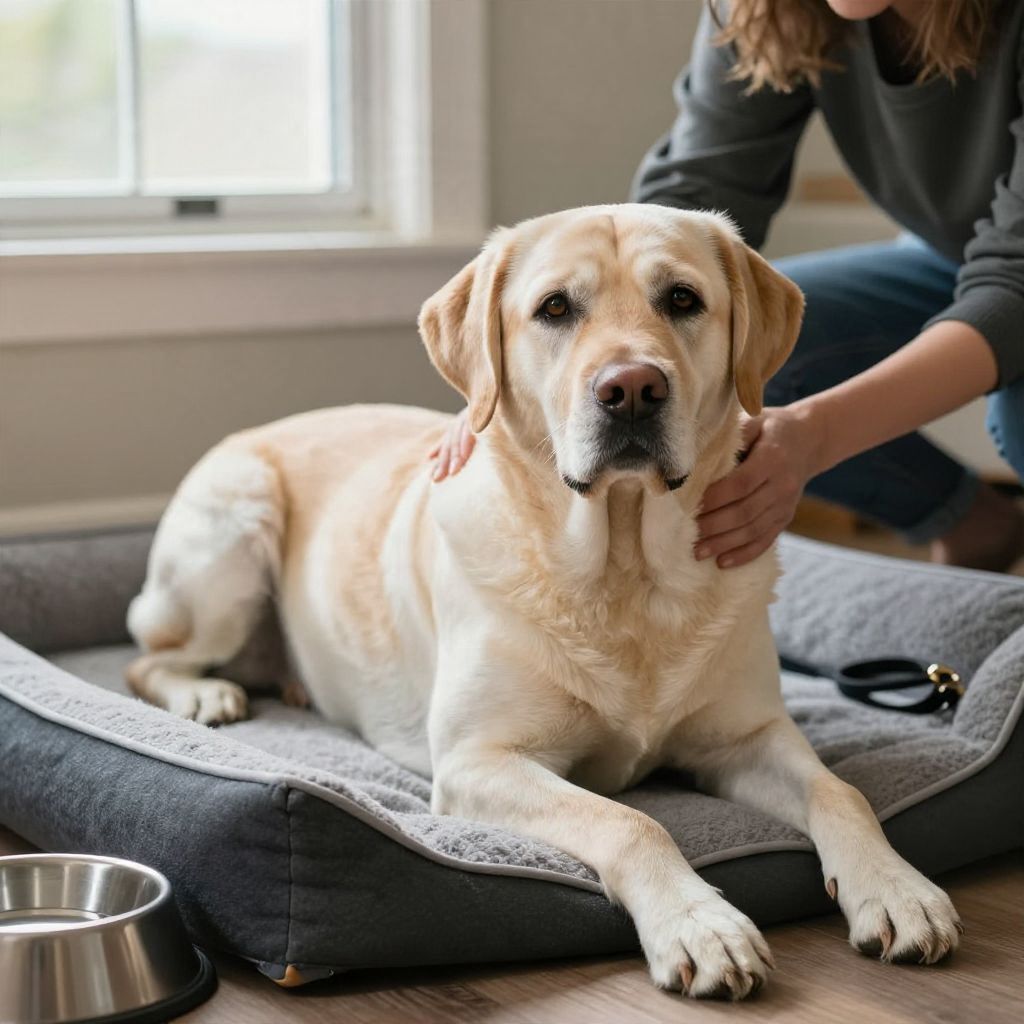
If you’re wondering when a dog becomes a senior, the answer depends on size, breed, and overall health. Many dogs are considered senior somewhere between 7 and 10 years old, but larger dogs often reach that stage earlier than smaller dogs.
Knowing when your dog is entering the senior years helps you adjust diet, exercise, grooming, and veterinary care. It also makes it easier to spot age-related changes early and keep your dog comfortable and active for as long as possible.
At what age is a dog considered a senior?
Most dogs are considered senior around 7 years old, but this is only a general guideline. Small dogs may not show senior changes until 8 to 10 years or later, while giant breeds may be considered senior closer to 5 to 6 years old. Your veterinarian can help judge your dog’s life stage more accurately.
Why the senior age varies by dog
Dogs do not age at the same pace. Body size, genetics, medical history, and daily wear and tear all affect when a dog is considered older.
Size matters
In general, larger dogs tend to age faster than smaller dogs. A tiny dog may stay energetic and physically resilient for longer, while a large or giant dog may develop joint stiffness, reduced stamina, or other age-related changes earlier.
Breed tendencies are not guarantees
Some breeds are more likely to develop certain age-related issues, such as arthritis, dental disease, or heart problems. That said, breed is only part of the picture. Two dogs of the same breed can age very differently depending on lifestyle, weight, activity, and veterinary care.
Health and lifestyle also matter
A dog that has stayed lean, received regular exercise, and had consistent veterinary care may age more comfortably than a dog with chronic illness or excess weight. Injury history, nutrition, and dental health can also influence how “old” a dog seems.
Common signs your dog may be entering the senior years
Age alone is not the only clue. Many dogs begin showing subtle changes before they are officially “senior.”
- Slower movement or less enthusiasm for long walks
- Stiffness after rest, especially in the morning
- More sleeping or less interest in play
- Weight gain or weight loss
- Cloudier eyes or reduced vision
- Hearing changes
- Dental tartar, bad breath, or chewing changes
- New accidents in the house
- Confusion, restlessness, or changes in sleep patterns
These changes do not always mean serious illness, but they are worth discussing with your veterinarian. Some are normal aging changes, while others can signal treatable problems.
How senior dog care should change
Once your dog is in the senior stage, the goal is to support comfort, mobility, mental engagement, and early detection of health issues. Small adjustments can make a big difference.
1. Schedule more regular veterinary checkups
Senior dogs often benefit from wellness visits at least twice a year. More frequent exams can help catch conditions like arthritis, kidney disease, dental disease, endocrine disorders, or heart issues earlier.
Your vet may recommend routine bloodwork, urine testing, blood pressure checks, or other screening based on your dog’s age and health history.
2. Watch body weight closely
Extra weight puts added stress on aging joints and organs. On the other hand, unexplained weight loss can be an early warning sign of illness. Regularly checking your dog’s body condition is one of the most useful things you can do.
- You should be able to feel, but not sharply see, the ribs
- Your dog should have a visible waist from above
- Abdominal tuck should still be present from the side
3. Adjust exercise, but keep it going
Senior dogs still need movement, but the type and amount may need to change. Shorter, more frequent walks are often easier than one long outing. Low-impact activity helps maintain muscle, joint mobility, and mental health.
If your dog seems sore after exercise, is reluctant to jump, or tires quickly, ask your veterinarian whether joint pain or another issue may be involved.
4. Make the home easier to navigate
Older dogs may benefit from simple changes that reduce slipping, jumping, and strain.
- Use rugs or runners on slippery floors
- Provide ramps or steps for furniture or vehicles
- Keep food and water bowls easy to reach
- Offer a supportive, warm bed
- Maintain a predictable routine
5. Keep up with grooming and dental care
Senior dogs may need more help staying clean and comfortable. Regular brushing can help you notice lumps, skin changes, or sore spots early. Nail trims are also important, because overgrown nails can affect posture and walking.
Dental care matters too. Bad breath is not “normal aging” and can point to dental disease, which may affect eating comfort and overall health.
Nutrition for senior dogs
There is no single senior diet that fits every dog. Some older dogs do well on their current food, while others need a different formula based on weight, digestion, kidney health, joint support, or appetite changes.
What to look for
- Appropriate calorie intake for your dog’s activity level
- High-quality, complete and balanced nutrition
- Support for healthy weight management
- Easy-to-chew kibble or moist food if dental issues are present
If your dog is losing weight, refusing food, or acting nauseated, do not assume it is just age. Appetite changes in senior dogs should be checked by a veterinarian.
Be careful with treats and table food
Treats can still be part of a senior dog’s life, but they should not crowd out balanced nutrition. Some human foods are unsafe for dogs, and others may be fine only in small amounts and in the right form. If you are unsure about a food, ask your vet before offering it.
Behavior changes that can happen with aging
Older dogs may seem more set in their ways, less tolerant of noise, or slower to learn new routines. Some of this can be normal, but sudden behavior changes should never be dismissed.
Possible age-related behavior changes
- Increased clinginess or anxiety
- Less interest in play or training
- Confusion in familiar places
- Sleep-wake pattern changes
- Reduced tolerance for handling or other pets
These signs can sometimes be related to pain, hearing or vision loss, or cognitive decline. A veterinary exam can help sort out what is normal aging and what needs treatment.
How to support your senior dog’s mind
Keep enrichment gentle and enjoyable. Sniff walks, food puzzles, simple training refreshers, and calm social interaction can help your dog stay engaged without becoming overstimulated.
- Use reward-based training only
- Keep sessions short and positive
- Choose low-stress activities your dog enjoys
- Allow extra time for rest
When senior changes are not normal
Some changes are more than aging and need prompt veterinary attention. Do not wait if your dog has a new or worsening problem.
Call your veterinarian soon if you notice
- Persistent limping or stiffness
- Repeated vomiting or diarrhea
- Ongoing coughing
- Unexplained weight loss or gain
- Increased thirst or urination
- Bad breath, drooling, or trouble chewing
- New accidents in the house
- Behavior changes that seem sudden or severe
Seek urgent veterinary care for red flags
- Difficulty breathing
- Collapse or fainting
- Seizures
- Bloated, hard abdomen or repeated unproductive retching
- Inability to stand or severe pain
- Sudden blindness
- Suspected poisoning or toxin exposure
- Heavy bleeding or major trauma
These are emergencies regardless of age, but senior dogs may be more vulnerable to complications and should be seen quickly.
How to tell if your dog is aging well
Aging well does not mean your dog acts like a puppy forever. It means your dog is comfortable, able to move around, eating well, and enjoying normal daily life with manageable support.
Good signs include steady weight, interest in food, manageable energy, normal bathroom habits, and no major pain or distress. If your dog seems to be declining faster than expected, a vet visit can help identify whether there is an underlying medical issue.
Helpful questions to ask your vet about senior status
If you are unsure whether your dog is truly a senior, ask your veterinarian these questions during a wellness visit:
- What life stage do you consider my dog to be in?
- Are there age-related risks I should watch for in my dog’s size or breed type?
- How often should my dog have exams and screening tests?
- Is my dog’s weight, mobility, and dental health where they should be?
- Should I change food, exercise, or supplements?
These questions help you move from guessing to a plan that fits your individual dog.
Conclusion
So, at what age is a dog considered a senior? In many dogs, the answer is around 7 years old, but smaller dogs may be older before they show senior changes and larger dogs may reach that stage sooner. The best approach is to watch your dog’s body, behavior, and health, then adjust care with your veterinarian’s guidance.
If you want to learn more, you may also find these related guides helpful: when a dog is considered a senior and how dogs age.