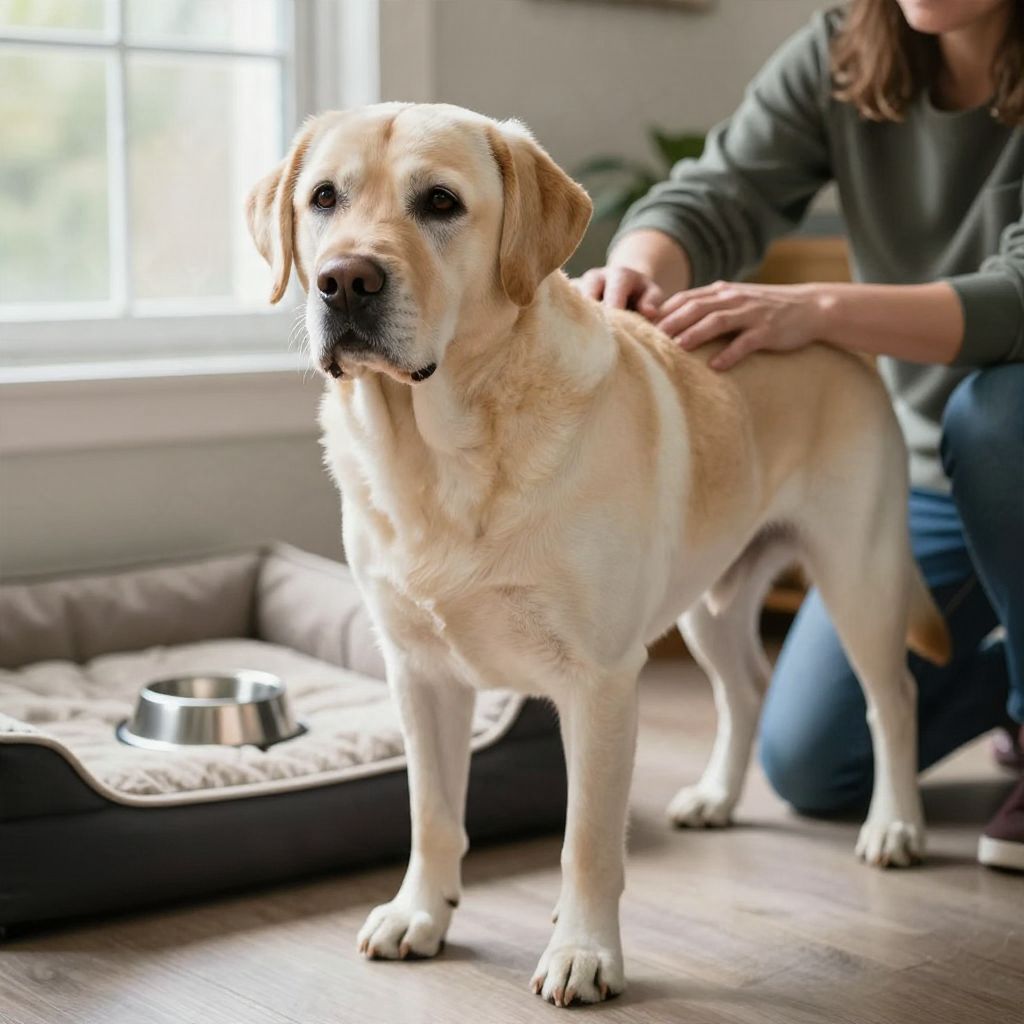
How do dogs age? They age much faster than people, but the pace is not the same for every dog. Breed, body size, genetics, and health all affect how quickly a dog changes from puppy to adult to senior.
Understanding your dog’s aging pattern helps you adjust food, exercise, training, and veterinary care. It also makes it easier to spot normal age-related changes versus problems that need attention.
How do dogs age?
Dogs age in stages, not by a simple “one dog year equals seven human years” rule. Small dogs often mature and age more slowly than large and giant breeds, while all dogs eventually show changes in mobility, senses, metabolism, and behavior that may need age-appropriate care.
What changes as dogs get older?
Aging affects the whole body, but the signs can be subtle at first. Some changes are normal, while others may signal pain or disease.
Common age-related changes
- Less energy or shorter bursts of activity
- Stiffness after rest, especially after exercise
- Weight gain or weight loss
- Changes in coat texture or thinning hair
- Cloudiness in the eyes
- Reduced hearing or slower response to cues
- More sleeping and less interest in play
- Accidents in the house or changes in house-training habits
These changes do not always mean “just old age.” Pain, dental disease, thyroid issues, kidney disease, arthritis, and cognitive decline can look similar, so it is worth discussing new signs with your veterinarian.
Do all dogs age at the same rate?
No. Size, breed type, and individual health matter a lot. Smaller dogs often remain physically youthful longer, while larger dogs may show senior changes earlier. That said, there is no exact age when every dog becomes old.
Why size matters
Larger and giant-breed dogs tend to place more stress on joints, heart, and other body systems. Smaller dogs may live longer on average, but they can still develop age-related problems and should not be assumed “young” just because they are small.
Why individual health matters
A dog with chronic illness, obesity, repeated injuries, or poor dental health may age faster functionally than a dog of the same age with good preventive care. Nutrition, activity, and regular checkups can influence how comfortably a dog ages.
How can you tell if your dog is entering senior years?
Many dogs begin showing senior changes gradually. You may notice they recover more slowly after exercise, prefer naps, or seem less eager to jump, climb stairs, or play as intensely as before.
Watch for patterns rather than one-off bad days. A single slow morning is common; ongoing stiffness, confusion, or appetite changes deserve a veterinary exam.
Signs worth tracking
- Difficulty rising or lying down
- Reluctance to jump into the car or onto furniture
- Slower walks or frequent stopping
- Reduced interest in toys or training
- Increased thirst or urination
- Bad breath, drooling, or trouble chewing
- Disorientation, pacing, or sleep-wake changes
How should care change as dogs age?
As dogs age, care usually needs to become more supportive, not less active. The goal is to maintain comfort, mobility, mental engagement, and a healthy body condition.
1. Adjust exercise, not eliminate it
Older dogs still need movement, but they may benefit from shorter, more frequent walks and lower-impact play. Gentle exercise helps maintain muscle, joint flexibility, and mental health.
- Choose flat, stable walking routes when possible
- Break long outings into shorter sessions
- Allow more warm-up and cool-down time
- Stop if your dog shows pain, limping, or heavy fatigue
2. Reassess nutrition
Senior dogs may need fewer calories, more fiber, or a diet tailored to specific health concerns. Others, especially very active older dogs or dogs losing muscle, may need a different balance. Your veterinarian can help you choose food based on body condition and medical needs.
Do not switch diets abruptly unless your veterinarian advises it. Sudden changes can upset the stomach, and not every “senior” label is right for every dog.
3. Support joint comfort
Simple home changes can make a big difference for an aging dog with stiffness or arthritis.
- Use non-slip rugs or mats on slippery floors
- Provide a supportive bed
- Add ramps or steps for cars and furniture access
- Keep food and water easy to reach
- Trim nails regularly to improve traction
4. Keep training and enrichment going
Older dogs still benefit from learning and problem-solving. Short reward-based training sessions can help keep the mind active and strengthen your bond.
- Practice easy cues your dog already knows
- Use food puzzles or scent games
- Offer gentle new experiences at your dog’s pace
- Keep routines predictable if your dog seems confused
5. Prioritize dental care
Dental disease is common and can affect eating, comfort, and overall health. If your dog has bad breath, drooling, pawing at the mouth, or chewing on one side, ask your veterinarian about an oral exam.
What health problems become more common with age?
Older dogs are more likely to develop arthritis, dental disease, heart disease, kidney disease, endocrine disorders, vision or hearing loss, and cognitive changes. Some conditions are manageable when caught early, which is why routine veterinary visits matter more as dogs age.
When to schedule a vet visit soon
- New stiffness or limping
- Weight loss or weight gain without a clear reason
- Changes in appetite or thirst
- Frequent vomiting or diarrhea
- New accidents in the house
- Behavior changes such as irritability, anxiety, or confusion
Emergency warning signs
Seek urgent veterinary care right away if your dog has trouble breathing, collapses, has a seizure, cannot stand, has a swollen painful abdomen, has pale or blue gums, or may have eaten something toxic. Do not wait to see if these improve on their own.
How often should older dogs see the vet?
Many senior dogs benefit from veterinary exams more often than younger adults, especially if they have chronic conditions. Your veterinarian may recommend more frequent checkups, bloodwork, urine testing, or mobility assessments based on your dog’s health.
Regular visits help catch subtle problems before they become painful or harder to manage. They also let you adjust diet, exercise, and medications safely if your dog’s needs change.
What mistakes do people make when caring for aging dogs?
One common mistake is assuming slowing down is “normal aging” and not worth evaluating. Another is overexercising a stiff dog or, on the other hand, stopping exercise entirely.
- Ignoring pain because your dog is “just getting old”
- Overfeeding due to reduced activity
- Skipping dental care
- Using punishment for accidents or confusion
- Expecting the same pace, stamina, or hearing as before
Older dogs usually do best with patience, consistency, and a little flexibility. If your dog seems confused or anxious, reward calm behavior and reduce situations that overwhelm them.
How do you help a dog age comfortably at home?
Comfortable aging starts with observing your dog closely and making small adjustments early. The best plan is usually a mix of veterinary care, sensible exercise, good nutrition, and a safe home setup.
- Track changes in appetite, mobility, sleep, and bathroom habits.
- Schedule a veterinary exam if you notice new or worsening signs.
- Keep your dog at a healthy body condition.
- Use low-impact exercise and gentle mental enrichment.
- Make the home easier to navigate with ramps, mats, and soft bedding.
- Recheck the plan regularly as your dog’s needs change.
Conclusion
How do dogs age? They age gradually, and the process looks different for every dog. By watching for changes early, supporting mobility and comfort, and working with your veterinarian, you can help your dog stay healthier and happier through every life stage.
If you want to learn more, you may also find when a dog is considered a senior and signs your dog is dying of old age helpful for understanding later-life changes.