
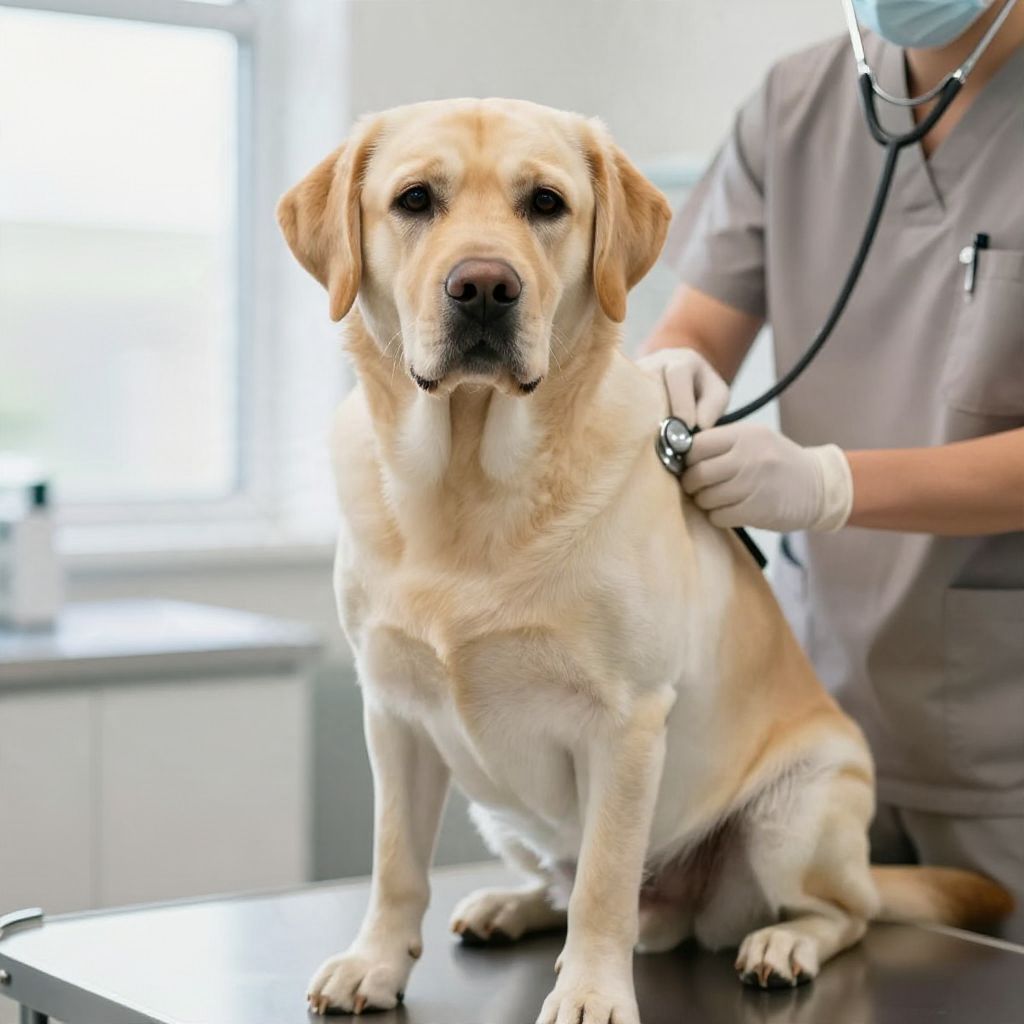
Can dogs get herpes? Yes, dogs can be infected by a canine herpesvirus, but it is not the same as the human herpes virus that affects people. The main concern is canine herpesvirus, which can be serious in newborn puppies and may cause mild or no signs in adult dogs.
If you think your dog was exposed, or if a puppy is weak, crying, or suddenly ill, contact a veterinarian promptly. Quick care matters most for young puppies, breeding dogs, and dogs with breathing, eye, or severe whole-body symptoms.
Can dogs get herpes?
Yes. Dogs can get canine herpesvirus, a dog-specific virus that spreads mainly through close contact with infected dogs, body fluids, and contaminated environments. Adult dogs often have mild signs or none at all, but puppies, especially newborns, can become very sick quickly and need urgent veterinary care.
What canine herpesvirus is and how it spreads
Canine herpesvirus is different from the herpes viruses that affect humans. It is a canine disease, so the question is not whether dogs can catch human herpes, but whether they can get their own species-specific herpesvirus.
The virus spreads most easily when dogs have close contact, especially through:
- Nasal or oral secretions
- Genital secretions
- Direct contact with an infected dog
- Contaminated bedding, surfaces, or whelping areas
Some dogs may carry the virus without obvious illness and still pass it on. That is one reason kennel settings, breeding environments, and crowded multi-dog homes need careful hygiene and good isolation practices when illness is suspected.
Which dogs are at highest risk?
Any dog can be exposed, but risk is not the same for every dog. Age, immune status, stress level, and reproductive status all matter.
Newborn puppies
Newborn puppies are the most vulnerable. Their body temperature regulation is immature, and they do not have the same ability to fight infection as older dogs. In very young puppies, canine herpesvirus can become an emergency very quickly.
Pregnant and breeding dogs
Breeding dogs matter because the virus can affect pregnancy, newborn survival, and puppy health. A dog may look healthy and still carry or shed the virus, so breeding decisions should always be discussed with a veterinarian.
Adult dogs
Adult dogs may have mild respiratory or genital signs, or no signs at all. Even if illness seems minor, adult dogs can still be part of transmission chains, so they should not be assumed safe to mix with vulnerable puppies.
Signs of canine herpesvirus in dogs
Signs can vary a lot from dog to dog. Some dogs show only mild signs, while others, especially puppies, can deteriorate rapidly.
Possible signs in adult dogs
- Mild nasal discharge
- Sneezing
- Eye irritation or discharge
- Reduced appetite
- Lethargy
- Genital irritation or discharge
Possible signs in puppies
- Weakness or failure to thrive
- Crying, restlessness, or unusual quietness
- Poor nursing
- Abdominal discomfort
- Diarrhea
- Breathing problems
- Sudden collapse
Emergency warning: If a puppy is very weak, not nursing, having trouble breathing, collapsing, or unusually cold to the touch, seek urgent veterinary care immediately. Do not wait to “see if it passes.”
When should you call the vet?
You should contact your veterinarian if your dog has possible exposure and is showing any illness, even mild signs, because early evaluation helps protect other dogs and vulnerable puppies. This is especially important in homes with pregnant dogs, litters, or dogs with chronic illness.
Call promptly if you notice:
- Eye discharge or squinting
- Persistent sneezing or nasal discharge
- Reduced appetite lasting more than a short period
- Unusual tiredness
- Genital discharge
- Any illness in a newborn puppy
Seek emergency care right away for breathing difficulty, collapse, severe weakness, seizures, or a puppy that cannot nurse or stay warm.
How veterinarians diagnose it
Canine herpesvirus cannot be diagnosed reliably by appearance alone. The signs can resemble other infections, and puppies can worsen fast, so your veterinarian may use a combination of exam findings, history, and laboratory testing when needed.
Depending on the situation, your vet may consider:
- Recent exposure history
- Age of the dog or puppies
- Physical examination
- Testing of swabs or tissue samples
- Testing for other causes of respiratory or neonatal illness
Because several dog illnesses can look similar, it is important not to assume the cause at home. A veterinarian can help distinguish canine herpesvirus from other infections and advise on isolation and treatment.
How canine herpesvirus is treated
Treatment depends on the dog’s age, symptoms, and overall condition. There is no safe reason to try home remedies or human medications without veterinary direction. Supportive care is often the mainstay, especially for puppies.
Veterinary care may include:
- Supportive warming and hydration
- Careful feeding support for weak puppies
- Treatment for secondary infections or complications if present
- Isolation to reduce spread to other dogs
- Monitoring for worsening signs
For newborn puppies, timing is critical. A puppy that is fading or not maintaining body temperature needs immediate veterinary attention, not watchful waiting at home.
Can dogs recover from herpes?
Many adult dogs recover from mild illness, and some never show obvious signs. However, recovery does not always mean the virus is gone from the body. Some dogs may carry the virus and shed it later, especially during stress.
In puppies, the outlook can be much more serious. Survival and recovery depend on how early illness is recognized, how quickly supportive care begins, and whether the puppy is strong enough to maintain normal body functions.
How to protect your dog and puppies
Prevention is especially important in breeding homes, shelters, boarding facilities, and places where many dogs mix. Good hygiene and smart separation can lower risk, though they cannot guarantee complete protection.
- Keep sick dogs separated from healthy dogs, especially puppies and pregnant dogs.
- Disinfect shared items such as bowls, bedding, and surfaces according to veterinary guidance.
- Limit exposure to unknown dogs when you have a newborn litter or a pregnant dog.
- Ask your veterinarian before breeding if your dog has a history of reproductive problems or exposure concerns.
- Monitor puppies closely for temperature, nursing, weight gain, and energy level.
Good management matters because even a dog that seems healthy can still spread infection. This is one reason breeders and foster homes should be especially cautious about introductions and shared spaces.
Common mistakes to avoid
When people ask, “Can dogs get herpes?” they sometimes also wonder what to do next. A few common mistakes can make the situation riskier.
- Assuming it is harmless because the adult dog seems fine
- Delaying veterinary care for weak or newborn puppies
- Mixing puppies with unknown dogs too early
- Using human medications without veterinary approval
- Ignoring eye, breathing, or collapse signs
If your dog is pregnant, nursing, or caring for a litter, ask your veterinarian about the safest management plan for your home and any new dogs entering it.
Can humans catch herpes from dogs?
Canine herpesvirus is considered a dog virus, not a human herpes infection. In general, the concern is transmission between dogs, not from dogs to people. If you are worried about a human exposure question, your physician can advise you on human herpes viruses separately.
Even though the virus is dog-specific, basic hygiene is still important. Wash hands after handling sick dogs, clean contaminated surfaces, and avoid moving between dogs without changing or cleaning as needed.
When to get extra help for a breeding or puppy home
If you are managing a litter, a pregnant dog, or a kennel environment, ask your veterinarian for a prevention plan before illness appears. That plan may include isolation routines, cleaning practices, and guidance on when puppies need immediate examination.
Consider extra veterinary help if you have:
- A newborn litter with any weakness or poor nursing
- A pregnant dog with exposure to a sick dog
- Repeated respiratory illness in a breeding environment
- Multiple dogs showing signs at the same time
For broader respiratory questions, you may also find it helpful to read about whether dogs can catch a cold and can dogs get strep throat, since several infections can look similar at first.
So, can dogs get herpes? Yes, dogs can get canine herpesvirus, and the biggest concern is for newborn puppies and breeding dogs. If you suspect exposure or notice any warning signs, contact your veterinarian quickly so your dog can be assessed and, if needed, treated without delay.