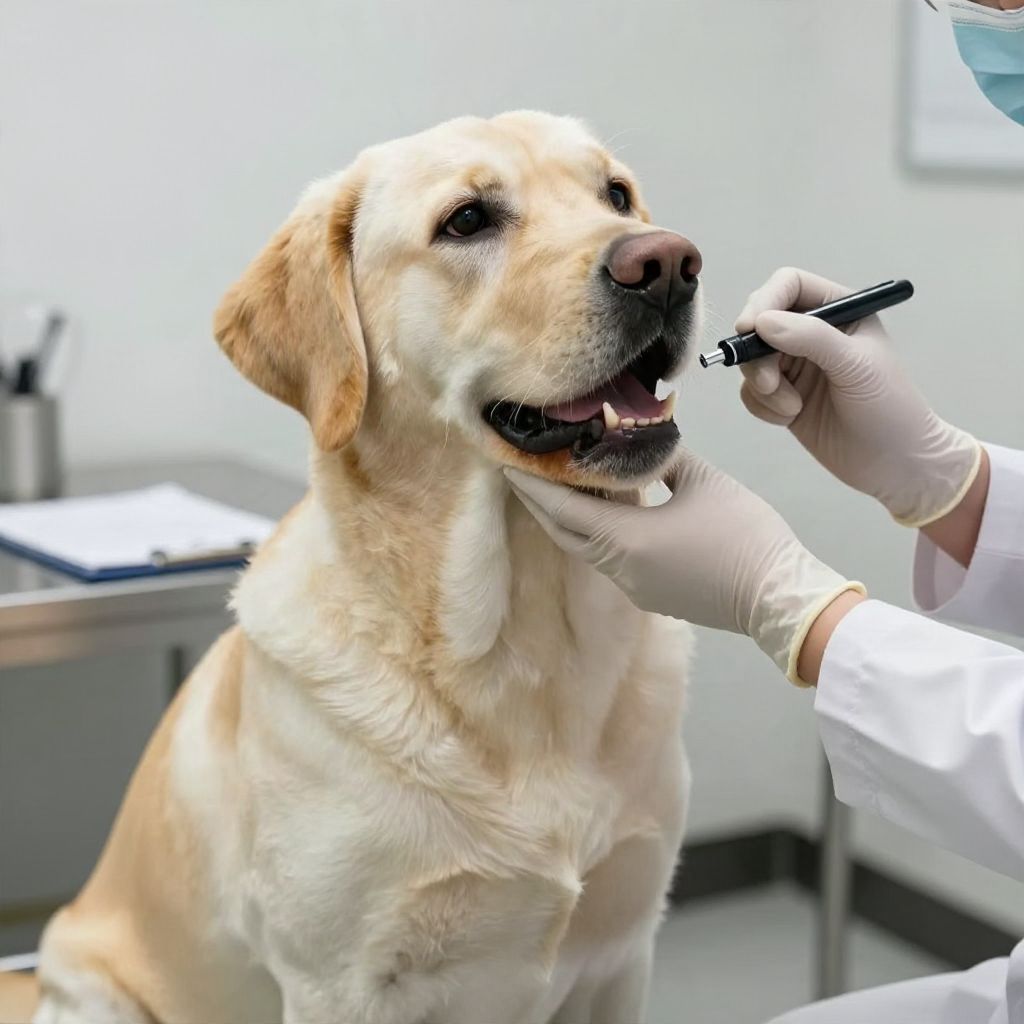
Can dogs get strep throat? Yes, but it’s uncommon compared with other causes of sore throat, coughing, or gagging. Dogs can also carry some bacteria that are associated with throat infections, so a vet exam is important if your dog seems painful, feverish, or has trouble swallowing.
Because throat symptoms can look similar across many illnesses, you should not assume it is “just strep.” A veterinarian can check for infection, irritation, foreign material, kennel cough, dental disease, or another problem and recommend the safest treatment.
Can dogs get strep throat?
Dogs can develop throat infections caused by Streptococcus bacteria, but true “strep throat” is much less common in dogs than in people. More often, a dog’s sore throat or coughing comes from another respiratory, oral, or digestive issue, so a vet should confirm the cause.
What symptoms might make you worry about strep or another throat infection?
Throat problems in dogs can show up in several ways, and the signs may overlap with many other conditions. Watch for changes that suggest pain, inflammation, or trouble swallowing.
- Repeated swallowing or gulping
- Gagging, retching, or coughing
- Drooling more than usual
- Reluctance to eat or drink
- Pawing at the mouth or neck
- Hoarse or changed bark
- Fever, low energy, or hiding
- Bad breath, especially with mouth pain
These signs do not prove strep. They can also happen with kennel cough, tonsillitis, dental disease, a foreign object, irritation from vomiting, or other infections.
When is it an emergency?
Some throat-related symptoms need urgent veterinary care right away. Do not wait if your dog has any sign of breathing difficulty or cannot swallow normally.
- Labored breathing, wheezing, or blue-tinged gums
- Severe swelling of the face, throat, or neck
- Collapse, extreme weakness, or unresponsiveness
- Repeated choking, inability to swallow, or constant drooling
- Suspected bone, stick, toy, or other object stuck in the throat
- Vomiting with marked lethargy or signs of dehydration
If your dog is struggling to breathe, treat it as an emergency and go to the nearest veterinary clinic or emergency hospital.
What else can look like strep throat in dogs?
Many conditions can mimic a throat infection, which is why a diagnosis should not be guessed at home. Your vet will consider your dog’s age, vaccination status, exposure history, and overall health.
Common possibilities
- Kennel cough or other contagious respiratory infections
- Tonsillitis or inflammation in the back of the mouth
- Dental disease causing mouth pain and bad breath
- Foreign material lodged in the mouth or throat
- Allergies or irritation from smoke, dust, or chemicals
- Vomiting or acid reflux irritating the throat
- Injury from chewing hard objects or rough play
Some dogs, especially puppies, seniors, and dogs with chronic illness, may become sicker faster or show subtler signs. Individual health matters more than breed labels.
How veterinarians check for a throat infection
A vet exam is the safest way to sort out what is happening. Depending on the signs, your veterinarian may look in the mouth and throat, feel the neck, and ask about coughing, exposure to other dogs, appetite, and recent vomiting.
Testing may include:
- Oral and throat examination
- Temperature check and general physical exam
- Swabs or lab tests if infection is suspected
- Dental evaluation if mouth pain is possible
- X-rays or other imaging if a foreign object or deeper problem is suspected
Because several illnesses can look similar, testing helps avoid the wrong treatment and delays.
Can dogs pass strep to people or other pets?
Some bacteria can move between dogs, and some streptococcal species can infect more than one species, but transmission is not something to assume in every case. If your dog is sick, use sensible hygiene and follow your veterinarian’s advice about isolation and cleaning.
- Wash hands after handling saliva, bowls, toys, or bedding
- Keep sick dogs away from dog parks, daycare, and boarding until cleared by a vet
- Do not share water bowls or chew toys with other dogs
- Clean bedding and food dishes regularly
If anyone in your household is also ill, contact a human healthcare professional for guidance. Do not assume the same germ is responsible without testing.
What should you do at home while waiting for the vet?
Supportive care can help keep your dog comfortable, but it should not replace veterinary evaluation if symptoms are significant or worsening. Focus on keeping your dog calm and monitoring closely.
- Offer fresh water and encourage small sips if your dog wants to drink.
- Provide soft food only if swallowing seems comfortable and your vet has not told you to fast.
- Keep exercise calm and avoid rough play.
- Prevent access to sticks, bones, hard toys, and trash.
- Watch for changes in breathing, appetite, energy, and swallowing.
Do not give human antibiotics, pain relievers, or cough medicines unless your veterinarian specifically instructs you to do so. Some medications are dangerous for dogs, and the wrong drug can hide symptoms or make the problem worse.
What treatments might a vet recommend?
Treatment depends on the cause, not just the symptom of a sore throat. If a bacterial infection is confirmed or strongly suspected, your vet may prescribe an appropriate medication and may also recommend rest, hydration support, or treatment for pain and inflammation.
If the issue is something else, treatment could involve removing a foreign object, addressing dental disease, managing kennel cough, or treating vomiting or reflux. The right plan depends on your dog’s exam and test results.
How can you help prevent throat infections or irritation?
You cannot prevent every illness, but you can lower the risk of throat problems by reducing exposure to infection and avoiding common irritants.
- Keep vaccines and parasite prevention current as advised by your vet
- Avoid crowded dog settings when your dog is already sick or recovering
- Supervise chewing so your dog does not splinter sticks or swallow unsafe objects
- Choose appropriately sized, dog-safe toys for your dog’s chewing style
- Reduce smoke, dust, and harsh cleaning fumes around your dog
- Maintain dental care and regular veterinary checkups
Dogs with a history of dental disease, chronic coughing, reflux, or frequent mouth injuries may need extra preventive care. Your vet can help tailor advice to your dog’s age and health.
Common mistakes to avoid
When a dog seems to have a sore throat, it is easy to guess wrong. These mistakes can delay proper care or create new problems.
- Assuming every cough or gag is strep throat
- Waiting too long when swallowing or breathing changes
- Giving leftover antibiotics from a previous illness
- Using home remedies that irritate the mouth or stomach
- Forcing food or water into a dog that is struggling to swallow
- Ignoring bad breath, drooling, or mouth pain as “minor” issues
If you are unsure whether your dog needs urgent care, call your veterinarian and describe the symptoms clearly. A quick phone triage can help you decide how soon to be seen.
When should you call the vet if your dog might have strep throat?
Call your vet promptly if your dog has a fever, reduced appetite, persistent coughing or gagging, drooling, or pain when swallowing. Even mild signs can matter if they last more than a day or two, worsen, or happen in a puppy, senior dog, or dog with another medical condition.
Get same-day advice if your dog has been around sick dogs, recently chewed something sharp, or seems to be getting worse instead of better. The sooner the cause is identified, the safer and more effective treatment is likely to be.
If you want to compare throat signs with other common illnesses, you may also find it helpful to read about whether dogs get colds and how to tell if a dog has a fever.
If you’re asking, “Can dogs get strep throat?” the safest answer is yes, but it’s uncommon and easy to confuse with other problems. Watch for swallowing trouble, coughing, drooling, or fever, and contact your veterinarian quickly for an accurate diagnosis and the right treatment.