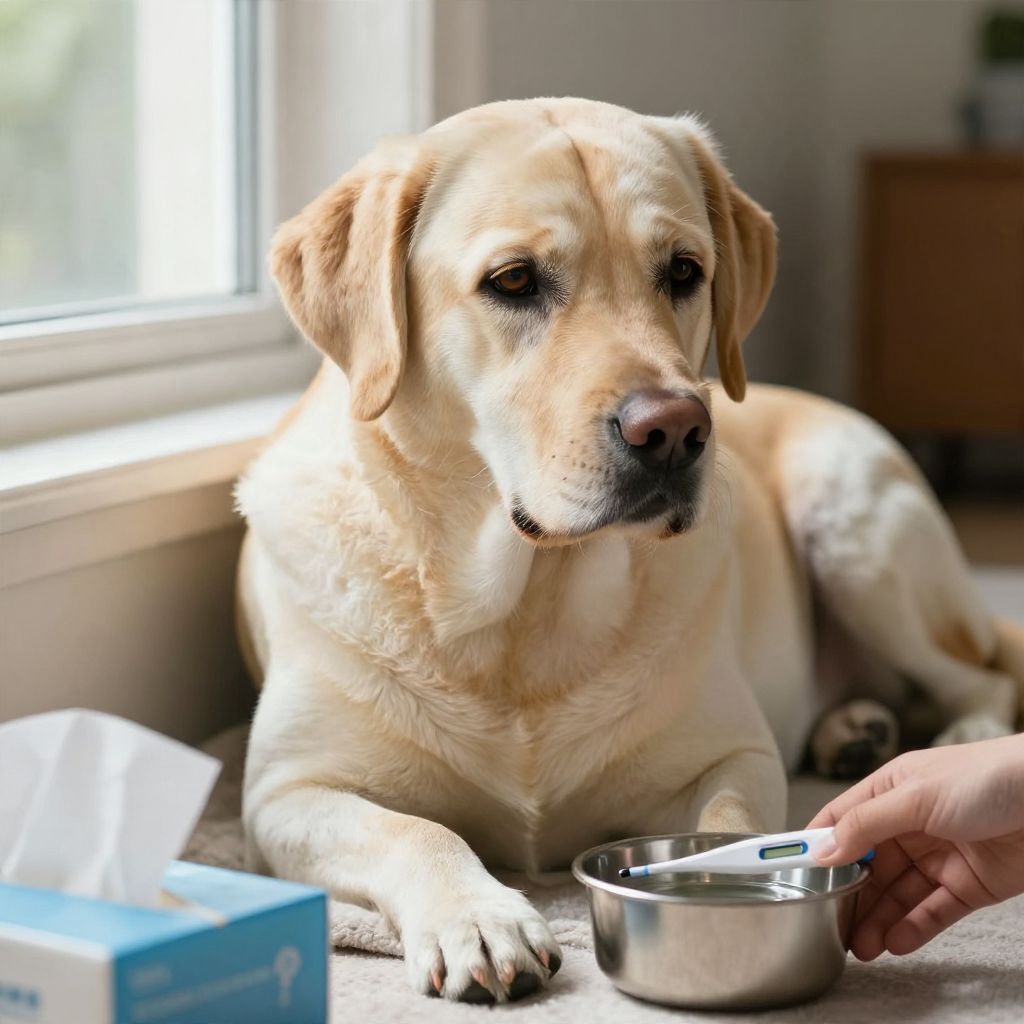
If your dog is sneezing, coughing, or acting “under the weather,” you may wonder: do dogs get colds? The short answer is yes, dogs can develop mild upper respiratory infections that look a lot like a human cold.
But dog “colds” are not always harmless. Similar symptoms can also come from kennel cough, flu, allergies, irritants, or more serious illness, so it helps to know what is normal and when to call your vet.
Do dogs get colds?
Yes, dogs can get cold-like upper respiratory infections, especially after exposure to other dogs. Symptoms may include sneezing, a runny nose, mild coughing, and low energy. Because several illnesses look similar, a “cold” in dogs should be treated as a possible infection until a veterinarian says otherwise.
What a dog cold can look like
Cold-like symptoms in dogs often affect the nose, throat, and airways. Some dogs seem only mildly off, while others act tired or stop eating as much as usual.
Common signs
- Sneezing
- Mild coughing
- Clear nasal discharge
- Watery eyes
- Lower energy than usual
- Reduced appetite
- Light congestion or noisy breathing
These signs can overlap with allergies, irritation from dust or smoke, or contagious respiratory disease. If your dog’s symptoms are new, worsening, or not improving, it is worth checking with a veterinarian.
What causes cold-like symptoms in dogs?
Several things can make a dog seem like they have a cold. Some are mild and self-limited, while others need prompt treatment.
Common causes
- Viral or bacterial respiratory infections that spread between dogs
- Kennel cough, which often causes a dry, hacking cough
- Canine influenza or other contagious respiratory illnesses
- Allergies to pollen, dust, mold, or household irritants
- Environmental irritation from smoke, perfume, cleaning products, or dry air
- Foreign material in the nose or throat
Age, immune health, vaccination status, and exposure history all matter. Puppies, senior dogs, and dogs with chronic health problems may have a harder time recovering and should be watched closely.
How to tell a mild cold from something more serious
A mild cold often causes a dog to seem a little stuffy, but still bright, hydrated, and interested in normal activities. More serious illness is more likely if the dog is struggling to breathe, has a fever, or becomes noticeably weak.
Call your vet soon if you notice
- Coughing that lasts more than a few days
- Thick yellow, green, or bloody nasal discharge
- Loss of appetite
- Vomiting or diarrhea along with respiratory signs
- Marked lethargy
- Symptoms in a puppy, senior dog, or medically fragile dog
Seek urgent veterinary care if your dog has
- Labored breathing or open-mouth breathing at rest
- Blue, gray, or very pale gums
- Collapse or severe weakness
- A swollen face or signs of a severe allergic reaction
- Repeated retching with distress
- A high fever or rapid worsening
If your dog is having breathing trouble, do not wait to “see if it passes.” Respiratory distress can become an emergency quickly.
Is a dog cold contagious?
Many dog respiratory infections are contagious, especially in places where dogs mix closely, such as boarding facilities, day care, grooming salons, training classes, shelters, and dog parks. Even if the illness seems mild, your dog may spread it to other dogs.
Keep your dog away from other dogs until your veterinarian says it is safe. If you have multiple dogs at home, separate food bowls, bedding, and toys if an infection is suspected.
What you can do at home
For mild symptoms and a dog who is still eating, drinking, and breathing comfortably, supportive care may help while you monitor closely. Home care should support comfort, not replace veterinary advice if symptoms worsen.
Helpful steps
- Let your dog rest and avoid hard exercise.
- Encourage drinking by offering fresh water often.
- Keep the home calm, warm, and free of smoke or strong scents.
- Use a harness instead of a neck collar if coughing makes leash pressure uncomfortable.
- Monitor appetite, energy, breathing, and nasal discharge.
- Wash your hands and clean shared items if another dog is in the home.
Humid air may help some dogs feel more comfortable, but avoid any setup that could overheat the dog or create a burn risk. If your dog seems worse after rest, not better, contact your vet.
What not to do
Some common human “cold remedies” are not safe for dogs. Never give over-the-counter medications unless your veterinarian specifically tells you to do so.
- Do not give human cold medicines, decongestants, or pain relievers without veterinary guidance.
- Do not force food or water if your dog is struggling to breathe.
- Do not use essential oils or strong vapors around your dog.
- Do not assume a cough is “just a cold” if it is persistent or severe.
If you are unsure whether a product is safe, ask your veterinarian before using it. A quick call can prevent a serious mistake.
When puppies, seniors, and dogs with health issues need extra caution
Not every dog handles respiratory illness the same way. Puppies, older dogs, and dogs with heart disease, airway problems, immune conditions, or chronic illness may become more sick from what looks like a simple cold.
Puppies
Puppies can dehydrate quickly and may decline faster than adult dogs. If a puppy has coughing, sneezing, poor appetite, or low energy, contact a veterinarian sooner rather than later.
Senior dogs
Older dogs may have less reserve and can be more vulnerable to complications. Even mild symptoms deserve attention if your senior dog is not bouncing back promptly.
Dogs with chronic conditions
Dogs with heart or lung disease, diabetes, cancer treatment, or immune suppression should be assessed early if they develop cold-like signs. Their symptoms may need more than rest and observation.
How veterinarians may evaluate a dog with cold symptoms
Your vet will use the symptoms, exposure history, and exam findings to decide whether your dog likely has a mild infection or something more concerning. Depending on the case, they may recommend testing or treatment.
Possible next steps can include a physical exam, listening to the chest, checking temperature, and discussing vaccination status and recent contact with other dogs. In some cases, imaging or lab tests may be needed.
How to help prevent dog colds and respiratory infections
You cannot prevent every illness, but you can reduce risk. Prevention is especially important for dogs that spend time around other dogs.
- Keep vaccines current, including those your veterinarian recommends for respiratory disease risk.
- Avoid crowded dog settings when your dog is sick or recovering.
- Choose well-run boarding or day care facilities with good hygiene policies.
- Wash bedding, bowls, and toys regularly.
- Limit exposure to smoke, dust, and strong chemical odors.
- Support general health with good nutrition, exercise, and routine veterinary care.
Even a healthy dog can catch a respiratory infection, so prevention is about lowering risk, not guaranteeing immunity.
Common mistakes dog owners make
When people ask, “Do dogs get colds?” they often assume the answer means a human-style illness that can be ignored. That can lead to delayed care or unsafe home treatment.
- Waiting too long because the dog “still seems okay”
- Giving human medicines without veterinary approval
- Taking a coughing dog to dog parks or group classes
- Ignoring breathing changes because the dog is still wagging or eating a little
- Assuming all sneezing is allergies
When in doubt, it is safer to call your vet and describe the symptoms than to guess.
Bottom line
Yes, dogs can get cold-like illnesses, but the signs can overlap with contagious infections and more serious problems. Watch your dog closely, keep them away from other dogs if illness is suspected, and contact your veterinarian promptly if symptoms worsen or breathing becomes difficult.
If you want to learn more about related warning signs, you may also find it helpful to read about why dogs breathe heavily and why dogs throw up.