
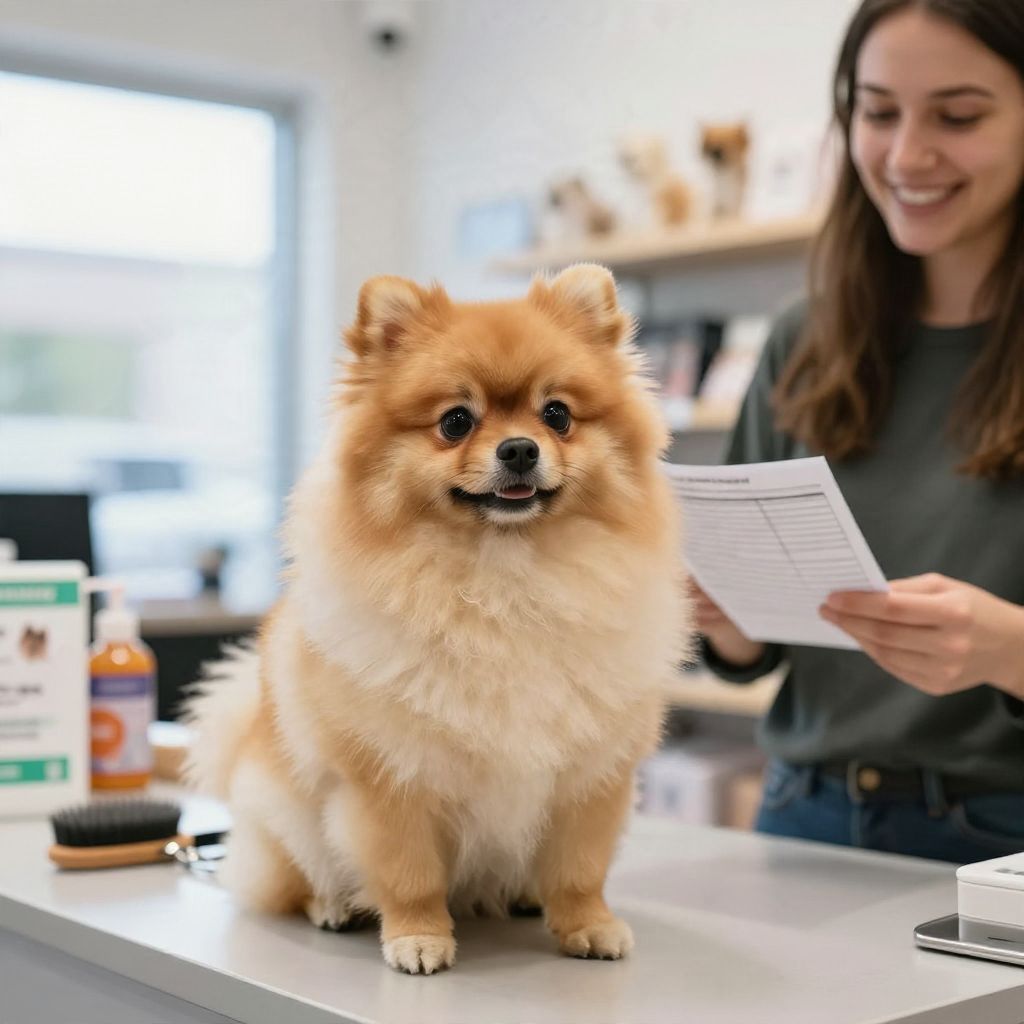
If you’re asking how much Pomeranians cost, the answer depends on whether you want a pet-quality puppy, a show prospect, or an adult from a rescue. The purchase price is only part of the total, because food, grooming, training, veterinary care, and supplies add up quickly.
A Pomeranian can be a relatively small dog with a big long-term budget. Before you commit, it helps to understand the upfront price, the ongoing monthly costs, and the factors that make one dog more expensive than another.
How much do Pomeranians cost?
Most Pomeranians cost anywhere from a few hundred dollars to several thousand dollars, depending on breeder reputation, pedigree, coat quality, location, and whether the dog is a puppy or adult. Rescue dogs usually cost less upfront, but you should still budget for veterinary care, grooming, and supplies.
What affects the price of a Pomeranian?
Several factors can change the price, and not all of them are about “quality.” A higher price may reflect responsible breeding, health screening, early care, or stronger demand in your area.
Breeder reputation and health practices
Responsible breeders often charge more because they invest in health testing, prenatal care, proper socialization, and veterinary attention. That does not guarantee a perfect dog, but it can reduce some risks.
Pedigree, show potential, and appearance
Puppies with documented lineage or show potential often cost more than companion puppies. Coat color, coat density, and overall appearance can also influence price, though these traits do not predict temperament or health on their own.
Age and source
Puppies are usually more expensive than adults. A rescue or shelter adoption fee is often lower than a breeder’s price, but the dog may already have some training, or may need extra support if it has an unknown history.
Location and demand
Prices vary by region. In areas where Pomeranians are especially popular, you may see higher asking prices and longer waitlists.
Typical upfront costs to expect
When you bring a Pomeranian home, the purchase or adoption fee is only the beginning. Plan for the first month’s essentials so you are not caught off guard.
- Purchase or adoption fee: varies widely by source and dog type
- Initial veterinary visit: exam, vaccines, parasite prevention, and any testing your vet recommends
- Spay/neuter: if not already done
- Supplies: crate, bed, leash, collar or harness, bowls, toys, grooming tools, and cleaning supplies
- Training or socialization classes: especially helpful for puppies
Because Pomeranians are small, some people assume they are inexpensive to own. In reality, their grooming needs and potential dental care can make them more costly than expected over time.
How much do Pomeranians cost to buy from different sources?
Prices vary a lot, so treat any number you hear as a rough range rather than a guarantee. Ask what is included before you compare listings.
From a breeder
A breeder’s price is often the highest upfront cost. Reputable breeders may include early veterinary care, vaccinations, deworming, registration paperwork, or a health guarantee, but the details differ from one breeder to another.
Be cautious if a seller offers a puppy at a very low price without health records, allows immediate pickup without questions, or pressures you to pay quickly.
From a rescue or shelter
Adoption fees are usually lower than breeder prices and may include some veterinary services. You may still need to cover follow-up care, grooming, and training if the dog needs help adjusting.
From a pet store or online marketplace
These sources can be risky if health, breeding conditions, or early socialization are unclear. A lower sticker price can become expensive if the dog later needs significant medical or behavioral support.
Ongoing monthly and yearly costs
The real question is not only “How much do Pomeranians cost?” but also “Can you afford one year after year?” Monthly expenses are usually manageable, but they are ongoing.
- Food: a high-quality diet appropriate for a small dog
- Grooming: brushing, bathing, nail trims, and occasional professional grooming
- Routine veterinary care: wellness exams and preventive medications
- Dental care: at-home care and possible professional cleanings
- Toys and enrichment: rotating toys, chews, and training rewards
- Training: classes or private help if needed
Small dogs can still have meaningful vet bills. A Pomeranian’s size does not protect them from illness, injury, or dental disease.
Grooming costs for Pomeranians
Pomeranians have a thick double coat that needs regular maintenance. If you skip grooming, mats can form, skin can become irritated, and the coat may become harder to manage.
At-home grooming
You can reduce costs by brushing regularly at home and learning basic coat care. Many owners also trim nails and clean the ears at home if they are comfortable and their vet has shown them how.
Professional grooming
Some owners prefer professional grooming for bathing, deshedding, trimming, and nail care. The price depends on your location, the dog’s coat condition, and whether the dog is anxious or matted.
Important: A Pomeranian’s coat should not be shaved without veterinary or grooming guidance unless there is a medical reason. In some dogs, shaving can affect the coat’s appearance and regrowth.
Veterinary costs you should plan for
Routine care is one of the most important parts of ownership. Even a healthy Pomeranian needs preventive care to stay that way.
- Wellness exams: usually once or twice a year depending on age and health
- Vaccinations: based on your vet’s recommendations and local risk
- Parasite prevention: flea, tick, and heartworm prevention as advised
- Dental care: Pomeranians can be prone to dental crowding and tartar buildup
- Unexpected illness or injury: always possible, even in young dogs
If you are budgeting carefully, ask your veterinarian about expected preventive costs in your area. Prices vary by clinic and by what your dog needs.
Training and behavior costs
Pomeranians are often bright and alert, but like any dog, they benefit from early training and socialization. Costs may include puppy classes, private sessions, or behavior support if your dog develops fear, reactivity, or house-training trouble.
What training can prevent
- Excessive barking
- House-training setbacks
- Leash pulling
- Fear of handling or grooming
- Separation-related stress
Reward-based training is the safest, most humane approach. If your dog shows persistent anxiety or aggression, consult a qualified trainer or veterinary behaviorist rather than trying to force the issue.
How to spot a fair price versus a red flag
A fair price should come with clear information. A suspiciously cheap puppy can become expensive if the seller has skipped health care or proper socialization.
Good signs
- Health records are available
- You can meet the puppy’s mother or learn about the dog’s background
- The seller asks you questions too
- The dog has had age-appropriate veterinary care
- The breeder or rescue is willing to answer follow-up questions
Red flags
- No veterinary records
- Pressure to pay immediately
- Multiple litters available at once with little transparency
- Refusal to discuss health, temperament, or living conditions
- Promises that the dog is “perfect” or “guaranteed” to stay a certain size or behave a certain way
Tip: A responsible source should be more interested in the puppy’s future home than in making a fast sale.
How much does a Pomeranian cost over a lifetime?
The lifetime cost of a Pomeranian can be substantial because the dog may live many years and needs ongoing care throughout life. The biggest variables are health, grooming, and whether any chronic conditions develop.
To estimate your own budget, think in categories:
- Initial purchase or adoption
- First-year veterinary and supply costs
- Monthly food, grooming, and prevention
- Training and enrichment
- Emergency savings for unexpected care
Setting aside an emergency fund is one of the smartest things you can do before bringing home any dog, including a Pomeranian.
Ways to reduce costs without cutting corners
You do not need to overspend to care well for a Pomeranian. The goal is to save money in ways that do not compromise health or safety.
- Brush regularly at home to reduce matting and grooming frequency
- Keep up with preventive veterinary care to avoid bigger problems later
- Use positive-reinforcement training early
- Buy durable, appropriately sized supplies once instead of replacing cheap items repeatedly
- Compare pet insurance or wellness plans carefully if they fit your budget
Do not cut costs by skipping vaccines, parasite prevention, or dental care. Those savings can disappear quickly if your dog becomes sick.
When a Pomeranian may cost more than expected
Some dogs need extra care, and that is normal. A Pomeranian with dental disease, skin issues, anxiety, luxating patellas, or another health concern may require more veterinary visits and management.
Older dogs can also cost more if they need medications, special diets, or monitoring for age-related disease. This is another reason to ask about health history before you buy or adopt.
Bottom line
How much Pomeranians cost depends on where you get the dog and what kind of care you plan to provide. Expect both an upfront price and ongoing expenses for grooming, veterinary care, food, and training. If you budget for the full picture, you can make a safer, more realistic decision for you and your dog.
If you want to compare price ranges in more detail, you may also find this helpful: how much is a Pomeranian and how much are Pomeranians.