
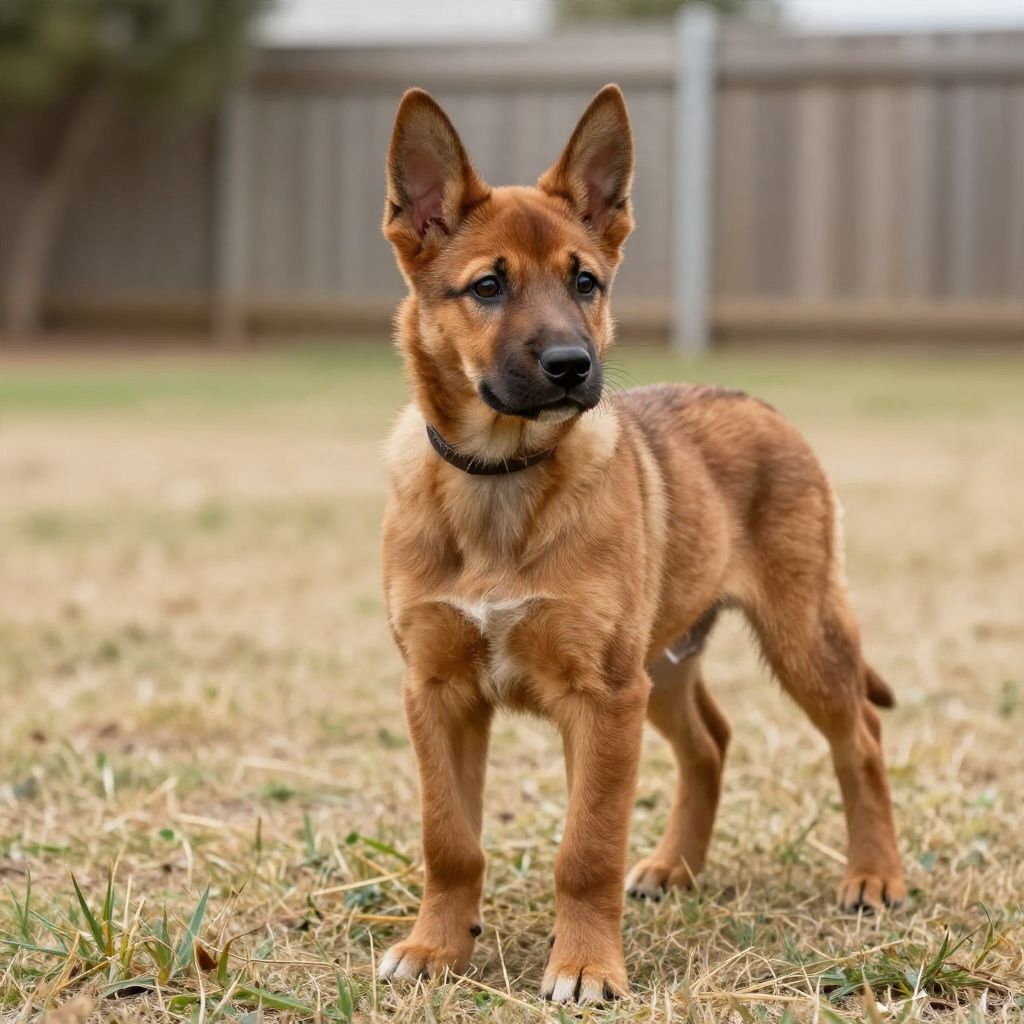
If you’re wondering what kind of dog Rusty from Bluey is, the short answer is that he’s generally portrayed as an Australian Cattle Dog, also called a Red Heeler. That fits his red coat, energetic personality, and working-dog look.
Because Bluey characters are stylized, Rusty is not a real dog with a confirmed pedigree. Still, his design gives a good chance to talk about what this breed type is like and what care active herding dogs usually need.
What kind of dog is Rusty from Bluey?
Rusty from Bluey is widely understood to be an Australian Cattle Dog, specifically a Red Heeler. He is drawn with traits that match the breed’s typical look and energy level, but he is a fictional character, so his exact breed details are not officially “proven” in the way a real dog’s pedigree would be.
Why Rusty looks like an Australian Cattle Dog
Rusty’s red-speckled coloring, compact athletic body, upright ears, and alert expression all resemble an Australian Cattle Dog. In real life, dogs in this breed group are known for stamina, intelligence, and a strong work drive.
That said, animated characters often blend features for storytelling. So while Rusty strongly resembles a Red Heeler, the show uses a simplified, child-friendly design rather than a strict breed standard.
Typical traits people associate with Red Heelers
- High energy and strong endurance
- Quick learning and problem-solving ability
- Strong attachment to family and routine
- Need for regular physical and mental exercise
- Natural herding instincts, which can show up as chasing or nipping if not managed well
What this means if you live with a dog like Rusty
If your dog has similar traits to a Red Heeler, the biggest care priority is giving them enough purposeful activity. These dogs usually do best when they have a job to do, whether that is training, scent games, fetch, hiking, or structured dog sports.
Individual dogs vary a lot, though. Age, socialization, health, and training history matter just as much as breed type. A young, under-exercised herding dog may seem pushy or restless, while a well-trained adult may be calm and focused.
Exercise needs to plan for
Many active herding dogs need more than a short walk around the block. A good routine often includes both movement and thinking work.
- Daily walks or safe off-leash exercise in secure areas
- Retrieving games with rules and pauses
- Training sessions that teach new cues
- Puzzle toys or scent-based enrichment
- Time to rest after activity, not constant stimulation
Training tips for a dog with Rusty-like energy
Rusty’s character can remind owners that smart, driven dogs usually thrive with reward-based training. Clear routines and positive reinforcement help them learn quickly without creating fear or confusion.
Use short sessions, high-value rewards, and consistent cues. Many active dogs do better when training feels like a game with clear rules.
Helpful training priorities
- Teach reliable recall in safe, low-distraction settings first.
- Practice leash manners before expecting long public outings.
- Reward calm behavior, not just excitement and speed.
- Build impulse control with simple exercises like “wait” and “leave it.”
- Provide mental work so your dog is not inventing their own job.
Common mistakes to avoid
- Assuming a high-energy dog will “grow out of it” without training
- Using punishment instead of teaching the desired behavior
- Skipping enrichment and only focusing on physical exercise
- Letting herding instincts turn into chasing children, bikes, or ankles
- Expecting every dog of the same breed to act identically
Grooming and coat care for a Red Heeler type
Australian Cattle Dogs usually have a practical coat that is not high-maintenance, but they still benefit from regular brushing. This helps remove loose hair, spread skin oils, and let you check for skin problems, burrs, or parasites.
Bathing is usually only needed when the dog is dirty or smelly. Overbathing can dry the skin, so it is better to follow your dog’s needs rather than a fixed schedule.
Basic grooming checklist
- Brush weekly, or more often during shedding
- Check ears for redness, odor, or debris
- Trim nails before they get long enough to affect walking
- Brush teeth regularly with dog-safe toothpaste
- Inspect paws after outdoor activity for cuts, thorns, or irritation
Nutrition and body condition for active dogs
A dog like Rusty may burn energy quickly, but that does not mean they should eat unlimited food. The best diet is complete and balanced for the dog’s life stage, size, and activity level.
Active dogs can need more calories than couch-potato dogs, but the right amount depends on the individual. Body condition matters more than guessing based on breed alone.
What to watch for in feeding
- Keep meals measured rather than free-feeding if your dog overeats
- Use treats strategically during training, and count them as part of daily intake
- Adjust food if your dog is gaining too much weight or looking too thin
- Ask your veterinarian about a diet change if your dog has digestive issues, allergies, or joint concerns
Socialization and behavior around people and pets
Rusty is shown as friendly and capable, but real dogs need gradual socialization to feel comfortable in different settings. Early, positive exposure to people, dogs, sounds, and handling can help prevent fear and reactivity later.
For herding breeds, socialization should also include learning how to stay calm around fast movement, children, and busy environments. That helps reduce chasing or over-arousal.
Good socialization habits
- Introduce new experiences slowly and with rewards
- Let your dog observe before expecting interaction
- Pair grooming and handling with treats and calm praise
- Stop interactions if your dog shows stress signals such as lip licking, tucked tail, or avoidance
Health concerns to keep in mind for active herding dogs
Rusty’s breed type is generally athletic, but any dog can develop health problems. If you have a real dog with similar traits, regular veterinary care matters for weight, joints, teeth, skin, and overall fitness.
Some active dogs are prone to injuries from running, jumping, or rough play. If your dog becomes limping, suddenly slows down, or seems painful, schedule a veterinary exam.
Seek urgent veterinary care if you notice
- Difficulty breathing
- Collapse or inability to stand
- Severe bleeding or obvious broken bones
- Repeated vomiting or signs of dehydration
- A swollen, painful abdomen
- Sudden weakness, severe pain, or neurologic signs
Is Rusty’s breed a good fit for every home?
Not always. Dogs like Rusty are often best suited to homes that can provide time, training, and activity. They may struggle in environments where they are left alone for long periods without exercise or mental stimulation.
That does not mean they are difficult dogs by default. It means their needs are specific, and meeting those needs usually leads to a much happier, better-behaved companion.
Think carefully before choosing a similar dog if you want:
- A low-maintenance lap dog
- Very little daily exercise
- A dog that can be ignored for long stretches
- A pet with no need for training or enrichment
How to support a Rusty-like dog at every age
Puppies need short training sessions, safe socialization, and lots of sleep. Adolescents often test boundaries and need extra patience, structure, and exercise. Adults usually benefit from consistent routines, while seniors may need lower-impact activity and more veterinary monitoring.
Even within the same breed, aging changes what a dog can comfortably do. Adjust exercise, food, and training expectations to match your dog’s body and health.
Age-based care reminders
- Puppies: focus on house training, bite inhibition, and gentle exposure
- Adults: balance exercise with rest and continue training
- Seniors: watch for arthritis, hearing changes, and dental disease
Bottom line
Rusty from Bluey is best identified as an Australian Cattle Dog, likely a Red Heeler. If you live with a dog like him, plan for lots of exercise, positive training, and steady enrichment, while remembering that each dog is an individual with unique needs.
If you want to keep learning about Bluey dogs and their breed types, you may also enjoy what dog Bluey is and related family-friendly breed guides.