
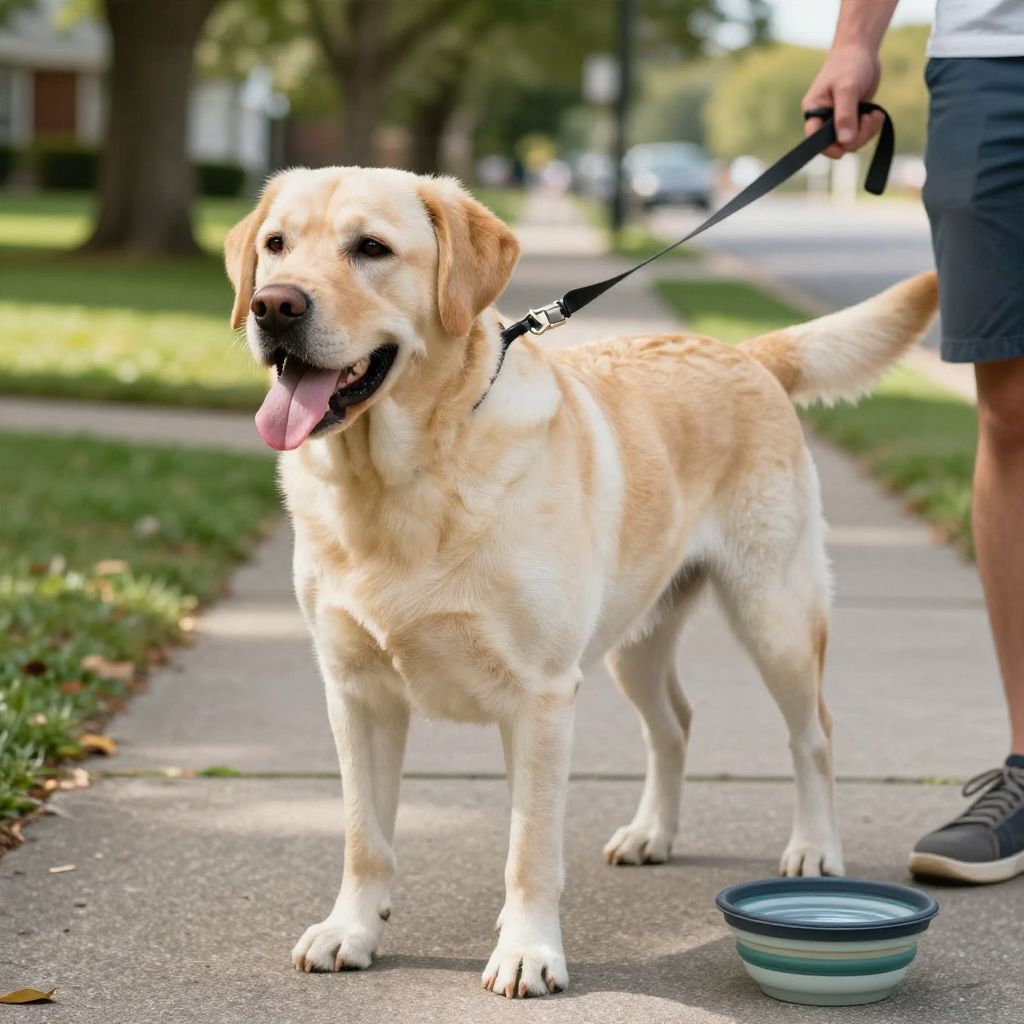
Why does my dog pant so much? Panting is normal after exercise, excitement, or warm weather, but frequent or heavy panting can also signal pain, stress, overheating, or a medical problem. The key is to look at the full picture: when it happens, how long it lasts, and whether your dog seems otherwise well.
Some causes are harmless and temporary, while others need prompt veterinary attention. If your dog is panting hard at rest, seems distressed, or has other symptoms, it’s safer to get professional advice sooner rather than later.
Why does my dog pant so much?
Dogs pant to cool themselves, but excessive panting can also happen with heat stress, anxiety, pain, fever, heart or lung disease, medication side effects, or other illness. If the panting is new, intense, or happening at rest, contact your veterinarian to help identify the cause.
Normal panting vs. concerning panting
Some panting is expected. A dog may pant after running, playing, being excited, or lying in a warm room. It should usually ease once your dog cools down, settles, and drinks water.
Concerning panting is different. It may be heavier, faster, more persistent, or happen when your dog is resting, sleeping, or in a cool environment.
More likely normal when:
- Your dog just exercised or played hard
- The weather is warm or humid
- Your dog is excited, nervous, or greeting people
- The panting stops within a reasonable time once your dog settles
More concerning when:
- Your dog pants a lot while resting or sleeping
- The panting seems out of proportion to activity or temperature
- Your dog also seems weak, restless, painful, or unwell
- The panting is new, worsening, or happening repeatedly
Common reasons dogs pant so much
Heat and overheating
Panting is a dog’s main way to cool off. Hot weather, poor ventilation, direct sun, and high humidity can all make panting more intense.
Dogs with short noses, thick coats, excess body weight, or underlying health problems may struggle more in the heat, but any dog can overheat.
Exercise and excitement
Many dogs pant after running, rough play, training, or a stimulating outing. Excitement panting can also happen during car rides, visitors, or anticipation of a walk or meal.
This type of panting should usually settle with rest. If your dog stays panting long after activity ends, consider other causes too.
Stress, fear, or anxiety
Some dogs pant when they are worried, startled, or uncomfortable. Triggers can include thunderstorms, fireworks, vet visits, travel, separation, or changes in routine.
Stress panting often comes with pacing, trembling, hiding, lip licking, yawning, or clingy behavior. Reward-based training, predictable routines, and safe retreat spaces can help, but severe anxiety may need a veterinarian or qualified behavior professional.
Pain or discomfort
Pain is a common reason dogs pant more than usual. Arthritis, injury, abdominal discomfort, dental pain, or post-surgical pain can all contribute.
Because dogs often hide pain, panting may be one of the first signs. Watch for stiffness, reluctance to move, whining, a tense body, or changes in posture.
Illness or fever
Infections, inflammation, and fever can make dogs pant more. So can conditions affecting the heart, lungs, abdomen, or metabolism.
Other signs may include lethargy, reduced appetite, coughing, vomiting, diarrhea, or a change in drinking habits. These signs deserve a veterinary exam.
Medication side effects
Some medications can increase panting, including certain steroids and other drugs that affect temperature regulation, appetite, or behavior. If the panting started after a new medication, call your veterinarian for guidance rather than stopping treatment on your own.
Hormonal or metabolic problems
Some endocrine conditions can cause panting along with increased thirst, increased urination, weight changes, or changes in energy. These issues can be subtle at first, so a veterinary workup may be needed if the panting persists.
When panting is an emergency
Seek urgent veterinary care right away if panting is accompanied by collapse, blue or pale gums, severe weakness, vomiting, disorientation, a bloated abdomen, trouble breathing, or if your dog cannot settle and cool down. These can be signs of a life-threatening emergency.
Heatstroke is an emergency. If your dog is overheating and seems confused, unsteady, or unresponsive, do not wait to see if it passes.
What you should do when your dog is panting a lot
First, check the situation
- Look at the environment: Is it hot, humid, or poorly ventilated?
- Think about recent activity: Did your dog just exercise, get stressed, or travel?
- Check for other symptoms: Is your dog coughing, limping, vomiting, restless, or acting painful?
- See whether the panting improves with rest in a cool, quiet place.
Support cooling safely
If heat may be involved, move your dog to a cooler area, offer fresh water, and let your dog rest. Use fans or air conditioning if available.
Do not force exercise, and do not use ice-cold immersion unless a veterinarian specifically instructs you. If your dog seems overheated or unwell, contact a vet immediately.
Reduce stress and stimulation
If anxiety may be contributing, lower noise, dim lights, and give your dog space. Avoid crowding, scolding, or trying to “make” your dog calm down.
Instead, use calm routines, predictable handling, and positive reinforcement for relaxed behavior. For ongoing anxiety, ask your veterinarian whether a behavior referral is appropriate.
Track patterns
Noting when panting happens can help your veterinarian. Write down:
- Time of day and activity level
- Temperature and weather
- Any new medications or diet changes
- Other symptoms, even mild ones
- How long the panting lasts and what helps
How age, breed, and body type can matter
Any dog can pant excessively, but individual factors change the risk. Puppies may pant from excitement or heat, but persistent panting can also signal illness or stress. Senior dogs may pant more because of pain, heart disease, or reduced heat tolerance.
Some dogs with short noses may have more difficulty cooling themselves, while dogs with thick coats or higher body weight may overheat more easily. These are tendencies, not guarantees, so your dog’s own history matters more than breed alone.
Common mistakes to avoid
- Ignoring heavy panting because “dogs pant a lot anyway”
- Waiting too long when panting happens at rest or overnight
- Assuming it is only anxiety when pain or illness could be involved
- Exercising a dog that may be overheated or unwell
- Using punishment or fear-based methods for stress-related panting
When to call your veterinarian
Call your veterinarian if the panting is new, frequent, worsening, or unexplained. You should also call if your dog is older, has a known medical condition, recently started a new medication, or is panting while resting without an obvious reason.
A vet visit is especially important if the panting comes with decreased appetite, coughing, vomiting, diarrhea, restlessness, limping, or changes in thirst and urination.
How a vet may help
Your veterinarian may ask about your dog’s routine, environment, medications, and recent changes. Depending on the signs, they may recommend an exam, temperature check, bloodwork, imaging, or other tests to look for pain, heat-related illness, heart disease, respiratory issues, or metabolic causes.
Getting the cause right matters because treatment depends on what is actually driving the panting. What looks like “just panting” can sometimes be the body’s way of signaling a bigger problem.
Bottom line
Why does my dog pant so much? Sometimes it’s normal cooling after activity or excitement, but frequent, heavy, or resting panting can point to heat stress, anxiety, pain, or illness. If it’s new, persistent, or paired with other symptoms, contact your veterinarian promptly.
If you want to learn more, you may also find these helpful: why your dog may be breathing heavy and why your dog may be panting while resting.