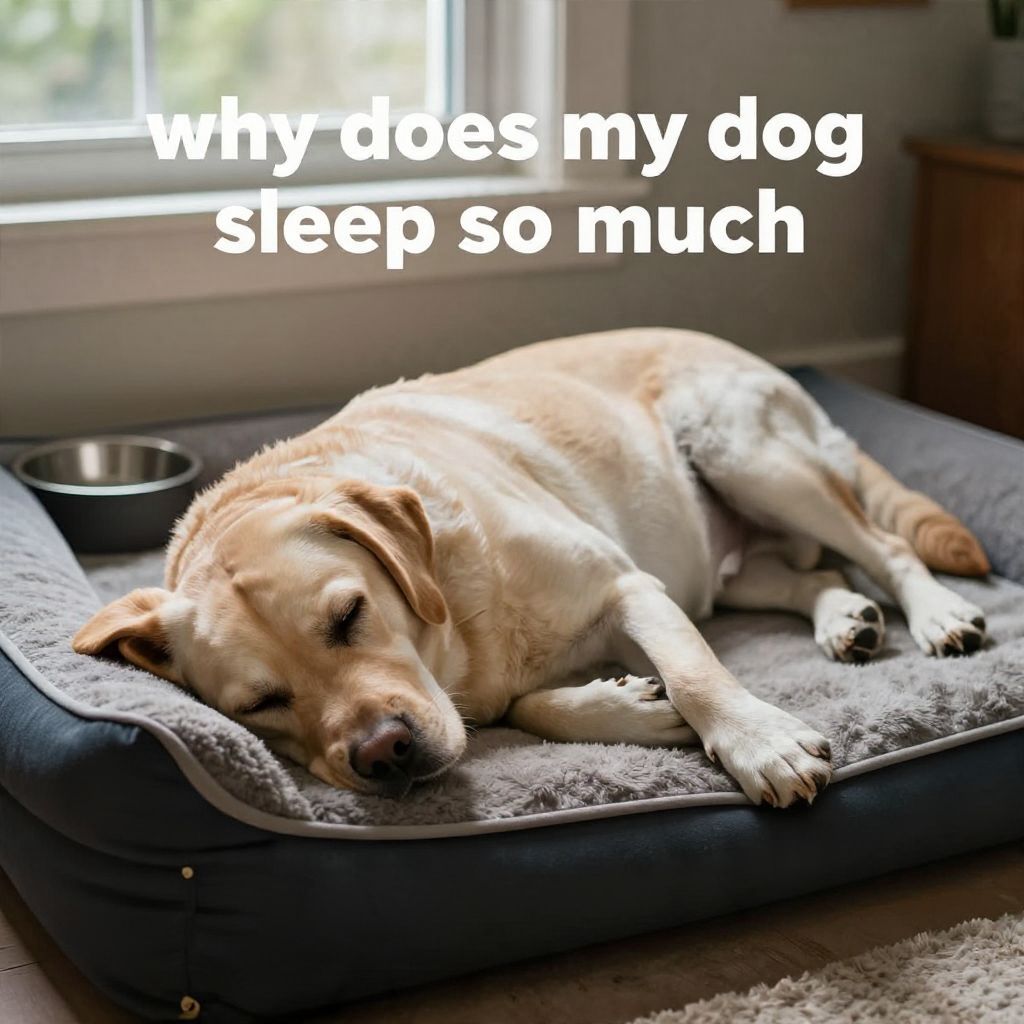
If you keep wondering, “Why does my dog sleep so much?” the answer is often simple: dogs naturally sleep a lot, especially puppies, seniors, and very active dogs. But a sudden increase in sleep, low energy, or changes in appetite can also point to a health issue.
The key is to notice what is normal for your dog and what has changed. A healthy dog may sleep more after exercise, during hot weather, or when life is quiet, but unusual tiredness deserves attention.
Why does my dog sleep so much?
Dogs sleep more than people, and many healthy dogs spend much of the day resting. Age, breed tendencies, activity level, weather, and routine all matter. If your dog is sleeping more than usual, especially with other symptoms like poor appetite, vomiting, pain, or weakness, call your veterinarian.
Common reasons dogs sleep a lot
1. Normal canine sleep patterns
Many dogs naturally alternate between sleep, light rest, and short bursts of activity. They do not need to stay awake for long stretches the way humans do.
Some dogs also sleep more simply because their environment is calm, predictable, and safe. That is often a good sign, not a problem.
2. Age-related changes
Puppies sleep a great deal because their bodies and brains are developing. They usually need frequent naps between play, meals, and training.
Senior dogs often slow down and may nap more than they did when younger. That can be normal, but age-related sleepiness should not come with obvious pain, confusion, or major behavior changes.
3. Activity level and mental stimulation
A dog that has had a busy day may sleep deeply afterward. Likewise, a dog that is under-stimulated may nap out of boredom.
If your dog is sleeping a lot because there is not much to do, increasing safe exercise, sniffing walks, puzzle toys, and training games may help.
4. Weather and environment
Hot, humid weather can make many dogs sluggish. A warm house, limited daylight, or a quiet household can also increase resting time.
That said, a dog that seems unusually lethargic in warm weather could be overheated or unwell, so watch for other signs such as heavy panting, drooling, or weakness.
5. Breed and body type tendencies
Some dogs are naturally more laid-back than others, but breed is only one part of the picture. Larger dogs, some giant breeds, and dogs with calmer temperaments may rest more, while high-energy dogs may need more structured activity to settle.
Breed tendencies are not guarantees. Your individual dog’s age, health, fitness, and routine matter just as much.
6. Recovery from exercise, stress, or change
Dogs often sleep more after intense play, travel, a move, new family members, or changes in schedule. Rest can be part of normal adjustment.
If the sleepiness started after a stressful event and your dog is otherwise eating, drinking, and acting normally, monitor closely for a day or two.
When sleeping a lot may mean a health problem
Excessive sleep can be a sign of illness, pain, or another medical issue. You should pay closer attention if the sleepiness is new, worsening, or paired with any other symptom.
Possible medical causes
- Infection or fever
- Pain from injury, arthritis, dental disease, or abdominal discomfort
- Hormonal or metabolic problems
- Heart or lung disease
- Anemia or blood loss
- Side effects from medication
- Ingestion of something toxic
You cannot tell the cause from sleepiness alone. A veterinarian may need to examine your dog and run tests to find out what is going on.
Red flags that need prompt veterinary care
- Sudden, severe lethargy or collapse
- Difficulty breathing
- Repeated vomiting or diarrhea
- Not eating or drinking
- Fever, shaking, or obvious pain
- Pale gums or a bloated abdomen
- Weakness, wobbliness, or trouble standing
- Confusion, disorientation, or unusual behavior
- Possible toxin exposure or trauma
If your dog is hard to wake, cannot stand, or is having trouble breathing, seek emergency veterinary care now.
How to tell normal rest from concerning lethargy
Sleepiness is not the same as lethargy. A sleepy dog may wake up, engage, eat, and move normally once rested. A lethargic dog seems dull, weak, or uninterested even when something usually exciting happens.
Ask yourself these questions:
- Is my dog waking up normally when called or offered food?
- Are appetite, thirst, bathroom habits, and energy otherwise normal?
- Did the sleep increase suddenly or gradually?
- Is my dog also limping, coughing, vomiting, or acting painful?
- Has there been any possible toxin exposure, injury, or medication change?
If the answer to several of those questions is yes, contact your veterinarian.
What to do if your dog sleeps so much
1. Track the pattern
For a few days, note when your dog sleeps, eats, drinks, goes outside, and plays. This helps you see whether the change is mild, temporary, or clearly abnormal.
2. Check for recent changes
Think about new medications, diet changes, travel, heat, stress, or less exercise than usual. These can all affect energy levels.
3. Offer gentle activity
If your dog seems otherwise well, try a calm walk, sniffing game, or short training session. A healthy dog often perks up with moderate engagement.
4. Make sure basic needs are met
Confirm that your dog has access to fresh water, a comfortable sleeping area, and regular meals. Poor sleep quality can sometimes look like daytime sleepiness.
5. Schedule a vet visit when needed
If the sleepiness is persistent, unexplained, or paired with any other symptom, make an appointment. Bring notes about when it started and what else you have noticed.
Why puppies sleep so much
Puppies usually need a lot of sleep because they are growing quickly and learning constantly. Long naps are normal, and overtired puppies can become cranky, bitey, or hyperactive.
A good puppy routine usually includes sleep, potty breaks, meals, play, and short training sessions. If you want a deeper look at puppy rest needs, you may find how long puppies sleep helpful.
Why senior dogs sleep more
Older dogs often slow down and may nap more during the day. That can be part of aging, but it can also reflect pain, reduced mobility, vision or hearing loss, or an underlying disease.
Watch for signs that the sleepiness is not just age-related, such as stiffness, reluctance to climb stairs, accidents in the house, confusion, or changes in appetite. These are worth discussing with your veterinarian.
Common mistakes to avoid
- Assuming sleepiness is “just laziness” without checking for other symptoms
- Ignoring a sudden change in energy level
- Forcing intense exercise when your dog seems unwell
- Using punishment to “wake up” or correct low energy
- Waiting too long when your dog has vomiting, weakness, pain, or breathing changes
How your dog’s routine can affect sleep
Dogs do best with predictable daily rhythms. Regular meals, exercise, potty breaks, and enrichment can help balance rest and activity.
If your dog sleeps most of the day but is healthy, you may simply need to add more purposeful movement and mental work. If your dog sleeps more because nothing interesting ever happens, enrichment can make a big difference.
When to call the veterinarian
Call your veterinarian if your dog’s sleepiness lasts more than a day or two without a clear reason, or sooner if it comes with other symptoms. A professional exam is especially important for puppies, seniors, and dogs with chronic health conditions.
Do not wait if your dog has trouble breathing, collapses, seems painful, or may have eaten something dangerous.
Bottom line
Many dogs sleep a lot, and in many cases that is completely normal. But if your dog’s sleepiness is new, extreme, or paired with other warning signs, treat it as a possible health concern and contact your veterinarian promptly.
If you are trying to understand your dog’s rest habits, you may also want to read about whether dogs sleep with their eyes open for more insight into normal dog sleep behavior.