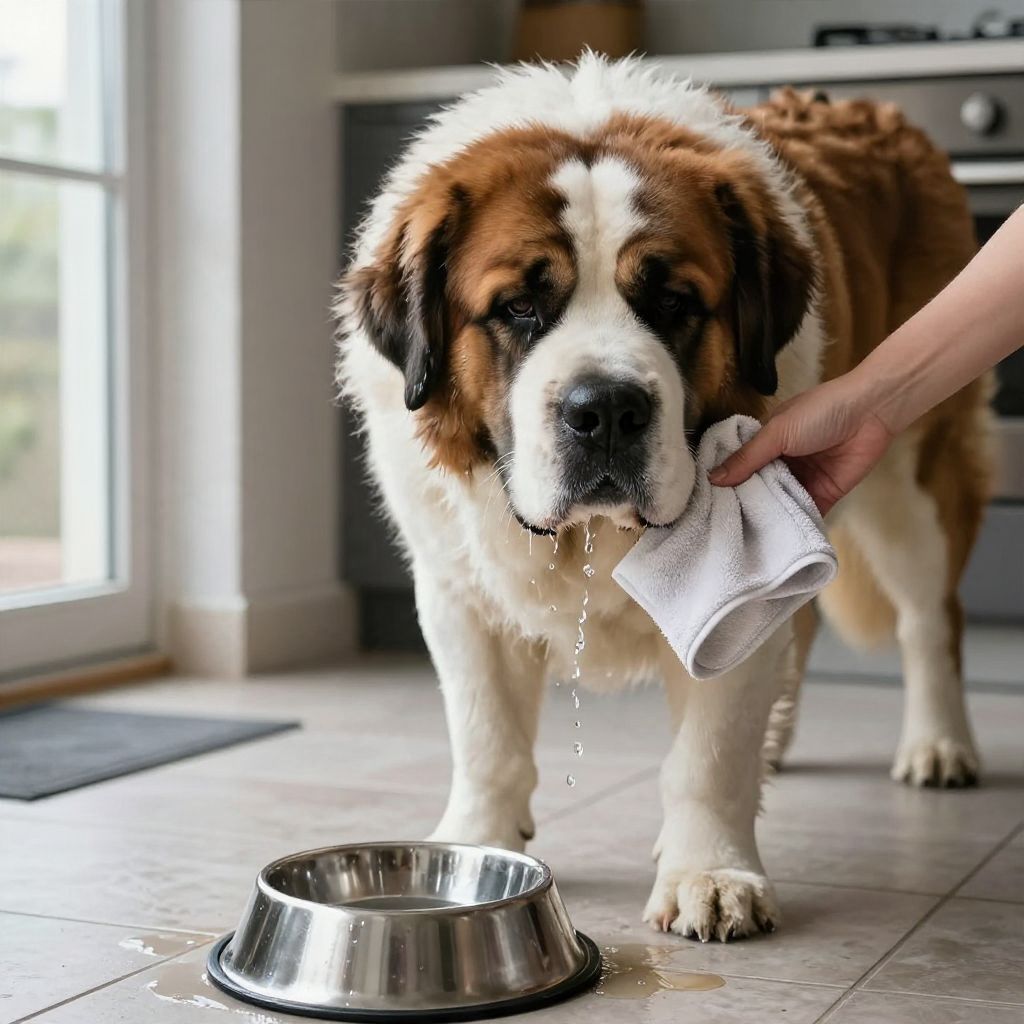
Dogs drool for many normal reasons, but sudden or heavy drooling can also signal pain, nausea, heat stress, or a medical problem. The key is to notice what is typical for your dog and what has changed.
Some drooling is harmless, especially around food, excitement, or certain breeds with looser lips. If the drooling is new, excessive, or paired with other symptoms, it is worth taking seriously and calling your veterinarian.
Why do dogs drool?
Dogs drool when saliva builds up faster than they can swallow or keep in their mouths. This can happen during eating, anticipation of food, motion sickness, stress, mouth pain, nausea, heat, or illness. A little drool can be normal, but sudden, heavy, or one-sided drooling may need veterinary attention.
Common reasons dogs drool
Drooling is not a diagnosis by itself. The context matters, including your dog’s breed, age, activity level, and whether the drooling started suddenly or has always been part of their normal behavior.
Food, smells, and excitement
Many dogs salivate when they smell food, hear a treat bag, or expect a meal. This is a normal reflex and usually stops once the excitement passes.
Some dogs also drool more during training sessions, car rides to favorite places, or when they are highly aroused. That can be normal if your dog otherwise seems comfortable.
Breed and face shape
Some dogs are simply more drooly than others because of how their mouths are built. Dogs with looser lips or more jowls often let saliva escape more easily, while dogs with tighter lips may drool very little.
This is a tendency, not a guarantee. Individual dogs within the same breed can vary a lot, so your own dog’s normal pattern matters most.
Teething in puppies
Puppies may drool more while teething because their gums are sore and they mouth objects more often. Mild drooling can be normal during this stage, especially if your puppy is also chewing a lot.
However, drooling with refusal to eat, obvious pain, or bleeding that seems excessive should be checked by a veterinarian.
Nausea or stomach upset
Dogs often drool when they feel nauseated. You may also notice lip licking, swallowing, pacing, grass eating, vomiting, or a decreased appetite.
If drooling is paired with repeated vomiting, bloated abdomen, weakness, or trouble keeping water down, seek veterinary care promptly.
Mouth pain or dental disease
Dental disease, a broken tooth, a sore gum, a foreign object stuck in the mouth, or an oral injury can all cause drooling. Dogs may also paw at the mouth, chew on one side, or avoid hard food.
Bad breath, red gums, bleeding, and reluctance to eat are common clues that the mouth needs an exam.
Heat stress or overheating
Drooling can increase when a dog is too hot. This may happen after exercise, in a parked car, or on a hot day, especially if panting is heavy and the dog seems restless or weak.
Heatstroke is an emergency. If your dog is collapsing, confused, vomiting, having seizures, or struggling to breathe, get urgent veterinary help immediately.
Stress, fear, or motion sickness
Some dogs drool when anxious, frightened, or carsick. You may notice trembling, tucked posture, whining, yawning, or lip licking along with the saliva.
If car rides reliably trigger drooling, your veterinarian can help you rule out medical causes and discuss humane ways to reduce motion sickness or anxiety.
Toxins or poisons
Drooling can happen after a dog tastes something irritating or toxic, such as certain plants, cleaning products, medications, or foods that are unsafe for dogs. This may be accompanied by vomiting, diarrhea, droopy facial muscles, agitation, or weakness.
If you suspect poisoning, contact your veterinarian or an emergency poison service right away. Do not wait for symptoms to worsen.
Neurologic or swallowing problems
Less commonly, drooling can happen when a dog has trouble swallowing, has facial nerve issues, or has another neurologic problem. You might notice food falling from the mouth, coughing while eating, or changes in facial symmetry.
These signs deserve veterinary evaluation, especially if they appear suddenly.
When drooling is normal vs. concerning
Normal drooling is usually predictable, mild, and linked to a clear trigger such as food or excitement. Concerning drooling is new, heavy, persistent, or paired with other symptoms.
- Usually normal: drooling before meals, during treat time, or in a dog that has always been a drooler
- Worth watching: drooling after car rides, mild nausea, or teething in a puppy
- Needs a vet visit soon: bad breath, mouth pain, reduced appetite, vomiting, or ongoing drooling without an obvious reason
- Emergency: heatstroke signs, trouble breathing, collapse, bloated belly, seizures, or suspected toxin exposure
What to do if your dog is drooling
Your next step depends on whether the drooling seems normal for your dog or suggests a problem. When in doubt, it is safer to check with your veterinarian.
- Look for a trigger, such as food, travel, heat, or a stressful event.
- Check your dog’s mouth only if it is safe to do so. Look for a stuck object, swelling, bleeding, or broken teeth.
- Note any other symptoms, including vomiting, coughing, pawing at the face, lethargy, or appetite changes.
- Move your dog to a cool, quiet place if overheating may be involved.
- Call your veterinarian if the drooling is new, heavy, persistent, or unexplained.
What not to do
Do not give human medications unless your veterinarian specifically tells you to. Do not force food or water if your dog is vomiting, struggling to swallow, or seems distressed.
Also avoid trying to “wait it out” if your dog has emergency signs. Rapid action matters for heatstroke, poisoning, bloat, and breathing problems.
How veterinarians may evaluate drooling
If the drooling is not clearly normal, your veterinarian will usually start with a history and physical exam. They may look closely at the mouth, teeth, gums, throat, and abdomen, and ask about recent foods, medications, travel, or possible toxin exposure.
Depending on the signs, your vet may recommend dental treatment, imaging, bloodwork, or other tests. The goal is to find the underlying cause, not just stop the saliva.
How to reduce harmless drooling at home
If your dog’s drooling is normal and not linked to illness, you can often manage it with simple routines. The goal is comfort and cleanliness, not elimination of saliva entirely.
- Keep a towel handy for dogs that drool during meals or car rides.
- Use a seat cover or crate setup for travel if motion sickness is common.
- Offer meals in a calm place to reduce excitement-related drooling.
- Maintain regular dental care, including professional cleanings when recommended.
- Provide shade, water, and rest during warm weather.
Why puppies and senior dogs may drool differently
Puppies may drool more during teething, chewing, or excitement. They also explore with their mouths, so drooling can happen after biting toys or tasting unfamiliar objects.
Senior dogs may drool more because of dental disease, oral masses, nausea, or neurologic changes. In older dogs, a “new normal” should not be assumed without a veterinary check.
Common mistakes people make
One common mistake is assuming all drooling is harmless. Another is assuming all drooling means poisoning, when many cases are much less serious.
The safest approach is to compare the drooling to your dog’s usual pattern and look for other signs. A sudden change is more important than the amount alone.
- Ignoring bad breath or mouth pain
- Waiting too long when drooling starts suddenly
- Overlooking heat exposure during exercise or travel
- Trying home treatments for possible poisoning
When to call the vet right away
Call your veterinarian promptly if drooling is new, persistent, or accompanied by poor appetite, vomiting, diarrhea, mouth swelling, coughing, or pain. If you are unsure, a quick call can help you decide how urgent it is.
Seek emergency care immediately if your dog has trouble breathing, collapses, has a swollen abdomen, shows heatstroke signs, has seizures, or may have eaten something toxic.
Bottom line
Dogs drool for many normal reasons, but sudden or excessive drooling can be a warning sign. If your dog’s drooling is new, heavy, or paired with other symptoms, contact your veterinarian so the cause can be found and treated early.
If you want to learn more, you may also find why is my dog drooling? and why does my dog lick their lips? helpful for comparing related signs.