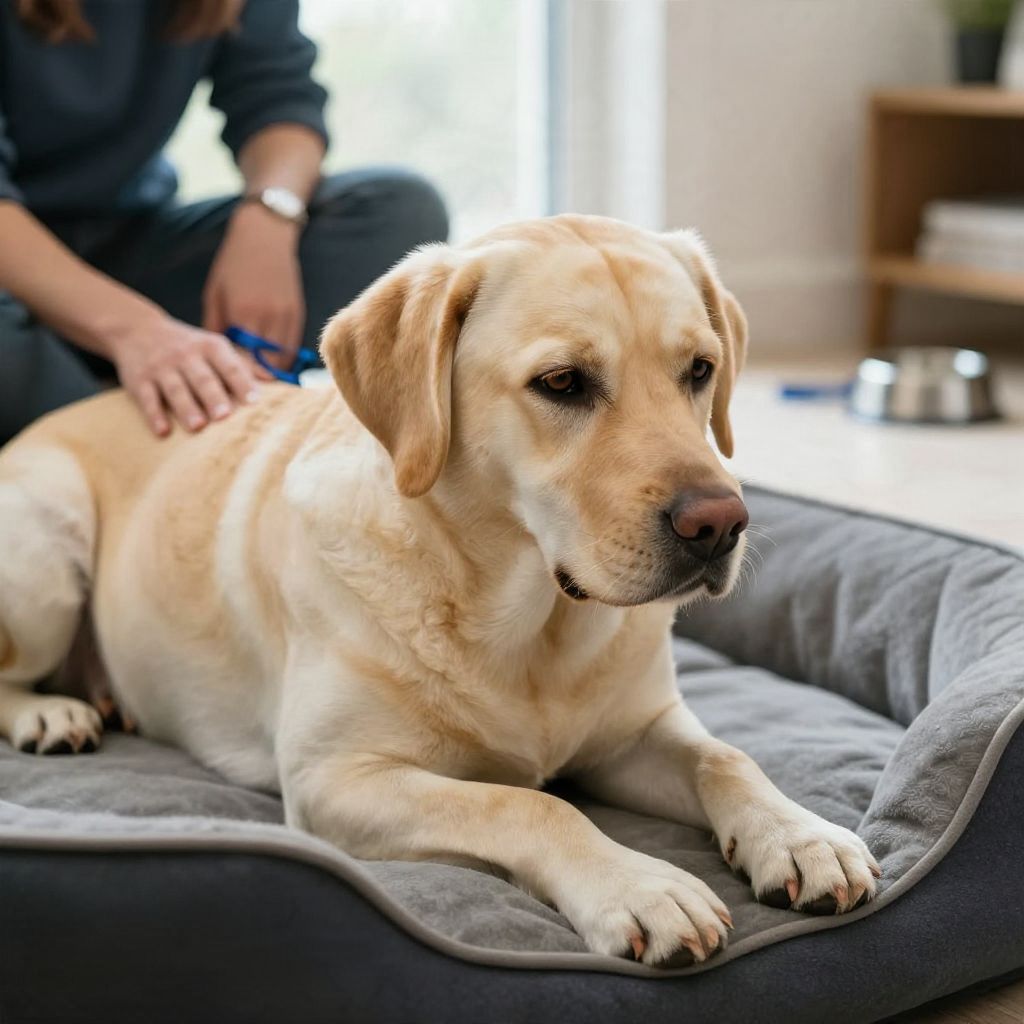
Can dogs get headaches? Yes, dogs can experience head pain or discomfort, but it can be hard to recognize because they cannot tell you what they feel. Head pain may come from eye, ear, dental, sinus, neck, or neurological problems rather than a simple “headache.”
If your dog seems suddenly sensitive to touch, quiet, withdrawn, or unusually restless, take it seriously. Some causes are minor, but others need prompt veterinary attention, especially if symptoms are severe, sudden, or paired with vomiting, weakness, or trouble walking.
Can dogs get headaches?
Dogs can have headache-like pain, but it is usually not diagnosed as a simple headache the way it is in people. Instead, veterinarians look for an underlying cause such as ear infection, dental disease, eye pressure changes, trauma, sinus problems, or a neurological issue.
What a headache may look like in a dog
Because dogs cannot describe pain, you have to watch for changes in behavior and body language. Signs can be subtle and may overlap with many other conditions.
Possible signs of head pain
- Hiding, clinginess, or unusual withdrawal
- Reluctance to be touched around the head, ears, or neck
- Pawing at the face or rubbing the head on furniture
- Lower energy or seeming “off”
- Squinting, tearing, or light sensitivity
- Head tilt or holding the head oddly
- Reduced appetite, especially if chewing hurts
- Whining, restlessness, or trouble settling
These signs do not confirm a headache. They can also point to dental pain, ear infection, eye disease, injury, or other illnesses that need a veterinarian’s exam.
Common causes of headache-like pain in dogs
There is no single cause. The source of pain depends on your dog’s age, health history, and symptoms, and it can vary widely from one dog to another.
Ear problems
Ear infections, inflammation, foreign material, or ear mites can cause significant discomfort that may seem like head pain. Dogs may shake their heads, scratch at their ears, or avoid having the ears touched.
Dental and oral disease
Painful teeth, gum disease, broken teeth, or oral abscesses can make a dog seem head-sensitive. Some dogs eat less, chew on one side, drool, or drop food.
Eye disease
Eye pressure problems, corneal injury, or inflammation can cause squinting, tearing, and head sensitivity. Eye pain can be urgent, especially if the eye looks cloudy, red, or enlarged.
Neck or head injury
A bump, fall, rough play, or car accident can lead to pain that looks like a headache. Even if your dog seems mostly normal, head or neck trauma should be taken seriously if symptoms appear afterward.
Sinus or upper airway issues
Nasal congestion, sinus inflammation, or infections can create facial pressure and discomfort. If your dog has sneezing, discharge, or noisy breathing, the problem may be more than a simple headache.
Neurological conditions
Less commonly, head pain can be linked to seizures, inflammation, blood pressure problems, or other brain and nerve disorders. These conditions need veterinary evaluation and should not be guessed at home.
When you should call a veterinarian
Contact your veterinarian if your dog has repeated signs of head pain, seems uncomfortable for more than a short time, or has any new behavior change that concerns you. Early evaluation is especially important when the cause is not obvious.
Go to urgent veterinary care now if you notice:
- Sudden collapse, disorientation, or severe weakness
- Seizures
- Repeated vomiting
- Loss of balance, circling, or trouble walking
- Severe head tilt or rapid eye movements
- Swelling of the face, head, or around the eyes
- Eye cloudiness, a very red eye, or a suddenly painful eye
- Recent trauma to the head or neck
- Extreme lethargy or inability to get comfortable
Do not wait for these signs to “pass.” They can indicate a serious problem that needs prompt diagnosis.
What you can do at home while waiting for the vet
Safe home care is supportive, not a substitute for diagnosis. Your goal is to keep your dog calm and avoid making the problem worse.
- Limit activity. Keep your dog quiet and avoid rough play, jumping, or long walks.
- Observe closely. Note when symptoms started, what they look like, and whether they are getting better or worse.
- Check for obvious issues. Look for discharge, swelling, limping, a broken tooth, or signs of injury if your dog allows gentle handling.
- Offer water. Encourage drinking, but do not force it.
- Keep the environment calm. Reduce noise, bright light, and stressful activity.
Do not give human pain relievers unless your veterinarian specifically instructs you to do so. Many common medications for people are unsafe for dogs.
What not to do
When you suspect head pain, some common well-meaning actions can be harmful.
- Do not give ibuprofen, acetaminophen, aspirin, or other human medicines without veterinary guidance.
- Do not put drops into the ears or eyes unless a veterinarian has told you to use them.
- Do not force food if chewing seems painful.
- Do not ignore repeated head shaking, squinting, or head pressing.
- Do not assume a dog is “just being dramatic” if the behavior is new.
How veterinarians figure out the cause
A vet will usually start with a physical exam and questions about when the symptoms began, what changed, and whether your dog has had trauma, dental issues, ear problems, or exposure to anything unusual.
Depending on the signs, the vet may recommend:
- Ear examination and ear cytology
- Oral and dental exam
- Eye pressure check or eye stain test
- Neurological exam
- Bloodwork or other lab tests
- Imaging such as X-rays, CT, or MRI in some cases
The exact workup depends on your dog’s age, symptoms, and overall condition. A young dog with an ear infection may need a very different approach than a senior dog with neurological signs.
Are some dogs more likely to have headache-like pain?
Any dog can develop head pain, but risk can vary with anatomy, age, and medical history. For example, dogs with chronic ear disease, dental disease, allergies, eye problems, or a history of trauma may be more likely to show these signs.
Breed tendencies can matter, but they are not guarantees. Some dogs may be more prone to certain eye, ear, or breathing issues, while others may be less affected; your individual dog’s health history matters more than breed alone.
Can puppies get headaches?
Puppies can have pain that looks like head discomfort, but the causes may differ from those in adult dogs. Ear infections, injuries during play, foreign bodies, teething discomfort, and infectious illness can all make a puppy seem unwell.
Because puppies can decline quickly, call your vet sooner rather than later if a puppy is lethargic, not eating, vomiting, off balance, or unusually sensitive around the head.
Can senior dogs get headaches?
Older dogs may be more likely to have dental disease, chronic ear problems, eye disease, arthritis in the neck, or other conditions that can cause head sensitivity. Senior dogs also deserve prompt evaluation for any new behavior change.
If an older dog suddenly becomes withdrawn, confused, or painful, do not assume it is “just aging.” New symptoms should be checked by a veterinarian.
How to help prevent headache-like problems
You cannot prevent every cause, but good routine care lowers the risk of many common triggers.
- Schedule regular veterinary checkups
- Keep up with dental care recommended by your vet
- Monitor ears for odor, redness, discharge, or repeated scratching
- Protect your dog from head and neck injuries
- Address eye redness, squinting, or discharge quickly
- Use parasite prevention as advised for your area and dog
Staying alert to small changes is one of the best ways to catch pain early, before it becomes severe.
The bottom line
Yes, dogs can get headache-like pain, but it is usually a sign of an underlying problem rather than a standalone diagnosis. If your dog shows head sensitivity, squinting, withdrawal, balance problems, or sudden behavior changes, contact your veterinarian promptly.
If you want to learn more about related illness signs, you may also find these helpful: can dogs catch a cold? and can dogs get strep throat?