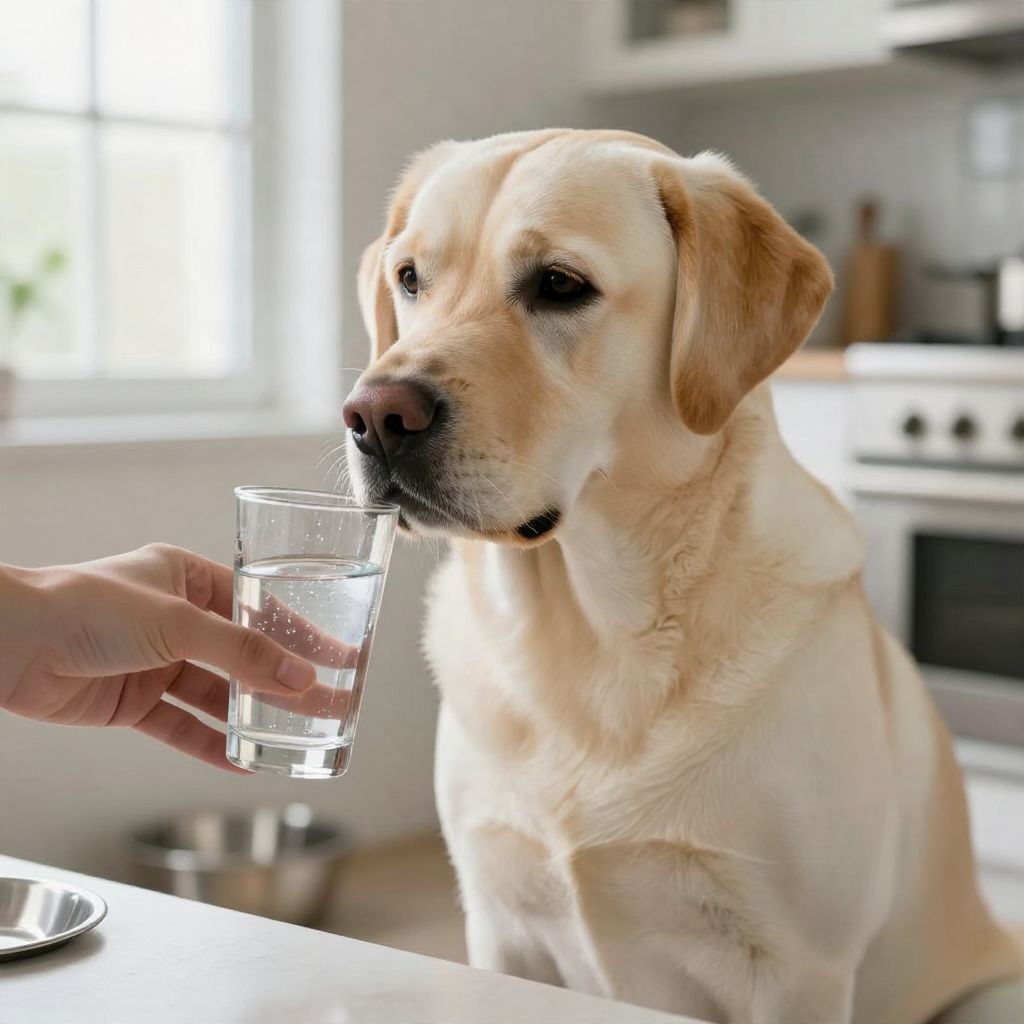
Can dogs have sparkling water? In many cases, plain sparkling water is not toxic to dogs, but it is usually better offered only in small amounts and only if your dog tolerates it well.
The main concerns are carbonation, added flavorings, sweeteners, and whether your dog has a sensitive stomach or a medical condition that makes carbonated drinks a poor choice.
Can dogs have sparkling water?
Yes, dogs can usually have a small amount of plain, unflavored sparkling water, but it is not an ideal everyday drink. The bubbles may cause gas, bloating, or stomach upset in some dogs, and flavored or sweetened sparkling waters can be unsafe. Fresh, still water is the best choice.
What makes sparkling water different from regular water?
Sparkling water is water with dissolved carbon dioxide, which creates carbonation. That fizz is the main issue for dogs, not the water itself.
For many dogs, a few sips are harmless. For others, especially dogs with sensitive digestion, the carbonation can lead to discomfort.
Plain sparkling water vs. flavored sparkling water
- Plain sparkling water: Usually the safest version if your dog accidentally drinks a little.
- Flavored sparkling water: Riskier because it may contain acids, natural flavors, caffeine, citrus, or other additives.
- Sweetened sparkling water: Avoid it, especially if it contains xylitol or other sugar substitutes.
- Energy or soda-style sparkling drinks: Not appropriate for dogs.
Is sparkling water safe for dogs in small amounts?
For a healthy dog, a small accidental taste of plain sparkling water is usually not an emergency. The key is moderation and watching for digestive upset afterward.
If your dog seems uncomfortable, stop offering it and switch back to regular water.
When a little sparkling water is more likely to be okay
- Your dog is healthy and has no history of bloating or vomiting.
- The drink is plain and unsweetened.
- Your dog only had a few laps, not a full bowl.
- You are not using it as a regular replacement for water.
When to avoid it
- Your dog has a sensitive stomach or frequent gas.
- Your dog is prone to vomiting or diarrhea.
- Your dog has a history of bloat or abdominal swelling.
- The sparkling water contains flavorings, sweeteners, or caffeine.
Risks of giving dogs sparkling water
Most concerns come from the carbonation and from ingredients added to flavored drinks. Even plain sparkling water can be a problem for some dogs if it causes gas or makes them drink too quickly.
1. Gas and bloating
Carbonation can increase gas in the stomach and intestines. Some dogs simply burp or pass gas, while others become visibly uncomfortable.
In dogs that are prone to abdominal distention, any drink that adds gas is a poor choice.
2. Stomach upset
Some dogs may vomit or have loose stool after drinking sparkling water, especially if they gulp it quickly or drink a large amount.
3. Added ingredients
Many flavored sparkling waters include ingredients that are not ideal for dogs. Read the label carefully before sharing any human drink.
- Xylitol: Highly dangerous for dogs.
- Caffeine: Unsafe and can be toxic.
- Artificial sweeteners: Best avoided unless a veterinarian specifically says otherwise.
- Citrus oils or acids: Can irritate the stomach.
- High sodium: Not helpful for dogs and may be a concern for some health conditions.
4. Drinking too fast
Some dogs gulp sparkling water because they are curious about the fizz. Fast drinking can worsen stomach upset and may contribute to discomfort.
Can puppies have sparkling water?
Puppies are more sensitive than adult dogs because their digestive systems are still developing. It is usually best to keep puppies on fresh, still water unless your veterinarian advises otherwise.
Because puppies can dehydrate quickly if they vomit or have diarrhea, it is better not to experiment with sparkling water.
Can senior dogs have sparkling water?
Older dogs may be more likely to have digestive sensitivity, kidney disease, heart disease, or other conditions that make sparkling water a less suitable choice. If your senior dog has any medical issues, ask your veterinarian before offering it.
Even if your older dog likes the taste, plain water is still the safest everyday option.
What about dogs with health conditions?
Some dogs should not have sparkling water at all, or should only have it if a veterinarian says it is okay. This is especially true if your dog has a history of stomach problems or abdominal swelling.
- Dogs with a history of bloat: Avoid carbonated drinks.
- Dogs with pancreatitis or recurring vomiting: Ask your vet first.
- Dogs with sensitive digestion: Sparkling water may trigger gas or diarrhea.
- Dogs on special diets: Check with your veterinarian before offering anything outside the diet plan.
How to offer sparkling water safely, if you choose to
If you decide to let your dog try plain sparkling water, keep it simple and small. Think of it as a rare taste, not a treat or hydration strategy.
- Choose plain, unflavored, unsweetened sparkling water.
- Offer only a small amount in a clean bowl.
- Watch your dog for gas, burping, drooling, or discomfort.
- Stop if your dog seems to gulp it or gets excited and drinks too fast.
- Return to regular fresh water for normal hydration.
Better ways to encourage hydration
If your dog is not drinking enough, sparkling water is not the best fix. Instead, try practical, dog-safe hydration habits.
- Refresh the water bowl regularly.
- Use a clean bowl that does not hold odors.
- Offer water in several locations if appropriate.
- Ask your veterinarian about safe options if your dog is ill or recovering.
Signs your dog did not tolerate sparkling water well
Mild stomach upset may pass on its own, but you should watch closely after your dog drinks sparkling water. Some signs are more concerning than others.
Common mild signs
- Burping
- Passing gas
- Mild stomach gurgling
- Temporary reluctance to eat
Red flags that need veterinary advice
- Repeated vomiting
- Diarrhea that is severe or ongoing
- Marked lethargy
- Abdominal swelling or a hard belly
- Restlessness, pacing, or signs of pain
- Retching without producing vomit
- Collapse or trouble breathing
Seek urgent veterinary care immediately if your dog has a swollen abdomen, repeated unproductive retching, collapse, or severe distress. Those signs can indicate a serious emergency, not just gas.
Common mistakes to avoid
Most problems happen when sparkling water is treated like a normal dog drink or when the label is not checked carefully.
- Giving flavored sparkling water without reading the ingredients.
- Using sparkling water to replace fresh water.
- Letting a dog drink a large amount quickly.
- Assuming “natural” flavored water is automatically safe.
- Offering carbonated drinks to a dog with digestive or abdominal health issues.
Plain water is still the best choice
Dogs do not need sparkling water, and they do not benefit from carbonation. Fresh still water supports normal hydration without the extra risk of gas or stomach upset.
If your dog seems bored with water, the solution is usually a cleaner bowl, fresher water, or a vet-approved hydration plan rather than carbonated drinks.
When to call your veterinarian
Contact your veterinarian if your dog has repeated stomach upset after drinking sparkling water, if you are unsure whether a flavored drink was safe, or if your dog has an underlying health condition.
You should also call right away if the drink contained anything suspicious, such as xylitol, caffeine, or another ingredient that could be harmful.
Bottom line
Can dogs have sparkling water? Usually yes, in very small amounts if it is plain and unsweetened, but it is not the best drink for dogs. Because carbonation and additives can cause problems, fresh still water is the safest everyday choice.
If you want more dog safety reading, you may also find it helpful to learn about whether dogs can drink beer and whether dogs can have lemon juice.