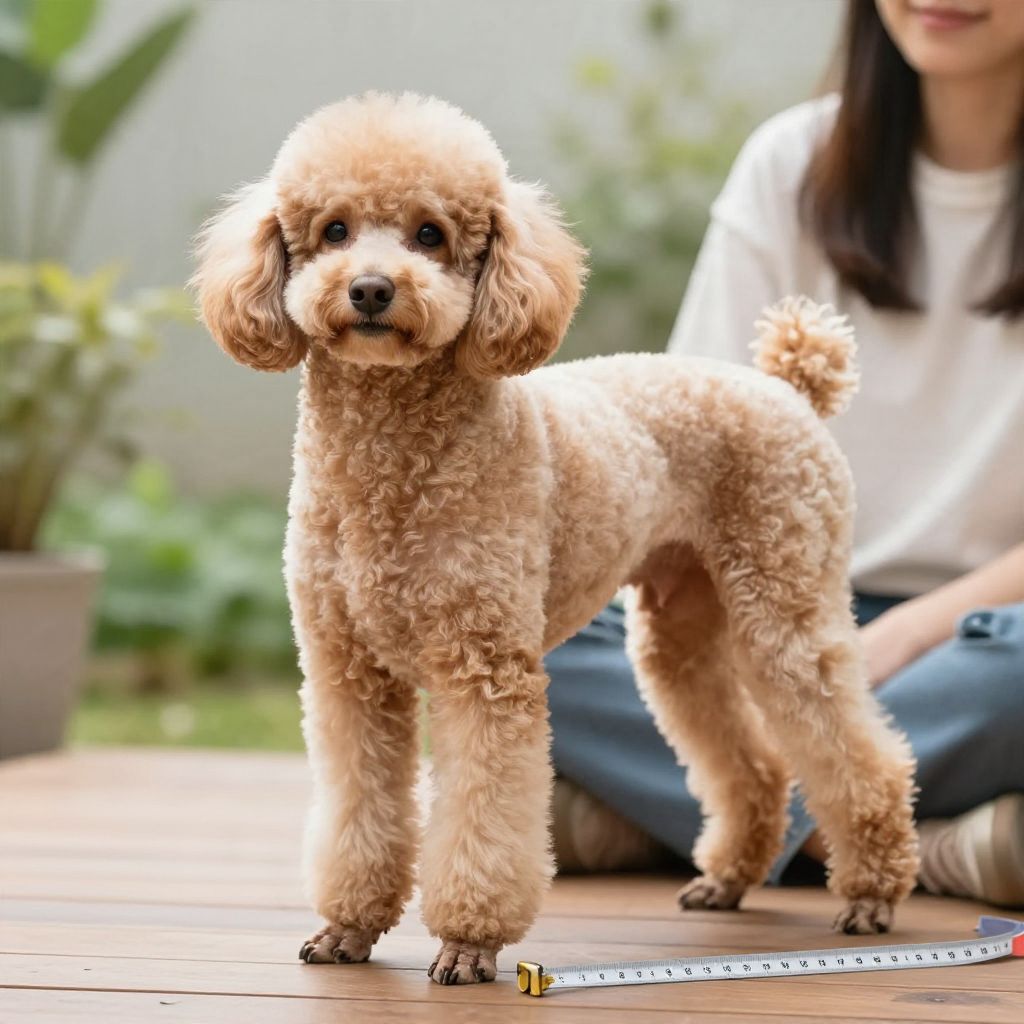
How big do Toy Poodles get? If you’re considering this breed, size is one of the first things to understand because Toy Poodles stay very small as adults. Their compact build affects everything from feeding and exercise to grooming, handling, and home safety.
Even though they are tiny, Toy Poodles are intelligent, active dogs that need consistent care. Knowing their typical adult size helps you choose the right supplies, plan training, and spot when a puppy is growing normally or may need a vet check.
How big do Toy Poodles get?
Adult Toy Poodles are usually about 10 inches tall at the shoulder or under and typically weigh around 4 to 6 pounds, though some individuals may be a little smaller or larger. Size can vary by genetics, sex, nutrition, and overall health, so your dog may fall slightly outside the average.
What affects Toy Poodle size?
Not every Toy Poodle grows to exactly the same size. A puppy’s adult size is influenced by inherited traits, growth rate, diet, and whether the dog stays healthy during development.
- Genetics: The parents are the best clue to expected adult size.
- Age: Toy Poodles usually reach adult height before they finish filling out.
- Nutrition: Balanced feeding supports normal growth, but overfeeding does not create a healthier or larger dog.
- Health: Illness, parasites, or hormonal problems can affect growth.
- Sex and body build: Some dogs are naturally more delicate or slightly sturdier than others.
If your puppy seems unusually small, struggles to gain weight, or is growing much faster or slower than expected, ask your veterinarian to evaluate overall health rather than guessing based on breed alone.
How Toy Poodles compare with Miniature and Standard Poodles
Understanding the poodle size categories can help you avoid confusion. Toy Poodles are the smallest variety, while Miniature and Standard Poodles are progressively larger.
- Toy Poodle: Very small companion dog, usually 10 inches tall or less.
- Miniature Poodle: Larger than a Toy, but still compact.
- Standard Poodle: Much taller and heavier, built for a very different size range.
Because the breed comes in different sizes, always confirm whether a breeder or rescue is describing a Toy, Miniature, or Standard Poodle before you assume adult measurements.
When do Toy Poodles stop growing?
Toy Poodles usually reach their adult height relatively early, often within the first several months of life, but they may continue to gain muscle and body condition for a while after that. Growth patterns vary, so a veterinarian can help you judge whether development is on track.
Signs your Toy Poodle is still maturing
- Legs and body look slightly out of proportion during puppyhood
- Appetite and energy needs change as growth slows
- Body shape becomes more refined as the puppy matures
Do not rely only on weight charts. A healthy Toy Poodle should look lean but not bony, and you should be able to feel the ribs without pressing hard.
Temperament: what Toy Poodles are often like
Toy Poodles are commonly described as bright, alert, and people-oriented, but individual personality matters more than breed labels. Some are outgoing and confident, while others are shy, sensitive, or more reserved.
Because they are small and intelligent, Toy Poodles often benefit from gentle, reward-based training and regular mental enrichment. They can become frustrated or anxious if they are under-stimulated, handled roughly, or left without enough social contact.
Common training priorities
- House training with patience and consistency
- Early handling practice for grooming and vet visits
- Basic cues such as come, stay, and settle
- Positive socialization with people, dogs, and everyday sounds
Small dogs still need training. Without it, barking, guarding, fearfulness, and difficulty being handled can become more likely, especially if the dog has had limited early socialization.
Care needs that matter because of their small size
Knowing how big Toy Poodles get is useful because their tiny size changes daily care. They can be more vulnerable to injury, cold, and accidental falls than larger dogs, so their environment should be set up with safety in mind.
Home safety tips
- Use ramps or steps if your dog jumps on and off furniture often.
- Supervise around larger dogs and young children.
- Keep small objects, cords, and toxic items out of reach.
- Be careful with doors, chairs, and carrying your dog to avoid falls.
Because Toy Poodles are so light, even a short fall can cause injury. If your dog limps, cries out, avoids jumping, or seems painful after a tumble, contact your vet promptly.
Feeding a Toy Poodle at the right size
Small dogs need carefully measured meals because even small changes in food intake can affect body condition. The best diet is a complete and balanced dog food appropriate for your dog’s life stage.
Feeding basics
- Choose a quality food formulated for puppies, adults, or seniors as appropriate.
- Measure portions rather than free-feeding all day.
- Monitor body condition, not just the scale.
- Adjust food with veterinary guidance if your dog gains or loses weight.
Toy Poodles can be prone to becoming underweight or overweight if feeding is inconsistent. If you are unsure whether your dog is too thin or too heavy, your veterinarian can assess body condition and recommend a plan.
Exercise and enrichment for a tiny but active dog
Although Toy Poodles are small, they still need daily activity. Their exercise should match their size and fitness level rather than assuming a tiny dog needs very little movement.
- Short walks
- Indoor play sessions
- Training games
- Food puzzles or scent games
Keep exercise safe and age-appropriate. Puppies should not be overworked, and older dogs may need gentler activity if they have joint or heart issues.
Grooming and coat care
Toy Poodles have a coat that needs regular maintenance to stay clean and comfortable. Their hair can mat if it is not brushed and trimmed consistently, especially around the ears, legs, and tail.
Grooming routine to expect
- Frequent brushing to prevent tangles
- Regular bathing as needed
- Professional or careful at-home trims
- Ear checks and nail care
Because they are small, grooming sessions should be calm and gentle. Start handling early so your dog learns to tolerate brushing, paw touching, and face care without stress.
Common health concerns to watch for
Any dog can develop health problems, and small breeds may have some issues more often than larger dogs. A Toy Poodle’s size does not guarantee illness, but it does make certain concerns worth watching closely.
Call your veterinarian if you notice:
- Weight loss or poor appetite
- Vomiting or diarrhea that does not quickly resolve
- Coughing, fainting, or unusual fatigue
- Limping or signs of pain
- Shaking, collapse, or trouble breathing
Seek urgent veterinary care for breathing difficulty, collapse, repeated vomiting, seizures, severe lethargy, or signs of pain after an injury. Do not wait if your dog seems unstable or rapidly worsening.
How to tell if your Toy Poodle is a healthy size
Healthy size is about more than a number on the scale. A Toy Poodle should look proportionate, move comfortably, and maintain steady energy for age and health status.
Healthy body condition signs
- Ribs are easy to feel but not sharply visible
- Waist is visible from above
- Tummy tucks up slightly from the side
- Movement looks easy and balanced
If your dog seems too thin, too round, or suddenly changes shape, schedule a veterinary visit. Sudden weight change can signal a medical issue, not just a feeding problem.
Choosing a Toy Poodle puppy or adult dog
If size is important to you, ask direct questions before bringing a Toy Poodle home. Reputable breeders and rescues should be able to explain the dog’s current size, expected adult size, and any known health history.
- Ask about the parents’ size and temperament.
- Request information about veterinary care and vaccinations.
- Observe how the puppy moves, eats, and interacts.
- Make sure the dog’s size fits your home, travel plans, and handling ability.
Very small dogs can be wonderful companions, but they are not always the best match for homes with rough handling, very young children, or lots of unprotected stairs.
Conclusion
So, how big do Toy Poodles get? Most stay under 10 inches tall and around 4 to 6 pounds as adults, though individual variation is normal. Focus on healthy growth, safe handling, proper grooming, and positive training so your small dog can thrive at any age.
If you want to learn more about related poodle care topics, you may also find how long poodles live helpful for planning long-term care.