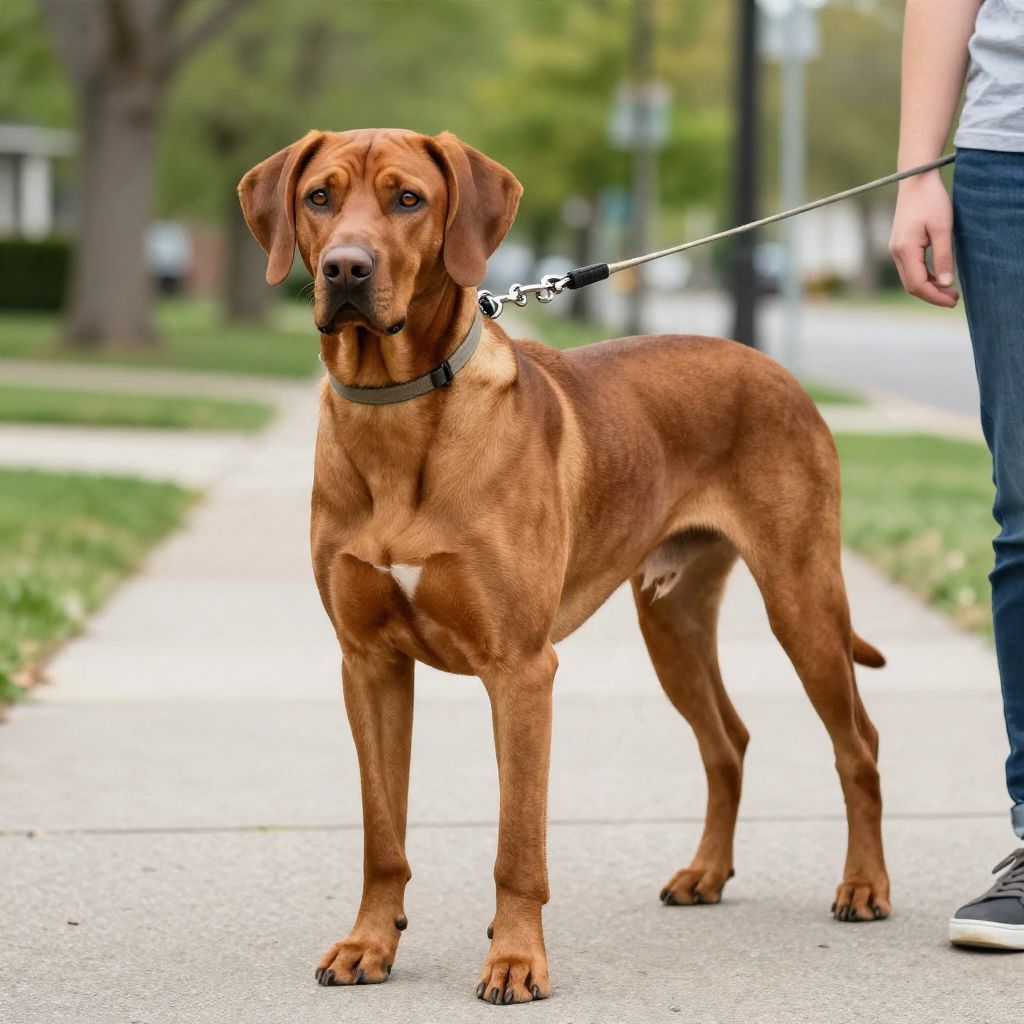
If you’re asking “what dog starts with R,” you’re probably looking for dog breeds whose names begin with that letter. Common examples include Rottweiler, Rhodesian Ridgeback, Rat Terrier, Redbone Coonhound, and Russian Toy.
If you’re choosing a breed, the best fit depends on your lifestyle, experience, and the dog’s individual temperament. Breed can suggest general traits, but training, socialization, health, and daily care matter just as much.
What dog starts with R?
Several dog breeds start with R, including Rottweiler, Rhodesian Ridgeback, Rat Terrier, Redbone Coonhound, and Russian Toy. Each breed has typical tendencies, but no breed is guaranteed to act a certain way. Look at size, energy level, grooming needs, and temperament before choosing one.
Popular dog breeds that start with R
Here are some well-known breeds that begin with R and what owners often consider about them.
Rottweiler
Rottweilers are often described as confident, loyal, and protective. They usually do best with early socialization, consistent training, and clear routines. Their size and strength mean good leash manners and impulse control are especially important.
Rhodesian Ridgeback
Rhodesian Ridgebacks are athletic dogs with strong exercise needs. Many are independent thinkers, so patient, reward-based training and secure outdoor management matter. They may be a better match for active homes that can provide structure and daily activity.
Rat Terrier
Rat Terriers are typically energetic, alert, and quick to learn. They often enjoy games, training, and active play. Because many have a strong prey drive, recall training and safe fencing are important.
Redbone Coonhound
Redbone Coonhounds are scent-driven dogs that often enjoy long walks, tracking games, and opportunities to use their nose. They may be vocal and can become bored without enough exercise and enrichment.
Russian Toy
The Russian Toy is a small companion breed that may suit people looking for a tiny dog with a lively personality. Small size does not mean low care needs, though; these dogs still need training, socialization, and gentle handling.
How to choose the right R breed for your home
When you’re deciding which dog that starts with R fits you best, focus on daily life rather than appearance alone. A breed that looks appealing may still be a poor match if its exercise needs, grooming demands, or training style do not fit your routine.
- Activity level: Some R breeds need vigorous exercise, while others are content with moderate daily activity.
- Space: Large, active dogs usually need more room and management than small companion breeds.
- Training experience: Independent or strong-willed dogs may need a more experienced owner.
- Family fit: Consider children, other pets, and household noise or schedule.
- Grooming: Coat type and shedding vary widely by breed.
- Health screening: Ask about common breed-related health concerns and veterinary records.
Care tips for dogs that start with R
While every dog is an individual, many breed-related care basics apply across the board. Good care helps any dog thrive, whether you have a puppy, adult, or senior.
Training and socialization
Start early with positive reinforcement, short sessions, and clear rules. Reward the behaviors you want, such as sitting calmly, walking beside you, and coming when called.
- Expose puppies gradually to different people, dogs, sounds, surfaces, and environments.
- Keep experiences positive and not overwhelming.
- Practice handling for grooming, nail trims, and vet visits.
- Use management tools like gates, leashes, and crates when needed for safety.
If your dog shows fear, reactivity, or aggression, work with a certified trainer or veterinary behaviorist. Avoid punishment-based methods, which can increase stress and worsen behavior.
Exercise and enrichment
Many breeds that start with R are active and need more than a quick potty break. Daily walks, sniffing time, training games, puzzle feeders, and safe play can help prevent boredom and problem behaviors.
- Match exercise to age and health status.
- Build up activity gradually in puppies and less-conditioned adults.
- Use mental work as well as physical activity.
- Watch for signs of overexertion such as heavy panting, lagging, or stiffness.
Nutrition
Your dog’s food should be complete and balanced for their life stage. Breed alone should not determine diet, but body size, activity level, and medical needs may affect portions and feeding schedule.
- Measure meals instead of free-feeding if weight gain is a concern.
- Choose a diet appropriate for puppy, adult, or senior life stage.
- Use treats sparingly, especially during training.
- Ask your veterinarian before changing diets for skin, stomach, or joint concerns.
Grooming
Grooming needs vary a lot among R breeds. Short-coated dogs may need basic brushing and nail care, while other coats may need more frequent brushing or professional grooming.
- Brush regularly to reduce shedding and check skin condition.
- Trim nails before they become painful or affect gait.
- Clean ears only as directed by your veterinarian or groomer.
- Brush teeth consistently to support dental health.
Health considerations to keep in mind
Different breeds can have different health risks, but no dog is destined to develop a particular problem. Responsible breeders, routine veterinary care, and healthy weight management can all help reduce risk and catch issues early.
Ask about screening for common concerns in the breed you’re considering. Depending on the dog, this may include heart, joint, eye, or thyroid evaluation, but the right tests vary by breed and individual history.
When to call a vet urgently
Seek urgent veterinary care if your dog has any of the following:
- Difficulty breathing
- Collapse or inability to stand
- Repeated vomiting or vomiting with lethargy
- Bloated, painful abdomen
- Seizures
- Sudden weakness, limping, or severe pain
- Possible poisoning or ingestion of a dangerous object
- Bleeding that does not stop quickly
Do not wait if your dog seems severely ill, disoriented, or in obvious distress. A veterinarian can determine whether the issue is mild, serious, or an emergency.
Common mistakes when choosing a dog that starts with R
People sometimes choose a breed based on looks or popularity and then struggle with mismatched expectations. Avoid these common mistakes so you can make a better long-term choice.
- Assuming all dogs of a breed behave the same way.
- Underestimating exercise and training needs.
- Ignoring size, strength, or prey drive.
- Skipping socialization during the puppy stage.
- Choosing a dog without planning for grooming or veterinary costs.
- Expecting a puppy to “grow out of” behavior without training.
If you already have an R breed puppy
Puppies need structure, patience, and frequent positive practice. The earlier you teach good habits, the easier it is to manage adult behavior later.
- Start house training immediately with a consistent schedule.
- Teach name recognition, sit, come, and loose-leash walking.
- Prevent rehearsal of unwanted behaviors by supervising closely.
- Introduce handling, grooming, and car rides in small, positive steps.
- Schedule a veterinary visit for vaccination guidance, parasite prevention, and growth monitoring.
Final takeaway
So, what dog starts with R? Many breeds do, including Rottweiler, Rhodesian Ridgeback, Rat Terrier, Redbone Coonhound, and Russian Toy. The best choice is the one whose temperament, exercise needs, and care requirements match your home and experience. If you want to compare breeds in more detail, you may also find how long Rottweilers live helpful.