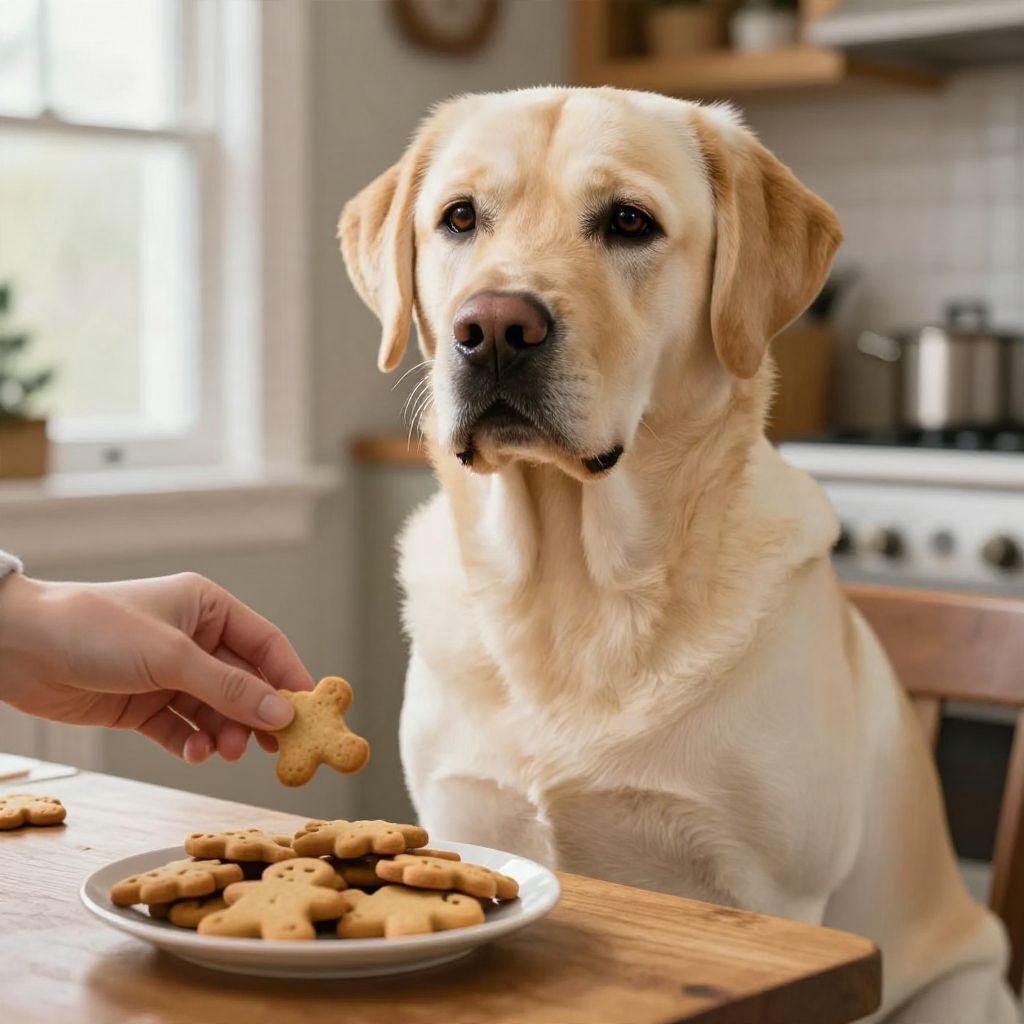
If you’re wondering, can dogs have gingerbread, the safest answer is usually no. Gingerbread often contains sugar, butter, nutmeg, cloves, and sometimes xylitol or raisins, all of which can be risky for dogs.
A tiny accidental crumb may not cause problems for every dog, but gingerbread is not a good treat for regular feeding. What matters most is the ingredients, the amount eaten, and whether your dog has any symptoms afterward.
Can Dogs Have Gingerbread?
Dogs should not eat gingerbread as a treat. Plain ginger itself is usually not the main concern; the problem is that gingerbread commonly includes sugar, fat, spices, and sometimes toxic add-ins like xylitol, raisins, or chocolate. If your dog ate some, check the ingredients and watch closely for symptoms.
Why Gingerbread Can Be Unsafe for Dogs
Gingerbread is a human dessert, not a dog-safe snack. Even when it seems harmless, the recipe often includes ingredients that can upset your dog’s stomach or cause more serious illness.
Common gingerbread ingredients that may cause trouble
- Sugar: Can contribute to stomach upset and is not healthy as a routine treat.
- Butter or oil: High fat can trigger vomiting, diarrhea, or pancreatitis in some dogs.
- Nutmeg: Can be dangerous in larger amounts and is not a safe seasoning for dogs.
- Cloves and other spices: May irritate the digestive tract.
- Xylitol: A highly dangerous sweetener for dogs, even in small amounts.
- Raisins or currants: Can be toxic to dogs and should be treated seriously.
- Chocolate or icing decorations: May add extra toxicity or sugar/fat.
Why individual dogs may react differently
Not every dog will respond the same way. A small dog may be affected by a smaller amount than a larger dog, and puppies, senior dogs, and dogs with sensitive stomachs, diabetes, pancreatitis history, or other health issues may be at higher risk.
What If Your Dog Ate Gingerbread?
First, stay calm and remove any remaining gingerbread. Then identify what was in it, how much your dog ate, and when it happened. That information helps you decide whether to call your veterinarian or an emergency clinic.
- Check the ingredient list if you have it.
- Look for xylitol, raisins, currants, chocolate, macadamia nuts, or alcohol-based flavorings.
- Estimate how much your dog ate, including crumbs or frosting.
- Watch for vomiting, diarrhea, drooling, lethargy, agitation, or loss of appetite.
- Call your veterinarian promptly if the recipe contained a risky ingredient or your dog seems unwell.
When to seek urgent veterinary help
Do not wait if your dog may have eaten gingerbread containing xylitol, raisins, chocolate, or a large amount of nutmeg. Seek urgent veterinary care right away if you notice collapse, tremors, seizures, severe weakness, repeated vomiting, trouble breathing, or a swollen abdomen.
Signs Your Dog May Be Having a Reaction
Mild stomach upset can happen after a rich or spicy food, but some signs point to a more serious problem. Symptoms may begin soon after eating or develop over several hours, depending on the ingredient involved.
- Vomiting
- Diarrhea
- Excessive drooling
- Restlessness or unusual agitation
- Low energy or weakness
- Loss of appetite
- Abdominal pain or a tense belly
- Shaking, tremors, or seizures
If your dog has diabetes, a history of pancreatitis, or a sensitive digestive system, even a small amount of gingerbread may be enough to cause trouble. In those cases, it is smart to call your vet sooner rather than later.
Is Ginger Itself Safe for Dogs?
Ginger in small amounts is often considered safe for many dogs and is sometimes used in dog treats or home-cooked diets. But that does not make gingerbread safe, because the dessert includes other ingredients that can be harmful.
Plain ginger versus gingerbread
- Plain ginger: May be tolerated in small amounts by some dogs.
- Gingerbread: Usually contains sugar, fat, and spices that make it unsuitable.
Even with plain ginger, more is not better. Too much spice or any new food can upset your dog’s stomach, especially if your dog is small, young, older, or already prone to digestive issues.
What About Gingerbread Cookies, Cake, or Icing?
Different gingerbread-style desserts can carry different risks, but the general answer stays the same: they are not dog-friendly foods. Frosting, icing, fillings, and decorative toppings can add even more sugar, fat, or toxic ingredients.
Common holiday variations to avoid
- Gingerbread cookies with icing or sprinkles
- Gingerbread cake with rich frosting
- Gingerbread houses made with candy, chocolate, or gumdrops
- Store-bought versions with artificial sweeteners
Holiday foods are a common source of accidental dog exposure because they are left on counters, tables, and gift trays. Keep all baked goods out of reach and remind guests not to share dessert with your dog.
Safer Treat Alternatives for Dogs
If you want to include your dog in the holiday mood, choose treats made for dogs instead of human desserts. The goal is a safe, simple snack that fits your dog’s normal diet.
- Commercial dog treats with a short ingredient list
- Small pieces of plain cooked pumpkin
- Plain cooked sweet potato
- Small bits of plain cooked meat with no seasoning
- Dog-safe frozen treats approved by your veterinarian if your dog has special dietary needs
Introduce any new treat slowly and keep portions small. Treats should remain a minor part of your dog’s daily calories, especially for dogs who are overweight or have medical conditions.
How to Prevent Accidental Gingerbread Exposure
Prevention is the easiest way to avoid a stressful vet call. Gingerbread often shows up during holidays, celebrations, and baking sessions, when counters and tables are busy.
- Store baked goods in sealed containers or behind closed doors.
- Do not leave cooling trays unattended on counters.
- Keep trash cans secured so your dog cannot raid scraps.
- Tell children and guests not to share cookies or cake with your dog.
- Read labels on store-bought desserts for xylitol and other risky ingredients.
If your dog is food-motivated, training a reliable leave it cue and using management like baby gates or crate time can help during busy kitchen moments. Reward-based training is safer and more effective than punishment.
When to Call the Vet Even If Your Dog Seems Fine
Some ingredient exposures need professional advice even before symptoms appear. This is especially true if the gingerbread may have contained xylitol, raisins, chocolate, or a large amount of nutmeg.
Call your veterinarian or an emergency clinic if:
- You are not sure what ingredients were in the gingerbread
- Your dog ate a large amount
- Your dog is a puppy, toy breed, senior, or medically fragile
- Your dog has vomiting, diarrhea, or unusual behavior
- You suspect xylitol, raisins, chocolate, or another toxic ingredient
Do not try to make your dog vomit unless a veterinarian specifically tells you to do so. The safest next step depends on the ingredient, the amount, and how long ago it was eaten.
Bottom Line: Can Dogs Have Gingerbread?
Dogs should not eat gingerbread as a snack or treat. The dessert is usually too sugary, fatty, and spiced for dogs, and some recipes include dangerous ingredients like xylitol or raisins. If your dog ate gingerbread, check the ingredients and contact your vet when in doubt.
If you want more holiday food safety guidance, you may also find these helpful: can dogs eat cake and can dogs eat raw fish.