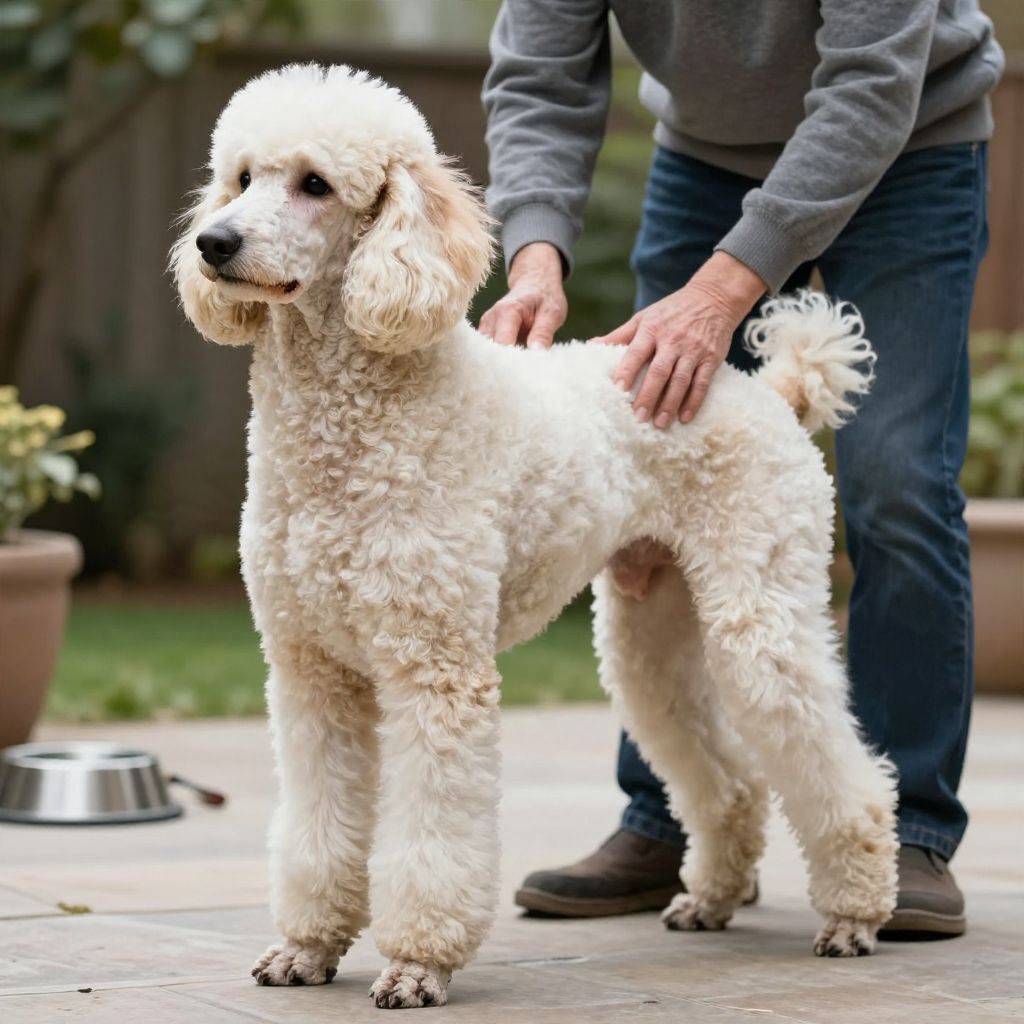
If you’re wondering how long Poodles live, the short answer is that many live into their teens with good care. Lifespan can vary by size, genetics, and overall health, so a Toy, Miniature, or Standard Poodle may not age at exactly the same pace.
Knowing what to expect at each life stage can help you support your Poodle early, spot problems sooner, and make better choices about food, exercise, grooming, and veterinary care.
How Long Do Poodles Live?
Poodles often live about 12 to 15 years, and some live longer with excellent care. Smaller Poodles usually tend to live longer than larger ones, but individual health, breeding, diet, activity, and preventive veterinary care all play a major role.
What Affects a Poodle’s Lifespan?
There is no single guaranteed lifespan for every Poodle. A dog’s age is influenced by a mix of genetics, body size, daily care, and medical history.
Size matters, but it is not the only factor
In general, smaller dogs often live longer than larger dogs. That means Toy and Miniature Poodles may commonly outlive Standard Poodles, but that is only a trend, not a promise.
Genetics and breeding quality
Responsible breeding can reduce the risk of some inherited problems, but no breeder can eliminate all health risks. A well-bred Poodle may still develop age-related disease, and a rescue dog with unknown background may still live a long, healthy life.
Weight and body condition
Keeping your Poodle lean can support joint health, mobility, heart health, and overall longevity. Extra weight may seem minor, but over time it can place more strain on the body.
Preventive veterinary care
Routine checkups, dental care, parasite prevention, and early treatment of illness can make a real difference. Many age-related problems are easier to manage when caught early.
Poodle Life Expectancy by Life Stage
Rather than focusing only on the final number, it helps to think about what your Poodle may need at each stage of life.
Puppy to young adult
Young Poodles usually need socialization, training, safe exercise, and regular vet visits for vaccines and parasite prevention. Good habits formed early can support health later in life.
Adult years
Adult Poodles often do best with steady routines, balanced nutrition, regular grooming, and enough physical and mental activity. This is also the stage when subtle health changes may first appear.
Senior years
As Poodles age, they may slow down, sleep more, or need more support with mobility, vision, hearing, or dental health. Senior care should focus on comfort, early detection, and quality of life.
Common Health Concerns That Can Affect Longevity
Poodles can be prone to certain health issues, though not every dog will develop them. The exact risks vary by size, family history, and individual circumstances.
- Dental disease: Common in many dogs and can affect eating, comfort, and general health.
- Joint problems: Arthritis or other orthopedic issues may become more noticeable with age.
- Eye disease: Some Poodles may develop vision-related conditions as they get older.
- Endocrine disorders: Hormonal problems can affect energy, coat quality, weight, and metabolism.
- Skin and ear issues: Their coat and ears can make regular grooming and cleaning especially important.
If you notice repeated infections, unexplained weight loss, ongoing coughing, trouble breathing, limping, vomiting, diarrhea, or a sudden change in behavior, schedule a veterinary exam. These signs are not just “normal aging” and should not be ignored.
What You Can Do to Help Your Poodle Live Longer
You cannot control every health outcome, but you can improve the odds with consistent care.
Feed a complete, balanced diet
Choose a nutritionally complete dog food that matches your Poodle’s age and activity level. Avoid overfeeding, and ask your veterinarian if your dog needs help with weight management or a special diet.
Keep exercise regular and appropriate
Poodles usually benefit from daily activity, but the amount should fit your dog’s age and body condition. Combine walks, play, and low-impact enrichment so your dog stays fit without overdoing it.
Support the brain as well as the body
Training games, puzzle toys, scent work, and new experiences can help keep your Poodle mentally engaged. Mental enrichment is especially useful for active, intelligent dogs that may become bored easily.
Stay on top of grooming
Regular brushing, coat care, ear cleaning as recommended by your vet or groomer, and nail trims help prevent discomfort and skin problems. Grooming also gives you a chance to notice lumps, sore spots, or changes in the coat.
Protect dental health
Dental disease is common and often overlooked. Ask your veterinarian about home dental care and professional cleanings when appropriate.
How to Tell If Your Poodle Is Aging Normally
Some changes are expected as Poodles get older, but “normal aging” should still be monitored. Mild slowing down, a bit more stiffness after rest, or needing more sleep can happen gradually.
More concerning changes include sudden confusion, major appetite changes, accidents in the house after being reliable, persistent panting, or reluctance to jump, climb stairs, or go for walks. These can signal pain or illness.
Signs to discuss with your vet soon
- Decreased energy that lasts more than a few days
- New limping or stiffness
- Bad breath, drooling, or difficulty chewing
- Frequent ear scratching or head shaking
- Weight gain or weight loss without a clear reason
- Cloudy eyes, bumping into objects, or vision changes
When to Seek Urgent Veterinary Care
Some symptoms need immediate attention. Do not wait for them to improve on their own.
- Difficulty breathing
- Collapse, fainting, or inability to stand
- Seizures
- Repeated vomiting or inability to keep water down
- Bloated abdomen, retching, or obvious abdominal pain
- Sudden severe weakness
- Trauma, bleeding, or suspected poisoning
If your Poodle is a senior, urgent signs can sometimes appear more subtly. Trust your instincts if something seems seriously wrong.
What to Expect as Your Poodle Gets Older
Senior Poodles often do best with a little more structure and a little less strain. You may need to adjust walks, bedding, stairs, grooming routines, and feeding schedules to match changing comfort levels.
Helpful senior-care adjustments
- Use non-slip rugs or mats on slippery floors.
- Provide a supportive, easy-to-access bed.
- Break exercise into shorter, gentler sessions.
- Schedule regular vet visits, even if your dog seems fine.
- Watch for pain, confusion, and appetite changes.
Many older Poodles can still enjoy a good quality of life with the right support. The goal is not just a longer life, but a comfortable one.
Common Mistakes That Can Shorten a Poodle’s Healthy Years
Some problems are preventable, especially when owners wait too long to act.
- Skipping routine veterinary exams
- Ignoring dental disease
- Allowing steady weight gain
- Under-exercising or over-exercising the dog
- Not grooming often enough to catch skin or ear problems
- Assuming behavior changes are “just old age”
Early intervention is usually easier, safer, and more effective than waiting until a problem becomes severe.
Final Takeaway
So, how long do Poodles live? Many live 12 to 15 years, and some live longer with good genetics, preventive care, and a healthy lifestyle. Focus on weight control, regular vet visits, grooming, dental care, and age-appropriate activity to help your Poodle thrive for as long as possible.
If you want to compare lifespan expectations with other breeds, you may also find it helpful to read about how long Rottweilers live or how long Boxers live.