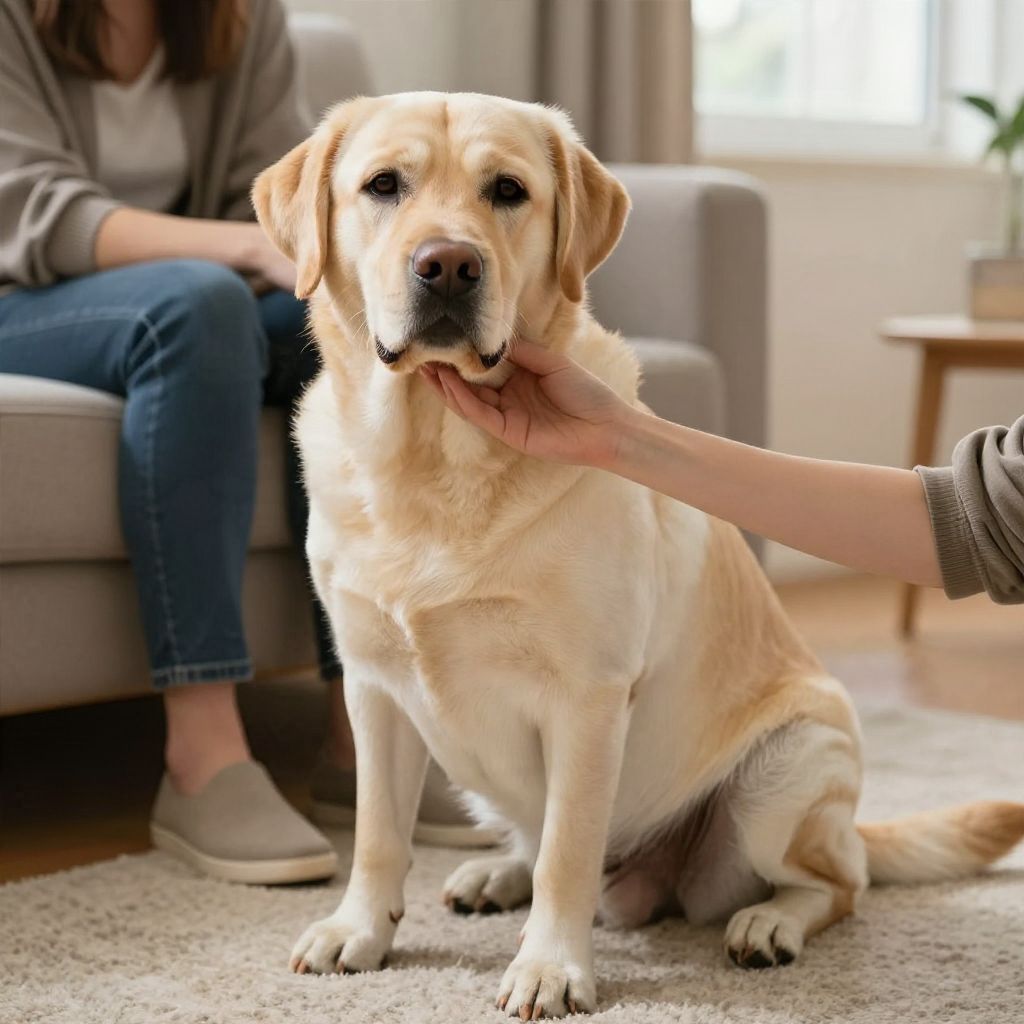
Do dogs like being pet? Many do, but not every dog enjoys every kind of touch. A dog’s reaction depends on where you pet them, how you approach, their age, health, history, and current mood.
The safest approach is to let the dog choose. Watch body language, start gently, and stop if the dog leans away, stiffens, or looks uncomfortable.
Do Dogs Like Being Pet?
Yes, many dogs enjoy being pet when the touch is gentle, predictable, and on areas they are comfortable with. But individual dogs vary a lot. Some love close contact, while others prefer brief interaction or only petting from familiar people.
How to Tell If a Dog Likes Being Pet
Look for relaxed, welcoming body language. A dog that enjoys petting usually seeks more contact, stays loose, and appears calm rather than tense.
Signs your dog is enjoying it
- Leaning into your hand or nudging you for more
- Loose, soft body posture
- Relaxed face, open mouth, or soft eyes
- Tail wagging in a loose, natural way
- Choosing to stay near you
Signs your dog may not like it
- Turning away, moving off, or hiding
- Stiff body or frozen posture
- Lip licking, yawning, or showing the whites of the eyes
- Low growling, snapping, or sudden avoidance
- Trying to mouth your hand or pawing it away
These signals can be subtle. If you miss them, a dog may escalate from discomfort to a bite, especially if they feel trapped.
Where Most Dogs Prefer to Be Pet
Many dogs prefer petting on the chest, shoulders, or side of the neck rather than on the top of the head. Still, preferences vary, so let the dog guide the interaction.
Commonly preferred areas
- Chest
- Shoulders
- Base of the neck
- Side of the body
- Under the chin, if the dog invites it
Areas that can be less welcome
- Top of the head
- Face and muzzle
- Ears, unless the dog clearly enjoys it
- Tail
- Paws, belly, or hind end, unless the dog offers access
Some dogs tolerate these areas but do not truly enjoy them. Tolerance is not the same as consent, and a calm dog may still prefer a different kind of touch.
How to Pet a Dog Safely
Approach slowly, keep your movements predictable, and give the dog a chance to opt out. A good petting session should feel easy for the dog, not like something they have to endure.
- Ask the owner before petting a dog you do not know.
- Let the dog approach you first if possible.
- Offer the back of your hand briefly and wait for interest.
- Start with light strokes on the chest or shoulder area.
- Pause and see whether the dog asks for more.
- Stop if the dog moves away or shows stress signals.
For puppies, keep interactions short and gentle. Puppies are still learning what touch means, and positive early experiences can help them grow into more comfortable adult dogs.
Why Some Dogs Do Not Like Being Pet
Not liking petting does not mean a dog is unfriendly. It may reflect personality, past experiences, pain, fear, or simply a preference for space.
Common reasons
- Limited socialization: The dog may not have learned that human touch is safe.
- Past trauma: Rescue dogs or dogs with rough handling histories may be cautious.
- Pain or illness: Arthritis, ear infections, skin problems, dental pain, and other issues can make touch unpleasant.
- Age-related changes: Senior dogs may be more sensitive or sore.
- Individual temperament: Some dogs simply like less physical contact.
If a dog suddenly stops enjoying petting, especially if they used to like it, schedule a veterinary exam. A change in touch tolerance can be a sign of discomfort or medical trouble.
Do Puppies Like Being Pet?
Many puppies enjoy gentle petting, but their tolerance changes quickly as they grow. Short, positive sessions are best, especially when you pair touch with calm praise, treats, and the option to leave.
Keep in mind that puppies can become overstimulated easily. If a puppy starts biting, wriggling away, or zooming off, they may need a break rather than more contact.
Do Senior Dogs Like Being Pet?
Many senior dogs still love affection, but aging can make certain touches less comfortable. Older dogs may have aching joints, reduced vision or hearing, or increased sensitivity around sore areas.
Be especially gentle with older dogs and avoid pressing on stiff hips, elbows, or the spine. If your senior dog seems grumpy about touch, pain is worth ruling out with a veterinarian.
When Petting Can Become a Problem
Petting is not always appropriate, even for a friendly dog. Some situations make a dog more likely to react defensively or feel overwhelmed.
- While the dog is eating, chewing, or guarding a toy
- When the dog is sleeping or startled awake
- During grooming if the dog is already anxious
- Near injuries, hotspots, or painful joints
- When children crowd the dog or pet too roughly
Never force affection. A dog that is cornered or restrained may bite to create space, even if they are usually gentle.
How to Teach Children to Pet Dogs Respectfully
Children often want to hug, grab, or pat dogs excitedly, but that can feel threatening. Teaching calm, respectful handling protects both the child and the dog.
- Show children to ask permission from the owner first.
- Teach them to stand still and let the dog come closer.
- Use gentle strokes on the chest or side, not the face.
- Keep sessions short.
- Stop immediately if the dog walks away or looks worried.
Hugs are especially risky for many dogs because they restrict movement. If a dog tolerates a hug, that does not mean they enjoy it.
What to Do If Your Dog Avoids Petting
If your dog does not like being pet, respect that preference and build trust in other ways. You can still strengthen your bond without forcing physical contact.
Better alternatives to forced petting
- Food puzzles and training games
- Calm walks and sniffing time
- Gentle play with toys your dog enjoys
- Sitting nearby without touching
- Reward-based training sessions
You can also teach your dog to choose contact by rewarding them when they lean in, rest near you, or present a shoulder for petting. This helps them feel in control.
When to Call a Veterinarian or Behavior Professional
Contact a veterinarian if your dog suddenly dislikes touch, flinches when handled, growls when touched in one area, or seems painful. Those signs can point to an underlying medical issue that needs attention.
Consider a certified trainer or veterinary behaviorist if your dog is fearful, reactive, or has a history of biting. Humane, reward-based help is the safest way to improve comfort with handling.
Seek urgent veterinary care if your dog has
- Sudden severe pain or inability to move normally
- Swelling, bleeding, or an obvious injury
- Repeated snapping or biting when touched in a specific area
- Weakness, collapse, or a major behavior change
- Any sign of serious illness along with touch sensitivity
Bottom Line
Do dogs like being pet? Many do, but only when the touch matches their preferences and comfort level. Let the dog approach, use gentle petting in low-risk areas, and stop at the first sign of stress. If touch suddenly becomes unwelcome, check with your veterinarian.
If you want to better understand your dog’s comfort cues, you may also find it helpful to read about whether dogs understand kisses and why dogs sit on you.