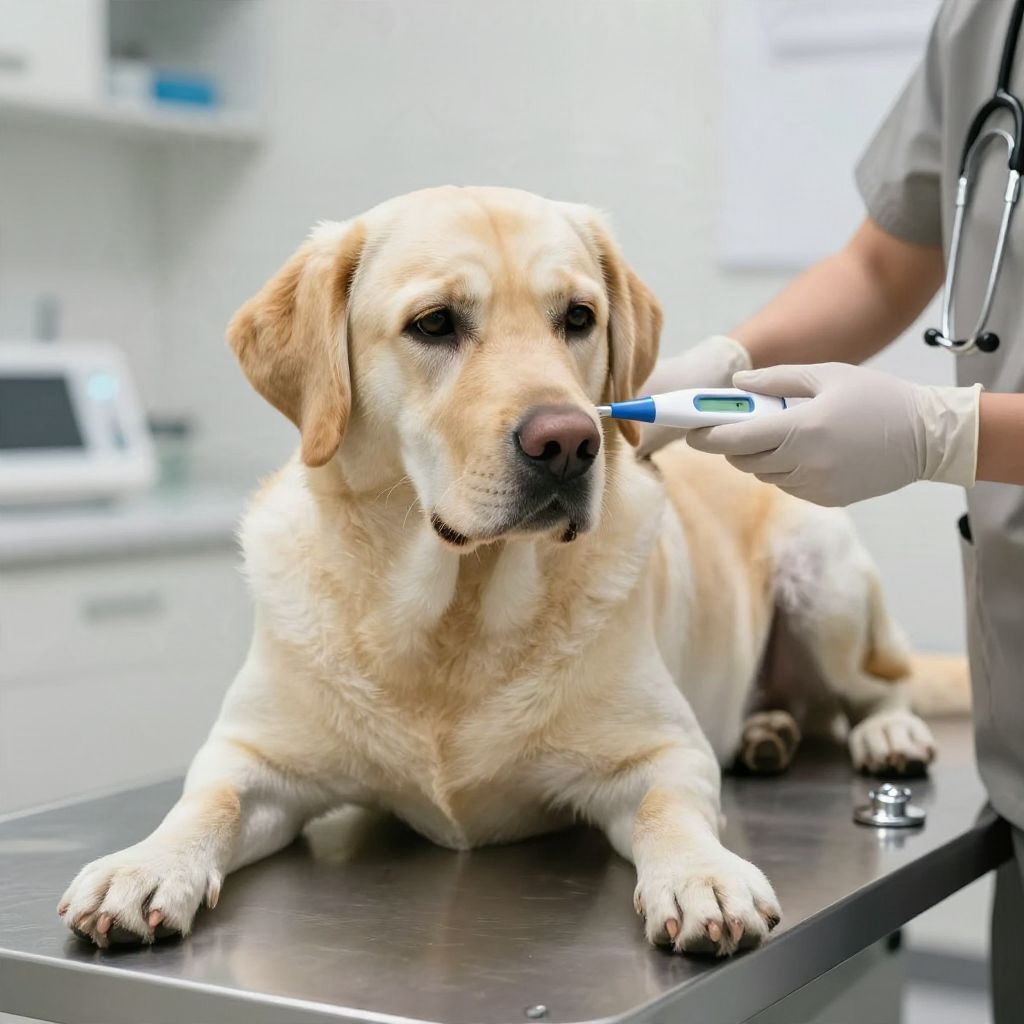
Can dogs get fevers? Yes, they can. A fever usually means your dog’s body temperature is higher than normal because of infection, inflammation, or another underlying problem.
Because fever is a sign, not a diagnosis, it’s important to look for the cause and watch for urgent warning signs. If your dog seems unwell, contact your veterinarian for guidance rather than guessing at home.
Can dogs get fevers?
Yes. Dogs can develop fevers when their body is fighting infection, inflammation, immune disease, or another illness. A normal dog temperature is typically higher than a human’s, so you should not judge by touch alone. A rectal thermometer is the most reliable way to check, and veterinary advice is best if your dog seems sick.
What causes fever in dogs?
Fever is the body’s response to a problem, not a disease by itself. The cause can range from mild to serious, and the right response depends on your dog’s other symptoms and overall condition.
- Infections: bacterial, viral, fungal, or tick-borne illnesses
- Inflammation: pancreatitis, certain immune-mediated conditions, or tissue injury
- Heat-related illness: overheating can raise temperature and become an emergency
- Post-vaccination reaction: some dogs may feel mildly off for a short time after vaccines
- Other medical problems: some cancers or internal diseases can trigger fever
Age, size, and health history matter. Puppies, senior dogs, and dogs with chronic disease may become seriously ill faster than a healthy adult dog.
How can you tell if your dog has a fever?
Common signs include lethargy, reduced appetite, shivering, warm ears, panting, or seeming “off.” These signs are not specific to fever, so a temperature check and a veterinary exam may be needed to know what is happening.
Signs that may happen with fever
- Low energy or reluctance to move
- Loss of appetite
- Shivering or trembling
- Warm, dry nose or ears, though this is not reliable by itself
- Panting when the dog is not hot or active
- Hiding, clinginess, or unusual behavior
If you want a step-by-step explanation of temperature checking, see how to tell if your dog has a fever.
What temperature counts as a fever in dogs?
Dogs usually have a higher normal temperature than people. A temperature above the normal canine range is considered a fever, but the exact interpretation depends on how the reading was taken and how your dog looks overall. If you are unsure, call your veterinarian for help interpreting the result.
When is a dog fever an emergency?
Seek urgent veterinary care if your dog has a high temperature or seems very ill. Do not wait if you see signs that suggest heatstroke, severe infection, or another serious condition.
- Collapse, weakness, or inability to stand
- Difficulty breathing
- Repeated vomiting or severe diarrhea
- Seizures
- Pale, blue, or very red gums
- Extremely hot body temperature after heat exposure
- Confusion, disorientation, or unresponsiveness
- Swollen abdomen, severe pain, or crying when touched
These signs can indicate a medical emergency whether or not a fever is present. If your dog is overheating, move them to a cool area and contact an emergency veterinarian right away.
What should you do if your dog seems feverish?
The safest first step is to assess how sick your dog appears and contact your veterinarian. Do not give human medications unless a veterinarian specifically tells you to do so, because many are dangerous for dogs.
- Check your dog’s temperature if you know how to do it safely.
- Note other symptoms such as vomiting, coughing, diarrhea, pain, or injury.
- Offer fresh water and keep your dog calm and comfortable.
- Keep your dog indoors and avoid exercise until you know what is wrong.
- Call your veterinarian for advice, especially if symptoms last more than a short time or worsen.
Do not use ice baths, alcohol rubs, or home fever remedies unless a veterinarian instructs you to do so. Cooling too aggressively can be harmful, especially if the problem is not heat-related.
Can you treat a dog fever at home?
Home care can support comfort, but it does not replace veterinary diagnosis. Mild cases may improve with rest and hydration, but fever can signal a problem that needs treatment.
Safe supportive care
- Provide cool, fresh water at all times
- Let your dog rest in a quiet, comfortable space
- Monitor appetite, energy, and bathroom habits
- Keep the environment comfortably cool
What you should not do is equally important. Never give acetaminophen, ibuprofen, aspirin, or other human pain relievers unless your veterinarian has specifically directed you to do so. These can be toxic or cause serious complications.
How do veterinarians find the cause of fever?
Your veterinarian will look for the source of the fever rather than treating the number alone. The exam and tests depend on your dog’s symptoms, age, vaccination status, travel history, and possible exposure to ticks, toxins, or injured tissue.
- Physical examination and temperature check
- History of recent illness, trauma, travel, or tick exposure
- Bloodwork or urine testing
- Imaging if pain, injury, or internal disease is suspected
- Additional tests based on the likely cause
Some dogs need prompt treatment for infection, dehydration, pain, or inflammation. Others may need monitoring and follow-up testing if the cause is not obvious right away.
How long can a dog fever last?
That depends on the cause. A mild, short-lived fever after vaccination or a minor illness may resolve quickly, but ongoing fever is more concerning. If your dog still seems unwell after a brief period, or the fever returns, contact your veterinarian.
Persistent fever can point to a deeper issue such as infection, tick-borne disease, immune disease, or an internal problem that needs diagnosis. Waiting too long can make treatment harder and recovery slower.
Are puppies, seniors, or certain dogs at higher risk?
Any dog can get a fever, but some dogs are more vulnerable to complications. Puppies, older dogs, and dogs with chronic illness may deteriorate faster and should be assessed sooner if they seem sick.
Dogs that need extra caution
- Puppies: less reserve, higher risk from dehydration and infection
- Senior dogs: may have other health issues that complicate recovery
- Dogs with immune problems: may not fight infection normally
- Working or highly active dogs: may be at risk for overheating if overexercised in heat
Breed can influence some health risks, but it does not determine whether a dog will get a fever. Individual history, environment, and medical status matter much more than breed alone.
Common mistakes to avoid
When you are worried about a sick dog, it is easy to make choices that seem helpful but can delay proper care. Avoid these common errors.
- Assuming a warm nose means fever, or a cool nose means your dog is fine
- Giving human medications without veterinary approval
- Waiting too long because your dog is still drinking water
- Forcing food when your dog is nauseated or painful
- Ignoring vomiting, diarrhea, coughing, or limping along with fever
- Overcooling a dog who may not actually be overheated
When should you call the vet if your dog seems feverish?
Call your veterinarian the same day if your dog has a fever and is acting unwell, especially if symptoms last more than a few hours or you notice vomiting, diarrhea, pain, or poor appetite. If your dog is very young, very old, or has another medical condition, call sooner.
If your dog also has digestive signs, you may find this related guide useful: how to stop dog diarrhea. Digestive upset and fever together can point to an illness that needs veterinary attention.
Bottom line
Yes, dogs can get fevers, and the fever is usually a sign that something else is going on. Check for other symptoms, keep your dog comfortable, and contact your veterinarian for guidance. If your dog has emergency warning signs, seek urgent care right away.