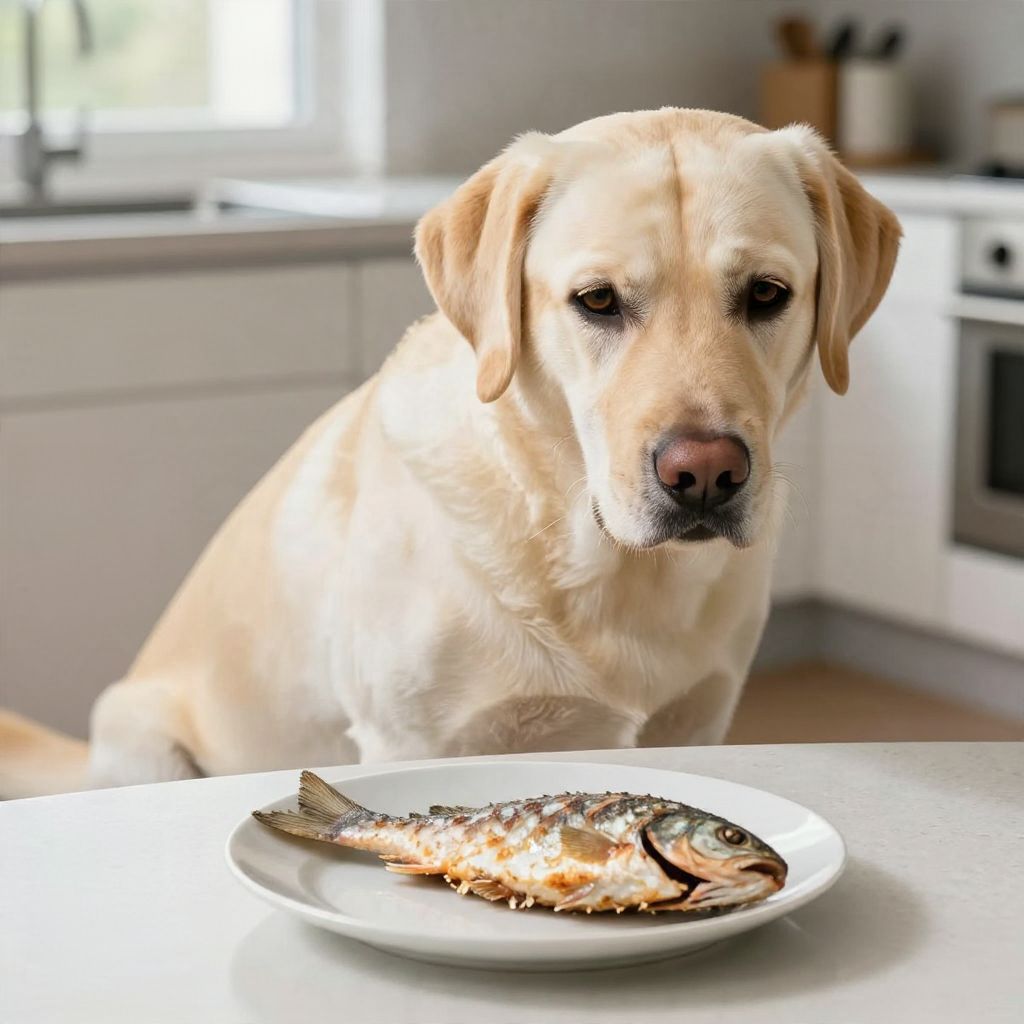
Can dogs eat catfish? Yes, plain, fully cooked catfish can be a safe occasional treat for many dogs. The key is how it’s prepared: no bones, no seasoning, no frying, and no sauces. Raw, undercooked, heavily salted, or breaded catfish can cause health problems.
If you want to share catfish with your dog, keep portions small and treat it like an extra snack, not a meal replacement. Dogs with allergies, pancreatitis, sensitive stomachs, or certain medical conditions may need a different choice, so check with your veterinarian if you are unsure.
Can dogs eat catfish?
Yes, dogs can eat plain cooked catfish in small amounts if it is boneless and free of seasoning, batter, oil, and sauces. Catfish can provide protein and some nutrients, but it should only be an occasional treat. Raw or poorly prepared catfish is riskier and should be avoided.
Why catfish can be safe in the right form
Catfish is a fish protein, and many dogs do well with fish when it is cooked simply. For some dogs, fish can be a useful alternative protein if they do not tolerate certain meats well, but that does not mean every dog should eat it.
Potential benefits
- Provides animal protein.
- Can be easier for some dogs to digest than rich or greasy foods.
- May offer variety for dogs who are bored with the same treat every day.
Even so, catfish is not a complete diet by itself. Your dog still needs a balanced dog food formulated for their age and health needs.
How to prepare catfish for dogs safely
The safest way to serve catfish is simple and plain. Cook it thoroughly and remove every bone before offering any piece to your dog.
- Choose fresh catfish from a reliable source.
- Cook it fully by baking, boiling, steaming, or grilling without added seasoning.
- Check carefully for bones, skin issues, and any crunchy fragments.
- Let it cool completely before serving.
- Offer a very small amount first to see how your dog tolerates it.
Best preparation methods
- Baked or steamed catfish with no oil or spices.
- Boiled catfish in plain water, then flaked and checked for bones.
- Grilled catfish only if it is unseasoned and not charred or greasy.
What to avoid when feeding catfish
Many catfish dishes made for people are not safe for dogs. The fish itself may be fine, but the preparation often creates the real problem.
- Fried catfish because of excess fat and breading.
- Seasonings such as garlic, onion, heavy salt, chili, or spice blends.
- Sauces and marinades that may contain unsafe ingredients.
- Bones, which can choke a dog or injure the mouth, throat, or digestive tract.
- Raw or undercooked fish, which can expose your dog to parasites or harmful bacteria.
If the catfish came from a restaurant, fish fry, or seasoned home recipe, it is usually better not to share it with your dog.
Risks of feeding catfish to dogs
Catfish is not automatically dangerous, but there are several important risks to know. These risks matter more for puppies, senior dogs, small dogs, dogs with sensitive stomachs, and dogs with a history of pancreatitis or food allergies.
1. Bone injuries and choking
Fish bones can be sharp and difficult to see. They may lodge in the mouth, throat, esophagus, or intestines, causing pain or blockage.
Call a veterinarian promptly if your dog coughs repeatedly, gags, drools excessively, has trouble swallowing, vomits after eating fish, or seems painful around the mouth or belly.
2. Stomach upset from rich or greasy preparation
Fried or oily catfish can trigger vomiting, diarrhea, or abdominal discomfort. In some dogs, rich foods can contribute to pancreatitis, which is a serious medical problem.
Seek urgent veterinary care if your dog develops repeated vomiting, severe lethargy, a painful abdomen, hunched posture, or refuses food after eating greasy fish.
3. Foodborne illness
Raw or undercooked fish can carry bacteria or parasites. Dogs may not always show immediate signs, but they can still become ill.
Watch for vomiting, diarrhea, fever, loss of appetite, or unusual weakness after your dog eats questionable fish.
4. Allergic or sensitivity reactions
Some dogs react poorly to fish proteins, even if they have eaten other foods without trouble. Reactions can show up as itching, ear problems, skin redness, vomiting, or loose stool.
If your dog has a known food allergy or is on a veterinary elimination diet, ask your vet before offering catfish.
How much catfish can a dog eat?
The amount depends on your dog’s size, age, activity level, and overall diet. A tiny dog needs much less than a large dog, and dogs with medical conditions may need none at all. Start with a very small bite or two of plain cooked fish.
A useful rule is to keep treats, including catfish, to a small part of your dog’s daily intake. If you are unsure how a new food fits into your dog’s diet, your veterinarian can help you decide on a safe amount.
Good times to be extra cautious
- Puppies with developing digestive systems.
- Senior dogs with dental disease or sensitive stomachs.
- Dogs with pancreatitis, obesity, or gastrointestinal disease.
- Dogs on prescription diets or elimination diets.
- Dogs that have never eaten fish before.
Signs your dog should not eat catfish
Some dogs are poor candidates for fish treats, even when the fish is cooked correctly. If your dog has a history of recurring vomiting, diarrhea, itchy skin, ear infections, or food-related issues, catfish may not be the best choice.
Also avoid sharing catfish if your dog is currently unwell, recovering from stomach upset, or taking a diet prescribed by your veterinarian.
What to do if your dog already ate catfish
If your dog ate a small amount of plain cooked catfish with no bones or seasoning, they will often be fine. Monitor them for digestive upset over the next day.
If the catfish was fried, heavily seasoned, raw, or had bones, contact your veterinarian for advice. Get urgent help right away if you notice choking, breathing trouble, repeated vomiting, collapse, abdominal pain, or blood in the vomit or stool.
Better fish-feeding habits for dog owners
If you want to use fish as an occasional treat, keep it simple and consistent. The goal is to make the snack safe, not to turn it into a regular meal or a rich human-style dish.
- Serve plain, cooked, boneless fish only.
- Introduce new foods slowly.
- Use small portions.
- Stop if your dog develops vomiting, diarrhea, itching, or ear irritation.
- Ask your vet before feeding fish to a dog with medical concerns.
Frequently asked concerns about catfish for dogs
Can puppies eat catfish?
Yes, but only in tiny amounts and only if it is plain, cooked, and boneless. Puppies are more likely to get stomach upset from new foods, so introduce catfish cautiously or skip it if you are not sure how they will react.
Can dogs eat catfish skin?
Plain cooked skin is not automatically toxic, but it can be greasy and may still carry seasoning or residue from cooking. If you are offering fish, the flesh is the safer choice.
Can dogs eat catfish nuggets or fried catfish?
It is best not to. Fried coatings, oil, salt, and seasoning make these versions much less suitable for dogs and can lead to digestive upset or more serious problems.
Is catfish a good option for dogs with allergies?
Sometimes fish can be part of an allergy-friendly diet, but catfish is not automatically safe for allergic dogs. If your dog has suspected food allergies, work with your veterinarian before adding any new protein.
When to call the vet
Contact your veterinarian if your dog has eaten catfish and then develops vomiting, diarrhea, itching, swelling, coughing, gagging, lethargy, or signs of pain. You should also call if the fish may have had bones, seasoning, or a lot of oil.
Go to an emergency vet now if your dog has trouble breathing, collapses, cannot swallow, has repeated unproductive retching, or seems to be in severe pain.
Conclusion
So, can dogs eat catfish? Yes, in the right form: plain, fully cooked, boneless, and served in small amounts. Avoid fried, seasoned, raw, or bone-in catfish, and check with your vet if your dog has health issues or a sensitive stomach. When in doubt, keep the treat simple and safe.
If you want to compare catfish with other fish options, you may also find it helpful to read can dogs eat raw fish and can dogs eat smoked salmon.