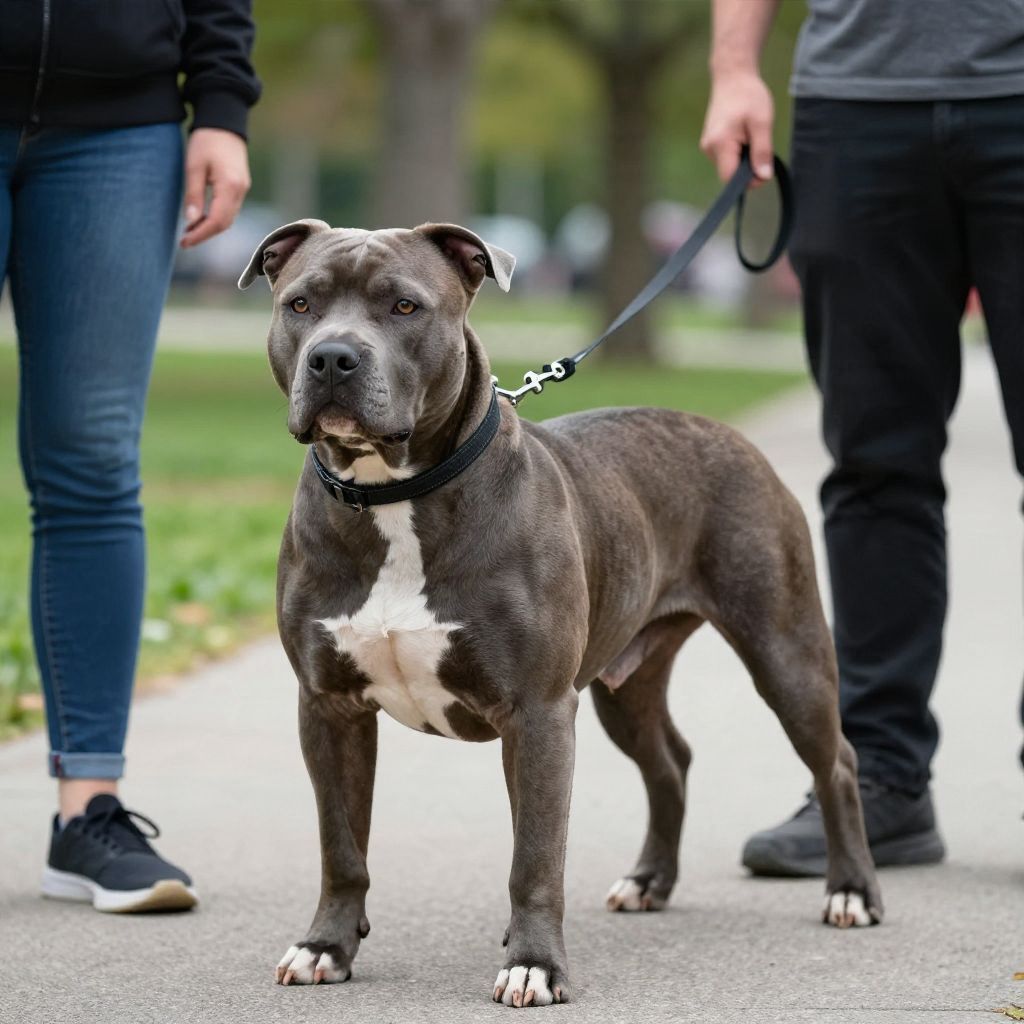
What is the most dangerous dog? The honest answer is that no single breed is automatically the most dangerous. A dog becomes dangerous when size, strength, fear, poor socialization, pain, neglect, or irresponsible handling combine with a situation that goes wrong.
If you are worried about a dog’s safety risk, focus on behavior and management rather than labels. Understanding warning signs, bite prevention, and responsible training helps protect people and dogs alike.
What Is The Most Dangerous Dog?
There is no universally “most dangerous” dog breed. Risk depends more on the individual dog’s temperament, training, health, socialization, and the owner’s supervision than on breed alone. Large, powerful dogs can cause more serious injury if they bite, but any dog can be dangerous in the wrong circumstances.
Why “Dangerous” Is Not Just About Breed
People often use the phrase to mean a dog that is more likely to bite, injure, or behave unpredictably. In reality, several factors matter at once.
- Size and strength: Bigger dogs can do more physical damage if a bite happens.
- Temperament: Some dogs are naturally more cautious, bold, or reactive.
- Training history: Dogs taught good manners are usually safer around people and other animals.
- Socialization: Dogs that have not been safely exposed to different people, places, and sounds may react fearfully.
- Health and pain: Illness, injury, or arthritis can make a dog defensive.
- Management: Leashes, fences, supervision, and secure housing prevent many incidents.
Breed can influence tendencies, but it does not determine destiny. Individual dogs within the same breed can behave very differently.
Which Dogs Are Often Labeled Dangerous?
Some breeds are more often mentioned in public discussions because they are large, powerful, or historically selected for guarding, protection, or work. That does not mean every dog of that breed is unsafe, only that mistakes can have bigger consequences.
Common reasons certain breeds get a dangerous reputation
- They have strong jaws and muscular bodies.
- They may be more protective or territorial in some lines.
- They are sometimes owned by people who do not provide enough training or control.
- Media reports often focus on severe incidents, which can skew public perception.
It is more accurate to ask, “Which dog is currently undertrained, unsupervised, fearful, or poorly managed?” than to ask which breed is inherently the worst.
Warning Signs That a Dog May Be Unsafe
Any dog, regardless of breed, may be more likely to bite if you notice repeated stress or aggression signals. Early recognition gives you a chance to intervene safely.
- Stiff body posture
- Hard staring
- Growling, snarling, or snapping
- Repeated lunging at people or dogs
- Guarding food, toys, beds, or spaces
- Fearful retreat followed by sudden defensive reactions
- Escalating reactivity on leash or behind fences
If these behaviors are new or worsening, schedule a veterinary exam first. Pain, neurological problems, or other medical issues can contribute to behavior changes.
What Makes a Dog More Dangerous in Real Life?
A dog is more likely to cause harm when several risk factors overlap. For example, a large dog that is underexercised, frightened, and not properly contained is more concerning than a well-trained, supervised dog of any breed.
High-risk situations
- Children are left alone with a dog they do not know well
- A dog is off-leash in an unfenced area
- Visitors approach a sleeping, eating, or injured dog
- The dog has a history of bites or near-bites
- The dog is in pain, sick, or recovering from surgery
- There is no secure barrier between the dog and the public
Most serious incidents are preventable with supervision, training, and thoughtful management.
How to Reduce Bite Risk
If you live with a strong or reactive dog, prevention should be practical and consistent. Humane training works better than punishment because it teaches safer choices without increasing fear or aggression.
- Use positive reinforcement. Reward calm behavior, recall, loose-leash walking, and polite greetings.
- Manage the environment. Use gates, crates, leashes, and secure fencing when needed.
- Avoid known triggers. Do not force interactions with strangers, children, or other dogs.
- Teach reliable cues. “Come,” “leave it,” “stay,” and “go to mat” can prevent trouble.
- Provide enough exercise and enrichment. Mental work, sniffing, and structured activity reduce frustration.
- Watch body language. Step in early if the dog looks tense, overwhelmed, or fixated.
Never use intimidation, shock collars, or harsh punishment to “fix” aggression. These methods can worsen fear and make bites more likely.
Are Some Dogs More Dangerous Around Children?
Any dog can be unsafe around children if supervision is poor. Children move quickly, make sudden noises, and may not recognize stress signals, so even a gentle dog can react badly under pressure.
- Never leave young children alone with a dog.
- Teach children not to hug, climb on, or disturb a resting dog.
- Separate dogs from children during meals and high-excitement play.
- Use barriers when guests or playdates make the environment chaotic.
If a dog has a history of guarding, snapping, or guarding resources, extra caution is essential.
When to Get Professional Help
Some behavior problems are too risky to handle alone. A qualified veterinarian can rule out medical causes, and a certified trainer or veterinary behaviorist can help build a safe plan.
Seek help promptly if your dog:
- Has bitten a person or another animal
- Shows escalating aggression
- Cannot relax around normal household activity
- Growls or snaps when touched
- Seems suddenly more irritable or defensive
If a bite breaks skin deeply, causes heavy bleeding, involves the face or eyes, or the person is a child or medically vulnerable adult, seek urgent medical care as well as veterinary guidance.
What To Do If Your Dog Has Already Bitten Someone
Stay calm and focus on safety. Do not punish the dog after the fact, because that will not teach the right lesson and may make future handling harder.
- Separate the dog safely from people.
- Provide first aid to the injured person if needed.
- Contact a veterinarian, especially if pain or illness may be involved.
- Document what happened, including triggers and body language.
- Work with a qualified behavior professional before the dog returns to normal routines.
Repeated bites are a serious warning sign. The goal is to prevent another incident, not to guess or hope it will not happen again.
How Breed Reputation Can Mislead You
Some dogs get labeled as “dangerous” because of headlines, appearance, or the actions of a few individuals. That can hide the real issue: lack of training, poor containment, or a stressful environment.
A responsible owner should ask:
- Is this dog supervised and well-managed?
- Does the dog have a bite history?
- Is the dog healthy and pain-free?
- Has the dog been socialized and trained with kindness?
- Are people around the dog behaving safely?
Those questions are far more useful than relying on stereotypes.
Practical Safety Tips for Any Dog
These habits lower risk whether you have a small companion dog or a large working breed.
- Keep vaccinations and veterinary care current.
- Use a leash in public unless the area is securely fenced and allowed for off-leash play.
- Introduce new people and animals gradually.
- Supervise feeding, chew items, and high-value toys if resource guarding is a concern.
- Give your dog a quiet retreat space away from visitors and children.
- Choose training methods that build trust instead of fear.
Consistency matters. Small safety habits prevent many serious problems.
Conclusion: The Most Dangerous Dog Is the One Not Properly Managed
The most dangerous dog is not a single breed. It is any dog whose size, fear, pain, training gaps, or lack of supervision creates a real risk of injury. If you are concerned, focus on prevention, veterinary care, and humane training so you can keep everyone safe.
If you want to learn more, you may also find these related guides useful: what is the most dangerous dog in the world and what is the strongest dog in the world.