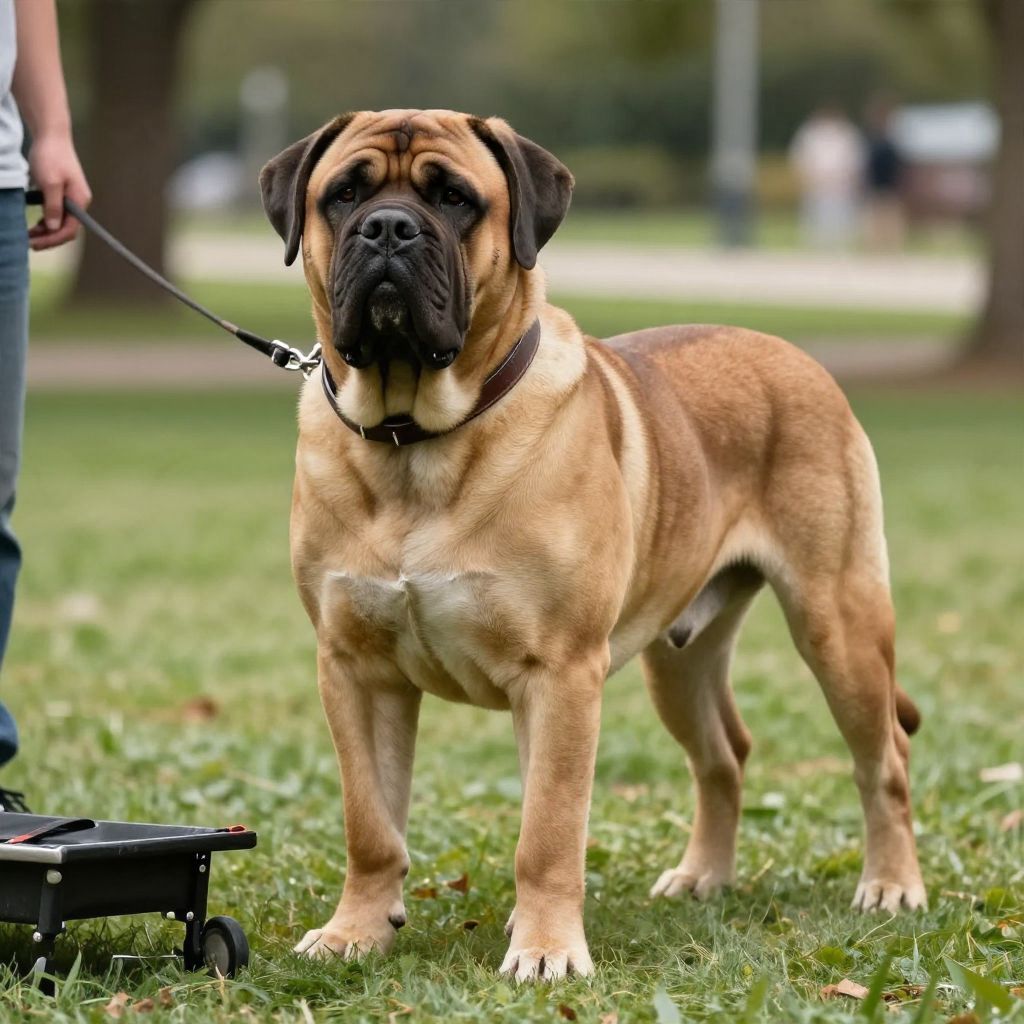
What is the strongest dog in the world? The answer depends on what you mean by “strongest.” Some dogs are strongest in bite force, some in pulling power, and others in overall muscle, stamina, or working ability. Breed alone does not decide strength; size, health, training, and temperament matter too.
If you are choosing a dog or comparing breeds, it helps to think about functional strength rather than just appearance. A powerful dog can still be gentle and manageable when well trained, socialized, and cared for responsibly.
What Is The Strongest Dog In The World?
There is no single official “strongest dog in the world.” In general, the strongest dogs are large, heavily built working breeds with substantial muscle, drive, and endurance. Depending on the measure, breeds such as the Mastiff, Saint Bernard, Rottweiler, Cane Corso, and similar power breeds are often considered among the strongest.
What “Strongest” Actually Means In Dogs
People use the word strong in different ways, and that changes the answer.
1. Bite strength
Some people mean jaw power. Bite force can be influenced by skull shape, jaw size, and body structure, but it is not the only sign of a powerful dog.
2. Pulling or working strength
Some breeds were developed to haul carts, guard property, move livestock, or perform rescue work. These dogs may not have the strongest bite, but they can have impressive physical power and stamina.
3. Overall muscular strength
This includes chest width, bone density, muscle mass, and the ability to push, pull, or hold position. A fit, conditioned dog often performs better than a heavier but less active dog.
4. Temperament and control
A truly “strong” dog is also one that can be safely handled. Training, impulse control, and reliable recall matter just as much as raw power.
Breeds Often Considered Among The Strongest
These breeds are commonly mentioned when people ask what is the strongest dog in the world. Individual dogs can vary a lot, so think of these as general tendencies, not guarantees.
- Mastiff-type breeds: Known for massive build and powerful frames.
- Saint Bernard: Famous for size and working strength in cold conditions.
- Rottweiler: A muscular working breed with strong protective instincts and athletic power.
- Cane Corso: A large, athletic guardian breed with notable physical strength.
- English Bulldog and similar heavy breeds: Compact strength, though not built for endurance or intense exercise.
- Great Dane: Extremely large and powerful, though not always the most muscular in appearance.
These breeds can be excellent companions, but they are not automatically easy dogs. Their size and strength make training and management especially important.
Why A Strong Dog Is Not The Same As A Dangerous Dog
Strength does not equal aggression. Many strong breeds are calm, affectionate, and steady when raised well. Behavior depends on genetics, early socialization, training, health, and the home environment.
What matters most is how the dog is guided. A well-trained powerful dog can be safe and polite, while a poorly managed smaller dog can still be difficult or risky.
How To Safely Live With A Powerful Dog
If you have a strong dog, good management protects both you and the dog.
- Start training early. Teach sit, stay, leave it, come, and loose-leash walking.
- Use reward-based methods. Food rewards, praise, play, and consistency build reliable behavior.
- Practice leash skills. A strong dog that pulls can injure you or themselves.
- Socialize carefully. Positive exposure to people, dogs, sounds, and places helps prevent fear and reactivity.
- Use proper equipment. A well-fitted harness or collar, sturdy leash, and secure fencing can improve safety.
- Supervise around children and visitors. Even friendly large dogs can accidentally knock someone over.
Exercise And Enrichment For Strong Breeds
Strong dogs usually need more than a short walk. They benefit from structured physical activity and mental work that matches their age and health.
Good exercise options
- Brisk leash walks
- Controlled fetch or tug with rules
- Hiking on safe terrain
- Obedience practice
- Sniffing games and puzzle feeders
- Canine sports suited to the dog’s body and age
Do not overdo exercise in puppies or giant breeds, because growing joints are vulnerable. If your dog is older, overweight, or has arthritis, ask your veterinarian what level of activity is appropriate.
Nutrition, Weight, And Muscle Health
A strong dog needs the right body condition, not just lots of food. Overfeeding can strain joints and reduce mobility, especially in large breeds.
- Feed a complete and balanced diet appropriate for your dog’s life stage.
- Keep treats limited so your dog stays lean.
- Monitor body condition, not just scale weight.
- Ask your vet before changing diets for growth, performance, or joint support.
Muscle development depends on exercise, genetics, and good nutrition. Supplements are not automatically helpful, and some are unnecessary without veterinary guidance.
Grooming And Daily Care For Large, Strong Dogs
Many powerful breeds are also large, which means routine care can be physically demanding. Regular grooming, nail trimming, and ear checks help prevent discomfort that can affect behavior and movement.
Helpful habits
- Brush coat and check skin regularly
- Trim nails before they become too long
- Inspect paws after walks and hikes
- Keep teeth clean with vet-approved dental care
- Watch for stiffness, limping, or reluctance to move
When a strong dog is painful, they may resist handling or become less predictable. Pain can change behavior, so a veterinary exam is important if you notice new irritability or mobility problems.
Common Mistakes People Make With Powerful Dogs
Some of the biggest problems are not caused by the breed itself, but by how the dog is managed.
- Assuming strength means the dog does not need training
- Using punishment instead of teaching skills
- Allowing pulling to become a habit
- Skipping early socialization
- Choosing exercise that is too intense for a puppy
- Ignoring signs of pain or joint disease
- Expecting a giant dog to behave like a toy breed without structure
Consistent routines and humane training usually work better than trying to overpower a dog physically.
When To Ask A Veterinarian Or Trainer For Help
Seek professional help if your strong dog is hard to control, shows fear or aggression, or seems uncomfortable during movement or handling. A certified trainer or veterinary behaviorist can help you build safer habits without force.
See a veterinarian promptly if you notice:
- Limping or sudden stiffness
- Difficulty rising, climbing stairs, or jumping
- Rapid fatigue during normal activity
- Swelling, pain, or refusal to use a limb
- Sudden behavior changes that may signal pain
Emergency warning: If your dog collapses, has trouble breathing, cannot stand, has a swollen abdomen, or suffers a serious injury, seek urgent veterinary care right away.
So, What Is The Strongest Dog In The World?
The strongest dog in the world depends on the definition you use, but large working breeds are usually at the top of the list. The better question is which dog has the right mix of strength, health, training, and temperament for your home. If you want a powerful dog, focus on responsible ownership first.
If you want to keep learning about large breeds, you may also find it helpful to read what is the biggest dog and how long do Rottweilers live.