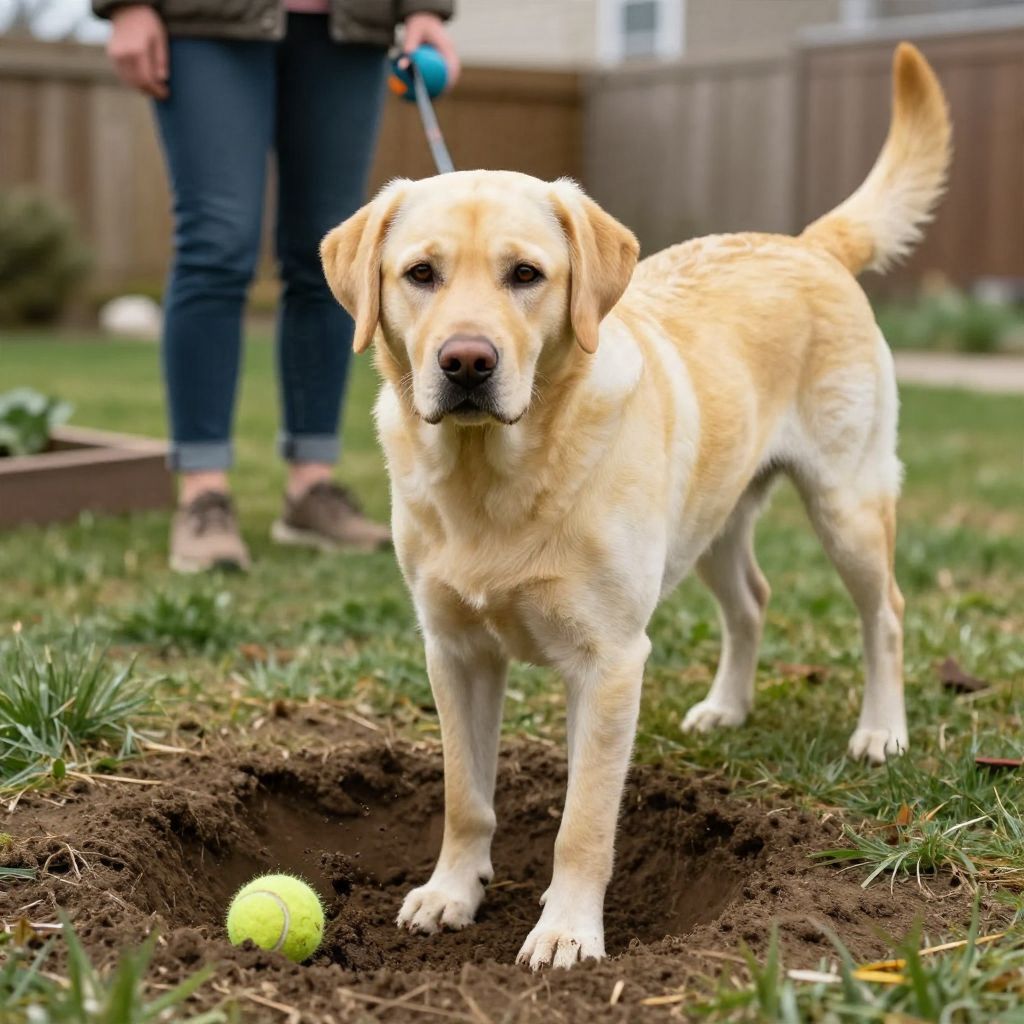
Why do dogs dig? Usually, they’re trying to meet a need: to cool off, hunt, hide, escape, burn energy, or relieve stress. Digging can be normal dog behavior, but it can also signal boredom, anxiety, or a problem that needs attention.
The good news is that you can often reduce digging by identifying the trigger and giving your dog a better outlet. The right fix depends on your dog’s age, breed tendencies, routine, environment, and whether the digging started suddenly.
Why do dogs dig?
Dogs dig for many normal reasons, including instinct, comfort, play, and exploration. Some dogs dig because they are under-exercised or under-stimulated, while others do it to escape, chase scents, cool down, or create a den-like resting spot. Sudden or intense digging can also point to stress or a medical issue.
Common reasons dogs dig
1. Instinct and natural behavior
Digging is part of normal canine behavior for many dogs. It can be tied to ancestral hunting, denning, or food-seeking instincts, and some dogs are simply more likely to dig than others.
Breed tendencies can matter, but they are not guarantees. Individual personality, training, and daily routine matter too.
2. Boredom or excess energy
A dog with too little exercise or mental enrichment may dig to create something to do. This is especially common when a dog spends long periods alone in a yard without enough interaction.
- Long stretches of inactivity
- Few walks or play sessions
- Lack of puzzle toys or training
- Too much unsupervised yard time
3. Seeking comfort or temperature relief
Dogs may dig to make a cooler spot in hot weather or a softer, sheltered place to lie down. Some dogs also dig in bedding to arrange a comfortable resting area.
If your dog digs mainly in sunny spots, near shade, or in bedding before settling, comfort may be the reason.
4. Hunting or prey drive
If your dog digs near holes, burrows, roots, or areas with visible wildlife activity, they may be trying to reach animals or insects. Terriers and other dogs with strong prey drive may be especially persistent, but any dog can show this behavior.
5. Escaping or exploring
Some dogs dig along fences, gates, or yard edges because they want to get out and investigate something. This can happen when they are lonely, anxious, curious, or motivated by sights, smells, or nearby animals.
Escape digging is a safety issue because it can lead to traffic injury, fights with other animals, or getting lost.
6. Stress, anxiety, or frustration
Digging can be a self-soothing behavior for dogs that feel stressed, overstimulated, or frustrated. It may increase during changes in routine, loud events, separation from you, or conflict with other pets.
If the digging seems repetitive, intense, or paired with pacing, whining, hiding, or destructive behavior, anxiety may be part of the picture.
7. Attention-seeking
Some dogs learn that digging gets a big reaction from people. Even negative attention can reinforce the habit if it reliably makes you rush over.
If your dog seems to dig most when you are nearby, consider whether they have learned that the behavior works.
8. Pregnancy or nesting behavior
Unspayed female dogs may dig or rearrange bedding when they are in heat or if they are pregnant. They may be trying to make a nest or den-like space.
If pregnancy is possible, or if the behavior is new and paired with other physical changes, ask your veterinarian for guidance.
When digging may be a health concern
Digging itself is usually a behavior issue, but sudden changes can sometimes be linked to discomfort or illness. A dog that starts digging obsessively, seems restless, or cannot settle may be trying to cope with pain, skin irritation, parasites, or another medical problem.
Contact your veterinarian if the digging is new and you also notice:
- Scratching, licking, or biting at the skin
- Redness, hair loss, or sores
- Vomiting, diarrhea, or appetite changes
- Restlessness, panting, or trouble lying down comfortably
- Sudden behavior changes, fear, or agitation
Seek urgent veterinary care if your dog may have injured themselves while digging, ingested something dangerous from the ground, has swelling or bleeding, seems weak, or is unable to settle with signs of distress.
How to stop or reduce digging
The best approach is to manage the environment, meet your dog’s needs, and teach a better alternative. Punishment usually makes the problem worse by increasing stress or making the dog dig when you are not watching.
1. Increase physical exercise
Many dogs dig less when they get enough daily movement. The right amount depends on age, health, and breed tendencies, but most dogs benefit from regular walks, active play, and opportunities to sniff and explore.
- Walks with sniffing time
- Fetch, tug, or chase games if your dog enjoys them
- Short training sessions
- Varied routes and environments
2. Add mental enrichment
Brain work can be just as important as exercise. Puzzle feeders, scent games, and short training sessions help redirect energy into acceptable activities.
- Food puzzles or scatter feeding
- Find-it games with treats or kibble
- Basic obedience practice
- Chews that are safe for your dog’s size and chewing style
3. Supervise and interrupt early
If you catch your dog starting to dig, calmly interrupt and redirect them to something else. Reward them for choosing the new activity.
Try to intervene before the behavior becomes a habit, especially in the yard.
4. Create a legal digging area
Some dogs do better when they have a designated place where digging is allowed. A sandbox or dirt patch can work well if you teach your dog that this is their approved spot.
- Choose one area and make it consistent.
- Encourage your dog to dig there using toys or treats.
- Reward digging only in that spot.
- Block access to other tempting areas when possible.
5. Reduce escape opportunities
If your dog digs near fences or gates, address the motivation and the access. Make sure your dog cannot practice escaping while you work on the cause.
- Inspect the yard for weak spots
- Supervise outdoor time
- Use secure fencing and gate checks
- Bring your dog indoors if you cannot supervise
6. Make the environment more comfortable
If your dog digs to cool off, provide shade, fresh water, and a cooler resting area. If they dig in bedding, make sure their sleep space is comfortable and appropriate for the weather.
For hot days, avoid leaving your dog outside for long periods without supervision and climate control.
What not to do
It is easy to accidentally make digging worse. Avoid methods that rely on fear or pain.
- Do not punish or yell after the fact
- Do not use shock, prong collars, or intimidation
- Do not assume your dog is being “stubborn”
- Do not leave a digging dog unsupervised in the yard and expect the problem to disappear
Instead, focus on prevention, redirection, and reinforcement of the behavior you want.
Digging in puppies versus adult dogs
Puppies often dig because they are curious, energetic, and still learning what is appropriate. They may also dig during play or when they are under-stimulated.
Adult dogs that suddenly begin digging may need a closer look at routine changes, stress, or health concerns. If the behavior is new, more intense than usual, or paired with other symptoms, talk to your veterinarian.
How breed and temperament can influence digging
Some dogs may have stronger digging tendencies because of their individual temperament or historical working roles, but breed alone does not determine behavior. A dog’s daily activity, training, and environment often matter more than labels.
If your dog seems especially driven to dig, it may help to provide more structured exercise, scent work, and supervised outlets rather than trying to suppress the behavior completely.
When to get professional help
Consider working with a certified trainer or veterinary behaviorist if digging is frequent, destructive, or tied to anxiety. Professional help is especially useful when the behavior is difficult to interrupt or when your dog also shows fear, separation distress, or compulsive habits.
If you suspect pain, skin disease, parasites, or another medical issue, start with your veterinarian first.
Practical takeaway
Why do dogs dig? Most often, they are responding to instinct, boredom, comfort needs, stress, or a desire to escape or hunt. The best solution is to identify the trigger, give your dog a better outlet, and prevent practice of the unwanted behavior.
If you want to learn more about causes and solutions, you may also find why dogs dig holes helpful for a closer look at digging patterns and management ideas.