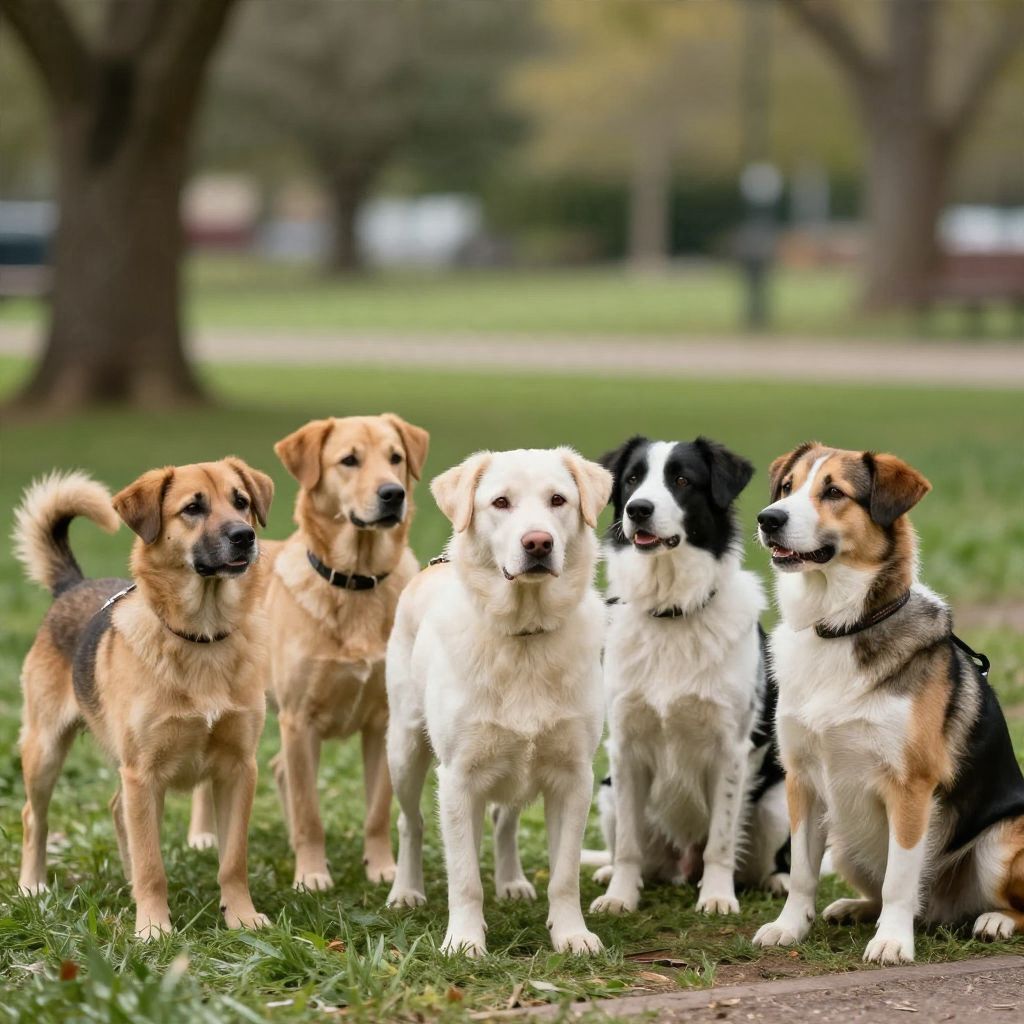
What is a group of dogs called? The most common answer is a pack, especially when dogs are living, traveling, or behaving together in a social group. In everyday use, people may also say a group of dogs, but “pack” is the traditional term.
The word you choose can depend on context, and not every group of dogs behaves like a wild pack. Understanding the term helps you talk clearly about dog behavior, socialization, and safe group interactions.
What Is A Group Of Dogs Called?
A group of dogs is commonly called a pack. The term is often used for dogs that live, hunt, or move together, but in modern pet care it can also simply mean several dogs in one place. In casual conversation, “a group of dogs” is always correct too.
What “Pack” Really Means
“Pack” is a social term, not a rule that every group of dogs has a strict hierarchy. Dogs may form loose social bonds, especially in familiar households, but their relationships are usually more flexible than old myths suggest.
When people use the word pack
- Dogs living in the same home
- Dogs walking or playing together
- Wild canines traveling as a social unit
- Working dogs managed as a team
Other words you may hear
- Pack — the most common traditional term
- Group — the safest general word in everyday use
- Team — often used for working dogs
- Pack of dogs — a common phrase in writing and speech
Is “Pack” Always the Right Word?
Not always. In many situations, “group” is more accurate because pet dogs do not always behave like wild animals in a stable pack structure. The best word depends on whether you are describing a casual gathering, a household, or a working group.
Examples in context
- A family with three dogs may say they have a group of dogs at home.
- Hunters or handlers may refer to a pack of dogs.
- A rescue facility may describe multiple dogs as a group to avoid implying a fixed social order.
Why the Word Pack Can Be Misunderstood
Many people hear “pack” and think it means one dog must always dominate the others. That idea is oversimplified. Dog behavior depends on personality, age, sex, health, past experiences, training, and the environment.
Some dogs enjoy close companionship, while others prefer more space. Even dogs that live together peacefully may still need separate feeding, rest areas, and supervised introductions to avoid conflict.
Common myths to avoid
- All dogs in a group are trying to dominate one another
- The oldest dog must always be “alpha”
- Dogs will naturally sort out every conflict without help
- Forcing dogs to submit improves group harmony
Reward-based training, good management, and careful observation are much more helpful than dominance-based ideas.
How Dogs Behave in a Group
Dogs in a group may play, rest, explore, or compete for attention and resources. Their behavior can change based on familiarity, stress, excitement, and whether there is enough space, food, and supervision.
Signs a group is getting along
- Loose, relaxed body language
- Appropriate play with pauses
- Shared space without tension
- Willingness to separate and rejoin calmly
Signs of tension
- Stiff posture or hard staring
- Guarding food, toys, beds, or people
- Repeated blocking, chasing, or bullying
- Growling, snapping, or escalating conflict
If tension appears, separate the dogs calmly and reassess the situation rather than waiting for a fight.
How to Safely Manage a Group of Dogs at Home
Whether you have two dogs or several, safe management matters more than the label you use. Each dog should have enough space, predictable routines, and access to resources without having to compete.
- Feed dogs separately if there is any guarding or tension.
- Provide multiple resting spots so no dog feels trapped.
- Supervise new interactions closely, especially with unfamiliar dogs.
- Use gates, crates, or pens to create calm separation when needed.
- Reward calm behavior with praise, treats, or access to preferred activities.
How age and temperament affect the group
Young, energetic dogs may overwhelm older or quieter dogs. Puppies often need extra supervision because they can be pushy, mouthy, and socially clumsy, while senior dogs may need more rest and fewer interruptions.
Breed can influence tendencies such as energy level, play style, or sensitivity, but it does not determine behavior on its own. Individual history matters just as much.
Introducing a New Dog to an Existing Group
Adding one dog to a household can change the whole social dynamic. A slow, structured introduction gives dogs a better chance to form positive associations and reduces the risk of conflict.
Safer introduction basics
- Start in a neutral area when possible
- Keep initial meetings short and calm
- Use leashes only for control, not tight restraint
- Watch body language for stress or overexcitement
- Separate dogs before they become overwhelmed
If a dog has a history of aggression, resource guarding, or severe fear, ask a qualified trainer or veterinary behaviorist for help before bringing another dog home.
Do Dogs Need to Live in a Group?
No. Many dogs live happily as only dogs in the home. Others enjoy canine companionship, but that depends on the individual dog, not a universal rule. A single dog can have a rich, healthy life with you, other people, and well-managed social experiences.
What matters most is meeting the dog’s needs for exercise, mental stimulation, training, rest, and social contact in ways that suit that dog.
When a Group of Dogs Becomes a Problem
Some groups function smoothly, while others develop stress patterns that need intervention. Problems are more likely when dogs are under-exercised, poorly supervised, competing for resources, or mismatched in size, energy, or temperament.
Watch for these warning signs
- Frequent fights or near-fights
- One dog constantly hiding or avoiding others
- Repeated guarding of food, toys, or people
- Overarousal that never settles
- New fear, house-soiling, or changes in appetite after conflict
These signs do not mean the dogs are “bad.” They mean the setup may need adjustment and professional guidance.
When to Get Professional Help
Seek help from a veterinarian, certified trainer, or veterinary behaviorist if a dog in the group shows sudden behavior changes, repeated aggression, or signs of pain. Medical problems can affect behavior, and pain can make even normally social dogs less tolerant.
Urgent veterinary concerns
- Severe injuries from a fight
- Difficulty breathing after a scuffle
- Collapse, extreme weakness, or bleeding that will not stop
- Sudden swelling, limping, or signs of significant pain
Do not try to “work through” serious aggression with force or punishment. That can increase fear and make the problem worse.
Helpful Takeaway for Dog Owners
A group of dogs is most commonly called a pack, but group is often the clearest and safest everyday word. More important than the term is how the dogs actually interact: calmly, safely, and with enough space, supervision, and resources for each individual.
If you want to learn more about dog breeds and famous dogs, you may also enjoy dog breed guides and this look at what kind of dog Lassie is.