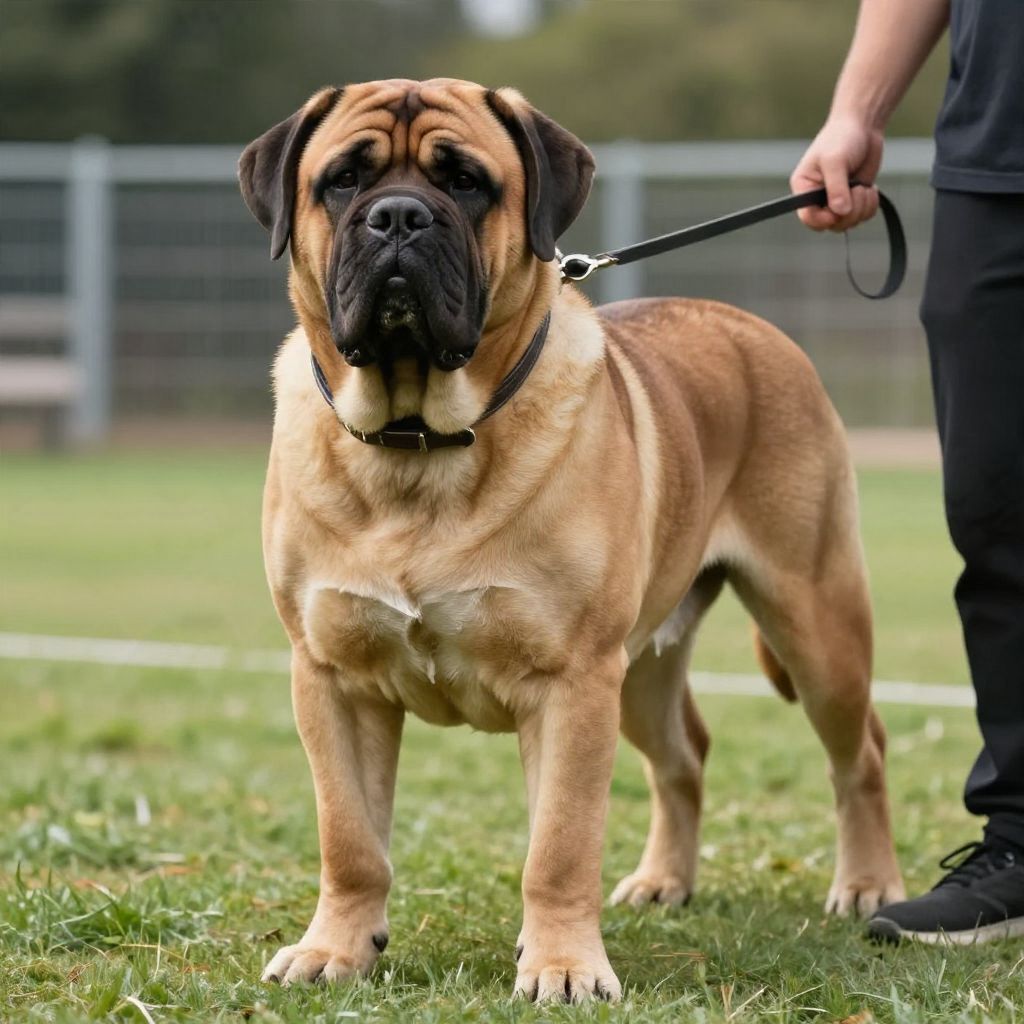
What is the strongest dog? The answer depends on what you mean by “strongest.” Some dogs are strongest in bite force, others in pulling power, muscular build, or sheer working endurance.
If you are comparing breeds, it helps to look at size, structure, training, and purpose rather than assuming one breed is “best.” Strength does not automatically mean aggression, and a dog’s behavior still depends on genetics, socialization, training, and care.
What Is The Strongest Dog?
The strongest dog is not one single breed in every sense. “Strongest” can mean bite force, muscle mass, towing strength, or stamina, and different breeds excel in different ways. Large working breeds often appear strongest overall, but individual health, conditioning, and training matter just as much.
What “Strongest” Can Mean in Dogs
People use the word strong in several different ways, and that is why this question has no one perfect answer. A dog may be strong because it can pull heavy loads, hold a stable working posture, or simply has a powerful jaw and body type.
1. Physical power
This refers to muscle, body size, and leverage. Dogs bred for guarding, pulling, or farm work often have broad chests, thick necks, and strong limbs.
2. Bite force
Some people mean the force of a dog’s bite. This is only one kind of strength, and it does not tell you whether a dog is safe, well-trained, or suitable for family life.
3. Endurance and work capacity
Some dogs are not the bulkiest, but they can work for long periods. That kind of strength is about stamina, focus, and resilience.
4. Mental strength
Temperament also matters. A dog that stays calm, confident, and responsive under pressure can be very strong in a working sense, even if it is not the largest dog in the room.
Breeds Commonly Considered Among the Strongest
Several breeds are often mentioned when people ask what is the strongest dog. These breeds are known for power, size, or working ability, but individual dogs still vary widely.
- Rottweiler — often recognized for muscular build and guarding ability.
- English Mastiff — known for massive size and heavy frame.
- Saint Bernard — traditionally associated with strength, size, and rescue work.
- German Shepherd — valued for athleticism, versatility, and working drive.
- Doberman Pinscher — lean but powerful, with speed and endurance.
- American Pit Bull Terrier and related bully-type dogs — often noted for muscularity and determination.
- Kangal — frequently discussed for guarding strength and powerful bite structure.
- Great Dane — extremely large and imposing, though not always the most muscular.
These are general tendencies, not guarantees. A well-bred, well-trained medium dog may outperform a larger dog in real-world tasks if the larger dog is out of shape, poorly socialized, or untrained.
Is the Strongest Dog the Biggest Dog?
Not always. Size helps, but strength is not just about height or weight. A giant dog may look powerful, yet a more compact breed can sometimes generate more usable force because of better structure, muscle density, or working style.
For example, a very large dog may have impressive mass, while a shorter, stockier dog may have more leverage for pulling or gripping. That is why “strongest” is a comparison that depends on the job you are talking about.
What Matters More Than Breed
If you are choosing a dog, breed alone should not be the deciding factor. Health, temperament, training, and your ability to meet the dog’s needs are more important than a label like “strongest.”
- Training history — a trained dog is safer and easier to handle.
- Socialization — early positive exposure helps dogs stay calm around people, animals, and new places.
- Body condition — a fit dog is usually stronger and more comfortable than an overweight one.
- Age — puppies, adults, and seniors have very different physical capacity.
- Health — joint disease, pain, heart issues, and obesity can reduce strength dramatically.
- Temperament — confidence and impulse control matter for safe handling.
How Strength Affects Daily Care
Strong dogs need thoughtful management because their power can become a safety issue if they are undertrained or overstimulated. That does not mean they are difficult by default, but it does mean you should plan ahead.
Leash handling
A powerful dog can pull hard enough to injure you or itself. Use a well-fitted harness or collar recommended by a qualified trainer or veterinarian, and teach loose-leash walking with reward-based methods.
Exercise
Many strong breeds need regular physical and mental exercise. Without enough activity, they may become frustrated, destructive, or hard to manage.
Home safety
Secure gates, fencing, crates, and doors matter more with strong dogs. A determined dog can push through weak barriers, so check your setup before problems happen.
Handling and grooming
Large or muscular dogs may be harder to lift, bathe, or trim nails. Start cooperative handling early so routine care stays safe and low-stress.
Training a Strong Dog the Right Way
The strongest dog should also be the most manageable dog. Humane training builds reliability without fear, pain, or intimidation.
- Teach simple cues first, such as sit, stay, come, and leave it.
- Reward calm behavior before asking for more difficult tasks.
- Practice leash manners in low-distraction places before busy areas.
- Use management tools like gates and crates to prevent rehearsing bad habits.
- Work with a certified trainer if your dog is too strong to control safely.
Avoid punishment-based methods. They can increase fear, stress, and aggression, especially in powerful dogs that are already hard to handle.
Nutrition and Conditioning for Strong Dogs
Strength depends on muscle, joints, and overall health. A balanced diet, appropriate exercise, and a healthy body weight support better performance and comfort.
- Feed a complete and balanced dog food appropriate for your dog’s life stage.
- Keep treats modest so weight does not creep up.
- Adjust exercise gradually for puppies and seniors.
- Ask your veterinarian before starting strenuous conditioning for a dog with health concerns.
Very active or working dogs may need more calories than a couch-potato pet, but food amounts should still be based on body condition and veterinary guidance, not guesswork.
Common Mistakes People Make
When people ask what is the strongest dog, they sometimes focus only on power and overlook responsibility. That can lead to avoidable problems.
- Choosing a strong breed without enough time for training.
- Underestimating how much exercise and mental work the dog needs.
- Using harsh handling instead of positive reinforcement.
- Ignoring early signs of pain, stiffness, or fatigue.
- Assuming a strong dog is automatically protective or safe with everyone.
When Strength Becomes a Health Concern
Sometimes a dog that seems “strong” is actually compensating for discomfort or excitability. If your dog suddenly pulls harder, becomes stiff, resists movement, or seems less willing to exercise, pain or illness may be involved.
Contact a veterinarian promptly if you notice limping, trouble rising, coughing during activity, collapse, repeated vomiting, sudden weakness, or obvious pain. Seek urgent veterinary care immediately for trouble breathing, blue gums, seizures, severe trauma, or a dog that cannot stand.
How to Choose the Right Strong Dog for Your Home
If you want a powerful breed, focus on compatibility instead of image. The best match is a dog whose size, drive, and exercise needs fit your lifestyle.
- Do you have enough space and time for daily exercise?
- Can you physically manage a strong dog on leash?
- Are children, elderly relatives, or other pets part of the home?
- Can you commit to training and socialization from the start?
- Would an adult rescue with known temperament be a better fit than a high-drive puppy?
If you are unsure, talk with a reputable breeder, rescue, veterinarian, or certified trainer before deciding.
Bottom Line
The strongest dog depends on what kind of strength you mean. Some breeds stand out for bite force, others for muscle, pulling power, or endurance, but no breed is automatically the “best” or safest. The right choice is a well-trained, healthy dog whose strength you can manage responsibly.
If you want to keep learning, you may also find what is the strongest dog in the world and what is the most dangerous dog in the world helpful for understanding how strength, behavior, and breed reputation differ.