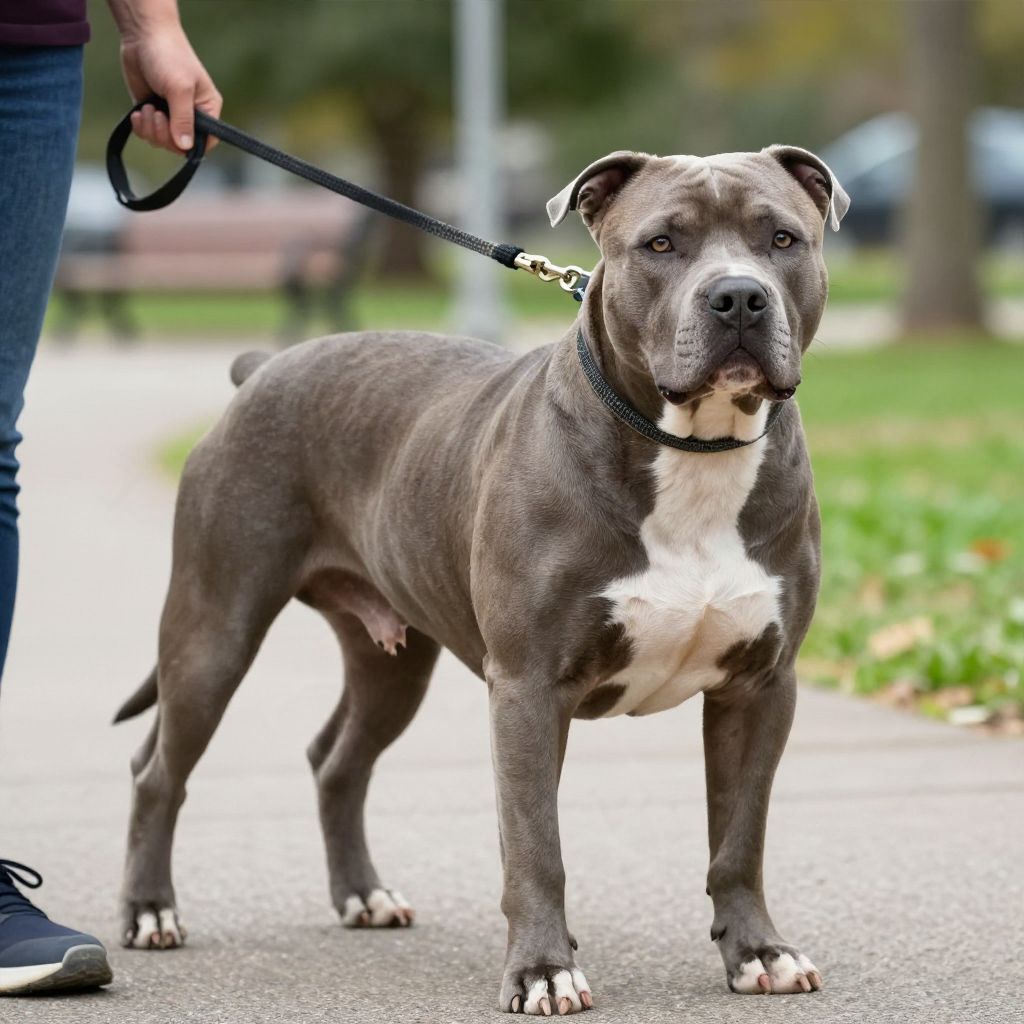
What is the most dangerous dog in the world? There is no single breed that is always the most dangerous. Risk depends far more on individual temperament, training, socialization, handling, health, and the situation than on breed alone.
If you are trying to understand dog danger, it helps to separate public fear from real risk. Any dog can bite under stress, but responsible care, early training, and safe management reduce that risk greatly.
What Is The Most Dangerous Dog In The World?
There is no scientifically reliable “most dangerous” dog breed. A dog becomes dangerous through a mix of poor socialization, fear, pain, neglect, lack of training, and unsafe handling. Breed may influence size, strength, or typical behavior tendencies, but it does not guarantee aggression or safety.
What people usually mean by “dangerous”
When people ask this question, they may mean different things: a dog that bites, a dog that can cause serious injury, or a dog that is hard for an inexperienced owner to manage. Those are not the same thing.
- Bite likelihood depends on fear, frustration, guarding, and prior learning.
- Injury severity depends on body size, jaw strength, and where the bite lands.
- Management difficulty depends on energy level, prey drive, reactivity, and training needs.
Why no breed can be labeled the most dangerous with certainty
Dogs are individuals. Two dogs of the same breed can have very different temperaments because of genetics, early experiences, health, and daily handling. A well-trained, well-socialized large dog may be much safer than a poorly managed small dog, and vice versa.
Factors that matter more than breed alone
- Early socialization with people, dogs, sounds, and environments
- Positive reinforcement training and clear routines
- Pain, illness, or discomfort that can lower tolerance
- Fear, anxiety, territorial behavior, or resource guarding
- Whether the dog is supervised, contained, and exercised appropriately
- The owner’s experience and ability to read body language
Breeds people often worry about
Some breeds are often mentioned in discussions about dog attacks because they are strong, powerful, or have been selectively bred for certain jobs. That does not mean every dog of those breeds is dangerous. It does mean you should be realistic about training, containment, and supervision.
Large, powerful breeds
Dogs with more size and strength can cause more serious injury if a bite happens. This is why responsible ownership matters so much with any large breed.
- Use secure fencing and sturdy leashes.
- Start training early and keep it consistent.
- Teach polite greetings and impulse control.
- Do not allow rough, uncontrolled play with strangers or children.
Dogs with strong guarding or prey-drive tendencies
Some dogs may be more likely to guard territory, toys, food, or family members, or to chase moving objects. These traits are not “bad,” but they require thoughtful management and training.
- Prevent rehearsing unwanted behavior.
- Use management tools like baby gates, crates, and leashes when needed.
- Reward calm behavior around triggers.
- Work with a qualified trainer or veterinary behaviorist if problems grow.
What actually makes a dog dangerous
A dog is more likely to become dangerous when warning signs are ignored. Aggression is often preceded by fear signals, stress, and repeated opportunities to practice unwanted behavior.
Common warning signs
- Stiff body posture
- Hard staring
- Growling or snarling
- Freezing before lunging or biting
- Showing teeth, lip lifting, or snapping
- Guarding food, toys, beds, or people
These signs are communication, not “bad attitude.” If you notice them, increase distance, reduce pressure, and get professional help before the behavior escalates.
How to reduce bite risk in any dog
Good prevention is the best answer to the question of what is the most dangerous dog in the world. Most bites are preventable when owners focus on safety, training, and realistic expectations.
- Socialize early and carefully. Introduce new people, dogs, sounds, and places in a calm, positive way.
- Teach basic cues. Sit, stay, leave it, come, and settle help you manage everyday situations.
- Use reward-based training. Reward the behavior you want instead of relying on intimidation or punishment.
- Supervise children and dogs. Never leave them alone together, even with a familiar dog.
- Manage resources. Separate dogs during meals, high-value chews, or tense situations if needed.
- Provide exercise and enrichment. A bored, under-exercised dog is more likely to develop problem behaviors.
- Address pain or illness. Sudden behavior changes can signal a medical problem.
When breed matters in practical terms
Breed can matter because it may influence size, energy, stamina, guarding instinct, or sensitivity to stimulation. That affects how much time, structure, and skill a dog may need from you.
For example, a high-energy working dog may need more exercise and mental work than a low-energy companion breed. A very small dog may be less physically dangerous, but still capable of biting if frightened or mishandled.
Size is not the same as temperament
Small dogs are often overlooked in safety discussions, but they can still bite, guard, and become reactive. Large dogs may be more physically powerful, which can make poor behavior more serious. Both deserve the same training and supervision standards.
Safety around children, visitors, and other dogs
If you are worried about a dog being dangerous, the highest-risk situations often involve close contact, excitement, and poor supervision. Set up the environment so the dog can succeed.
- Keep dogs separated from children during meals, naps, and toy play.
- Ask visitors not to crowd, hug, or stare at a nervous dog.
- Use leash distance and calm introductions with unfamiliar dogs.
- Give the dog a safe retreat space that people do not enter.
Do not force interactions. A dog that is allowed to retreat and decompress is less likely to feel trapped and react defensively.
When to get professional help
If your dog has bitten, snapped, or repeatedly lunged, do not wait for the problem to “go away.” A qualified trainer using humane methods, or a veterinary behaviorist, can help you identify triggers and build a safer plan.
Get urgent veterinary attention if the behavior changes suddenly
Sudden aggression can be caused or worsened by pain or illness. Contact a veterinarian promptly if you notice:
- Sudden irritability or snapping
- Reluctance to be touched
- Limping, stiffness, or trouble rising
- Head shaking, eye squinting, or ear pain
- Changes in eating, drinking, or energy
- Confusion, disorientation, or unusual vocalizing
Emergency: If a dog has severe wounds, uncontrolled bleeding, trouble breathing, collapse, or a serious bite injury to a person or another animal, seek urgent veterinary or medical care right away.
Common myths about the most dangerous dog
Dangerous-dog myths can lead to poor decisions. The most helpful approach is to focus on behavior, not labels.
- Myth: A breed is either safe or unsafe.
Reality: Individual dogs vary widely. - Myth: Aggression is always dominance.
Reality: Fear, pain, stress, and learning history are often involved. - Myth: Punishment fixes aggression.
Reality: Punishment can increase fear and make behavior worse. - Myth: Small dogs cannot be dangerous.
Reality: Any dog can bite and cause harm.
What to do if your own dog has shown aggression
If your dog has growled, snapped, or bitten, focus on safety first. Avoid punishment, which can suppress warning signs without solving the cause.
- Separate the dog from triggers right away.
- Note what happened just before the behavior.
- Book a veterinary exam to rule out pain or illness.
- Use management tools to prevent repeat incidents.
- Work with a qualified trainer or veterinary behaviorist.
Keeping a simple log of triggers, body language, and timing can help professionals identify patterns faster.
Bottom line
What is the most dangerous dog in the world? There is no single answer. The real risk comes from the individual dog, the environment, and the care you provide. Focus on training, supervision, health, and humane management to keep everyone safer.
If you want to keep learning, you may also find it helpful to read about what is the strongest dog in the world and why some Chihuahuas seem aggressive.