
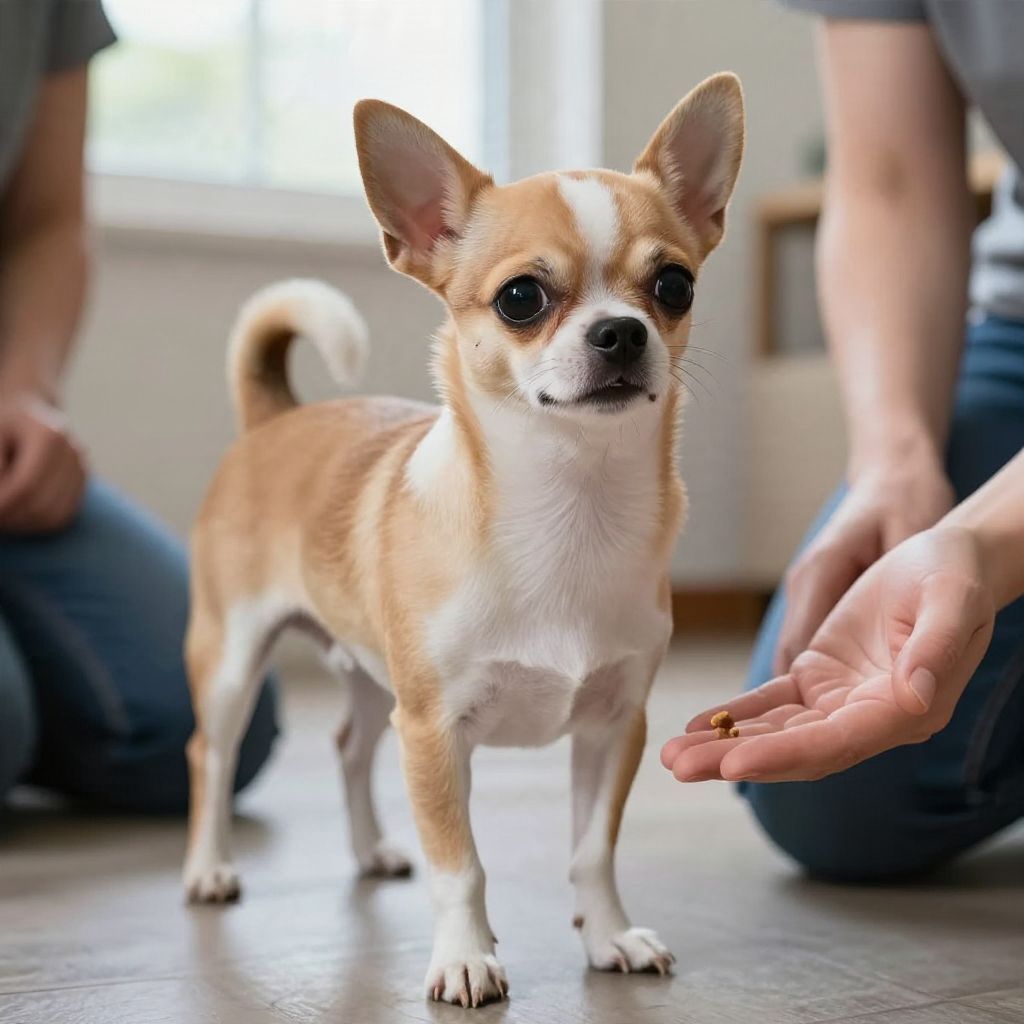
Why are Chihuahuas so aggressive? In many cases, they are not truly “aggressive” so much as fearful, over-aroused, under-socialized, or trying to protect themselves. Small dogs can be more likely to use barking, snapping, or guarding behaviors because those behaviors can work for them.
With the right training, handling, and health care, many Chihuahuas become calm, affectionate companions. The key is to look at the dog’s individual temperament, experiences, and medical comfort rather than assuming the breed is naturally mean.
Why are Chihuahuas so aggressive?
Chihuahuas may seem aggressive because they often react strongly to fear, stress, pain, or poor socialization. Their small size can make them feel vulnerable, so they may bark, growl, or snap to create distance. Breed tendencies, early experiences, handling, and health issues all influence behavior.
What people often mistake for “aggression”
Some Chihuahua behaviors are defensive rather than truly hostile. A dog that barks at strangers, hides, stiffens, or snaps when picked up may be worried, not dominant or “bad.”
- Fear-based reactions: barking, lunging, or backing away when startled
- Resource guarding: protecting food, toys, beds, or a favorite person
- Handling sensitivity: snapping when touched, lifted, or restrained
- Overstimulation: reacting strongly to noise, visitors, or fast movement
Understanding the trigger matters because the solution depends on why the dog is reacting.
Breed traits that can contribute
Not every Chihuahua behaves the same way, but some breed tendencies can make reactive behavior more noticeable. Many are alert, closely bonded to their people, and quick to notice changes in their environment.
Small size changes how they feel the world
Because they are tiny, Chihuahuas can be more easily startled by children, larger dogs, or rough handling. A dog that feels physically vulnerable may rely on warning signals sooner than a larger dog would.
Big personality in a little body
Some Chihuahuas are bold and confident, while others are cautious. That confidence can look like “attitude,” but it is still shaped by temperament, early learning, and how people respond to the dog.
Common reasons a Chihuahua may act aggressive
When you ask why are Chihuahuas so aggressive, the answer is usually a mix of factors rather than one cause.
- Poor early socialization: limited exposure to people, dogs, sounds, and handling during puppyhood
- Fear or anxiety: the dog feels unsafe and tries to create space
- Pain or illness: discomfort can make any dog irritable or touch-sensitive
- Reinforced barking: if barking makes scary things go away, the behavior can grow stronger
- Inconsistent handling: being cuddled, teased, or corrected unpredictably can increase stress
- Protective behavior: guarding a lap, bed, food bowl, or owner
How age affects Chihuahua behavior
Age can change how a Chihuahua behaves. Puppies may be noisy, mouthy, or easily overwhelmed, while adolescents often test boundaries and become more reactive if training is inconsistent.
Puppies
Young Chihuahuas need gentle, positive exposure to new people, surfaces, sounds, and handling. Safe socialization during this stage can reduce fear later, but it should never be forced.
Adults
An adult Chihuahua that suddenly becomes snappy, clingy, or withdrawn may be stressed or uncomfortable. A change in behavior is a reason to check for medical issues, household stress, or a recent bad experience.
Senior dogs
Older Chihuahuas may react more sharply if they have arthritis, dental pain, vision loss, hearing loss, or cognitive changes. If your senior dog seems “more aggressive” than before, a veterinary exam is important.
Medical causes you should not ignore
Behavior changes can be a sign of pain or illness. If your Chihuahua is suddenly growling, avoiding touch, or snapping when touched in a specific area, do not assume it is just personality.
- Dental disease or mouth pain
- Arthritis or back pain
- Ear infections
- Skin irritation or allergies
- Injury
- Hormonal or neurological problems
Seek veterinary care promptly if the behavior change is sudden, severe, or paired with limping, appetite loss, vomiting, trembling, weakness, head tilt, disorientation, or sensitivity to being touched.
When Chihuahua behavior is an emergency
Some situations need urgent veterinary help rather than training advice. A dog that is acting aggressively because of pain or a medical crisis should be seen quickly.
- Sudden collapse or severe weakness
- Difficulty breathing
- Repeated vomiting or bloated abdomen
- Seizures
- Major injury or bleeding
- Extreme agitation with confusion or disorientation
If your Chihuahua may have been exposed to a toxin, injured, or bitten, contact a veterinarian or emergency clinic right away.
How to reduce aggressive-looking behavior safely
The best approach is to lower stress, avoid punishment, and teach the dog what to do instead. Harsh corrections can make fear and defensive behavior worse.
1. Identify triggers
Notice what happens right before your Chihuahua barks, growls, snaps, or hides. Common triggers include strangers, other dogs, doorbells, being picked up, children, or guarding a resting spot.
2. Give the dog more space
Do not crowd, hug, or force interaction. Let your dog approach people on their own terms, and use barriers, baby gates, or a leash when needed to prevent rehearsing unwanted behavior.
3. Reward calm behavior
Use treats, praise, or play when your dog notices a trigger and stays relaxed. Reward the behavior you want before the reaction escalates.
4. Teach simple cues
Helpful cues include:
- Come for recall
- Place for going to a mat or bed
- Leave it for redirecting attention
- Settle for calm downtime
5. Manage the environment
Management is not failure; it is prevention. If your Chihuahua barks at the front window, block the view. If guests trigger guarding, keep the dog behind a gate with a chew or food puzzle.
Socialization that helps instead of overwhelms
Good socialization means pairing new experiences with safety and choice. It does not mean flooding your dog with strangers or forcing greetings.
- Introduce new people one at a time
- Keep sessions short and positive
- Let the dog retreat if needed
- Use treats for calm observation
- Stop before the dog becomes overwhelmed
For a Chihuahua, confidence-building often works better than “making them face it.”
Exercise and enrichment matter
Even small dogs need daily activity and mental stimulation. A bored or under-exercised Chihuahua may bark more, seek constant attention, or become frustrated.
- Short walks that match the dog’s stamina
- Sniffing games
- Food puzzles and scatter feeding
- Gentle training sessions
- Safe chew items approved for your dog
Keep exercise appropriate for the dog’s age, body condition, and any orthopedic or breathing issues.
Common mistakes that can make the problem worse
Some well-meant responses accidentally increase fear or guarding.
- Yelling when the dog barks
- Forcing the dog to be held or petted
- Punishing growling, which can remove a warning signal without fixing the fear
- Allowing repeated rehearsals of barking at the door or window
- Ignoring pain or sudden behavior changes
Growling is useful information. It tells you the dog is uncomfortable and needs help, not punishment.
When to work with a professional
If your Chihuahua has bitten, is escalating, or is too reactive for you to manage safely, get help from a qualified professional. A veterinarian can rule out medical causes, and a certified trainer or veterinary behaviorist can build a behavior plan.
Choose someone who uses reward-based methods and has experience with fear, guarding, or reactivity. Avoid anyone who recommends intimidation, alpha rolls, shock collars, or punishment for warning signals.
What a good plan usually includes
A practical behavior plan is usually gradual and specific. It may include trigger management, counterconditioning, desensitization, handling practice, and clear routines.
- Confirm there is no medical cause
- Track triggers and warning signs
- Prevent rehearsals of the behavior
- Reward calm responses
- Increase difficulty slowly
- Review progress and adjust as needed
Bottom line: are Chihuahuas naturally aggressive?
No breed is automatically aggressive, and Chihuahuas are no exception. Many are loving, loyal, and easy to live with when their needs are met. If your Chihuahua seems aggressive, look first for fear, pain, stress, or training gaps, then address the cause with patience and humane care.
If you want more dog-care guidance, you may also find it helpful to read about why dogs lick their paws and browse general breed information at Online Dog Breeds.