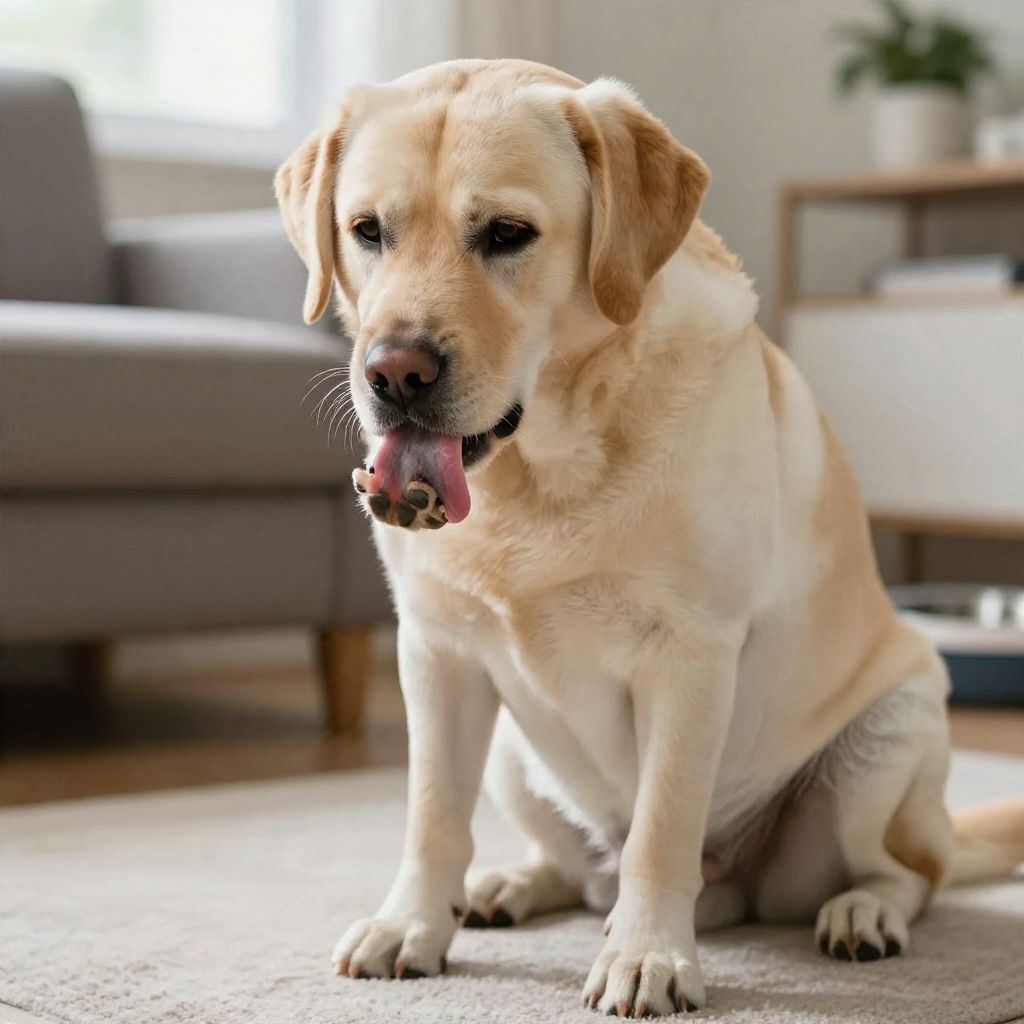
Why does my dog lick his paws? Occasional licking is normal, but frequent or intense paw licking usually means something is irritating, painful, or itchy. The cause may be simple, like dirt or a minor injury, or it may point to allergies, infection, parasites, or stress.
Because paw licking can have many causes, the best next step is to look for patterns and any other symptoms. If the licking is new, persistent, or making the skin red or sore, your dog should be checked by a veterinarian.
Why does my dog lick his paws?
Dogs lick their paws to clean them, soothe irritation, or respond to pain. Common causes include allergies, skin infections, foreign material, nail or paw injuries, parasites, anxiety, and sometimes boredom. If the behavior is frequent, one-sided, or causing redness, swelling, odor, or hair loss, it needs veterinary attention.
Common reasons dogs lick their paws
1. Dirt, debris, or something stuck in the paw
Your dog may be reacting to a small irritant such as mud, grass seeds, salt, sand, or a tiny splinter. Even a minor foreign object can make a dog lick repeatedly until the discomfort is gone.
- Check between the toes and around the pads.
- Look for redness, a puncture, or a visible object.
- Rinse the paw with lukewarm water if it seems dirty.
2. Allergies
Allergies are one of the most common reasons for chronic paw licking. Dogs can react to environmental triggers such as pollen, dust mites, mold, or grass, and some react to ingredients in food. Itching often affects more than just the paws.
- Other signs may include face rubbing, ear infections, scratching, or licking the belly.
- Seasonal flare-ups can suggest environmental allergies.
- Food-related itching may be more year-round, but only a vet can help sort that out.
3. Skin infection or yeast overgrowth
Warm, moist paws can develop bacterial or yeast infections, especially if your dog has been licking for a while. Infection can become a cycle: irritation causes licking, and licking worsens the irritation.
- Possible signs include odor, greasy skin, redness, discharge, or brown staining from saliva.
- The skin may look thickened, inflamed, or sore.
- Infections usually need veterinary diagnosis and treatment.
4. Pain or injury
Dogs often lick a paw that hurts. Causes can include a torn nail, a cut pad, a sprain, a bite, a burn from hot pavement, or arthritis in the leg or foot. Pain-related licking may be focused on one paw rather than all four.
- Limping, reluctance to walk, or sensitivity to touch are important clues.
- Swelling, bleeding, or a broken nail should be taken seriously.
- Sudden licking after exercise or outdoor play may indicate an injury.
5. Parasites
Fleas, mites, and other parasites can trigger itching that leads to paw licking. Some dogs also lick paws in response to skin irritation caused by insect bites or other external parasites.
- Look for scratching, hair loss, scabs, or signs of itchiness elsewhere on the body.
- Parasites are more likely if your dog is not on consistent prevention.
- A veterinarian can check for mites and recommend appropriate parasite control.
6. Anxiety, stress, or boredom
Some dogs lick their paws as a self-soothing habit. This can happen during changes in routine, separation, lack of exercise, or when a dog is under-stimulated. Repetitive licking may become a habit even after the original trigger fades.
- Look for pacing, whining, restlessness, or other repetitive behaviors.
- Dogs with less mental and physical enrichment may be more likely to develop habit licking.
- Stress-related licking still deserves a medical check, because pain and itch can look similar.
7. Nail or paw structure issues
Overgrown nails, cracked pads, or toe alignment problems can make walking uncomfortable and lead to licking. Some dogs are more prone to paw irritation because of their coat, activity level, or how their feet contact the ground, but individual variation matters more than breed labels alone.
- Check whether nails are clicking on the floor or curling into the paw.
- Long hair between the toes can trap moisture and debris.
- Regular grooming can reduce irritation for some dogs.
What to look for at home
A quick look at the paws can help you decide whether the problem is minor or needs prompt care. Use good lighting and compare all four paws.
- Look for cuts, swelling, redness, discharge, or a foreign object.
- Check the nails for breaks, bleeding, or unusual shape.
- Smell the paws for a strong odor, which can suggest infection.
- Notice whether one paw or all paws are affected.
- Watch when the licking happens: after walks, at night, when alone, or all day.
When paw licking is normal vs. a problem
Brief licking after a walk or grooming session can be normal, especially if your dog is cleaning off dirt or moisture. It becomes a concern when it is frequent, hard to interrupt, or causing skin damage.
- Likely normal: brief, occasional licking with no redness or soreness.
- Concerning: repeated licking, chewing, or biting at the paws.
- Needs veterinary care: swelling, limping, odor, bleeding, discharge, or hair loss.
What you can do right now
If the paw looks only mildly dirty or irritated and your dog is otherwise comfortable, you can take a few safe steps at home while you monitor the problem.
- Rinse the paw with lukewarm water and dry it well.
- Check carefully for thorns, burrs, glass, or a broken nail.
- Keep your dog from licking nonstop by supervising closely.
- Reduce access to rough ground, hot surfaces, or irritating grass if possible.
- Note any pattern, such as licking after certain walks or foods, to share with your vet.
Do not use human creams, essential oils, or leftover medications unless your veterinarian specifically tells you to. Some products can irritate skin or be unsafe if licked.
How veterinarians figure out the cause
Because paw licking can come from several different problems, a vet may need to examine the skin, nails, and paws closely. They may also ask about diet, seasonality, parasite prevention, grooming, and whether the licking is on one paw or all of them.
- Skin and ear checks can help identify allergies or infection.
- Tests may include skin cytology, parasite checks, or culture in some cases.
- If pain is suspected, your vet may look for injury, arthritis, or a foreign body.
When to seek urgent veterinary care
Some paw problems can wait for a routine appointment, but others should be seen quickly. Do not delay if your dog seems painful or the paw looks significantly abnormal.
- Go urgently if there is heavy bleeding, a deep wound, a severe limp, or a suspected broken nail with ongoing pain.
- Seek prompt care for swelling, pus, bad odor, or rapidly worsening redness.
- Get immediate help if your dog may have stepped on something toxic, has a sudden severe reaction, or cannot bear weight.
How to help prevent paw licking
Prevention depends on the cause, but a few habits can reduce irritation and make problems easier to catch early.
- Keep nails trimmed and paw hair tidy if needed.
- Rinse and dry paws after muddy or salty walks.
- Use consistent flea and parasite prevention recommended by your vet.
- Provide daily exercise, training, and enrichment to reduce stress and boredom.
- Address allergies, skin infections, and pain early instead of waiting for the licking to become a habit.
Common mistakes to avoid
When you are trying to help, it is easy to accidentally make the problem worse. Avoid these common errors:
- Ignoring persistent licking because the paw “looks fine.”
- Using harsh cleaners, alcohol, or unapproved creams on the skin.
- Assuming it is only behavioral when pain or allergy could be involved.
- Waiting too long after redness, odor, or limping starts.
- Using punishment to stop licking instead of treating the cause.
What if the licking is stress-related?
If your vet rules out medical causes, the licking may be part of a stress or habit pattern. In that case, management should focus on reducing triggers and replacing the behavior with healthier outlets.
- Increase predictable exercise and mental enrichment.
- Use reward-based training to teach settling, mat work, or chew-toy time.
- Consider a veterinary behaviorist or certified trainer if the behavior is hard to interrupt.
Bottom line
Why does my dog lick his paws? Most often, it is a sign of irritation, allergy, infection, pain, or stress rather than a harmless quirk. If the licking is frequent, one-sided, or causing skin changes, schedule a veterinary exam so you can find the real cause and treat it early.
If you want to learn more about related issues, you may also find helpful guidance in dog allergy care and common dog skin problems.