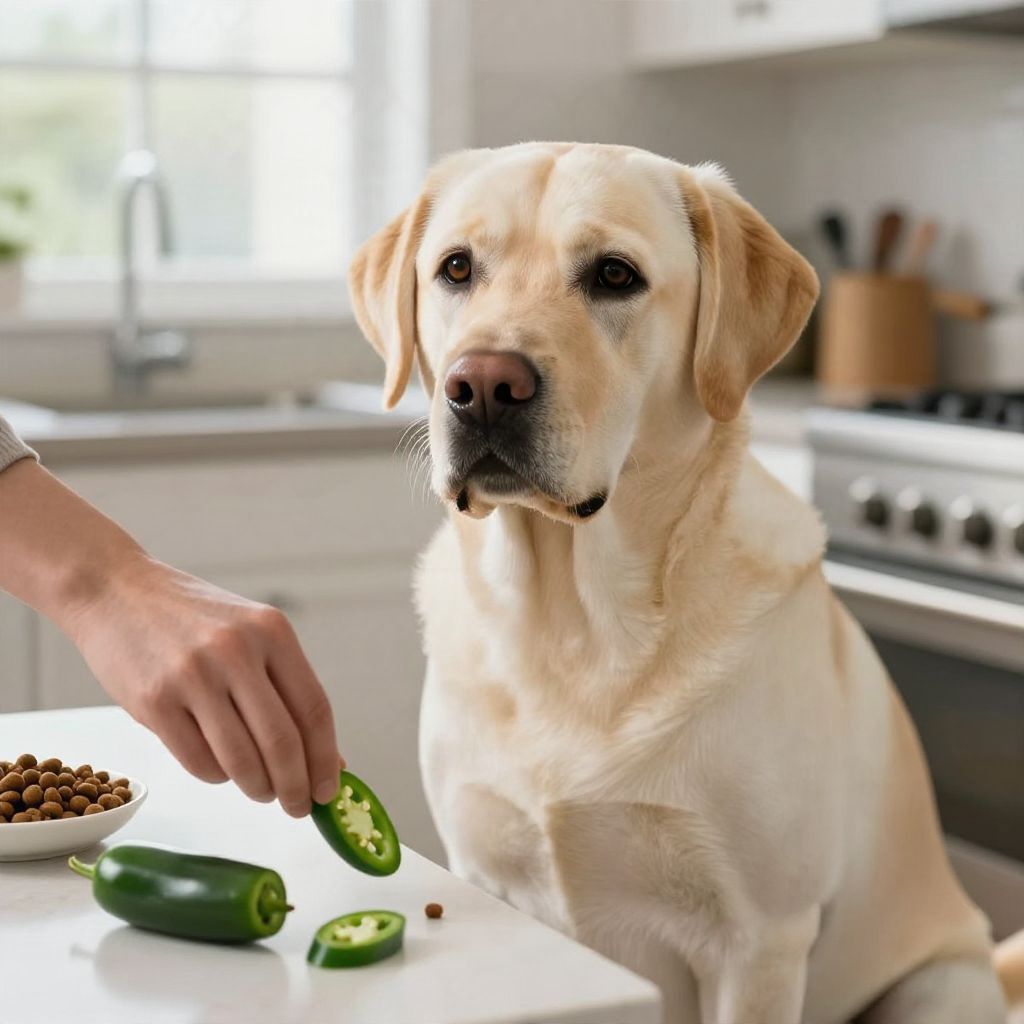
Can dogs have jalapenos? In general, it’s best not to feed jalapeños to dogs. Even when they are not “toxic” in the same way as some foods, their heat can irritate your dog’s mouth, stomach, and intestines.
If your dog ate a small amount, they may only have mild signs like drooling or an upset stomach. Larger amounts, or jalapeños mixed with onions, garlic, cheese, or spices, can be more concerning and may need a call to your veterinarian.
Can dogs have jalapenos?
Dogs should not eat jalapeños as a regular treat. The pepper itself is usually more of an irritation risk than a true poison, but the capsaicin that makes it spicy can cause mouth burning, vomiting, diarrhea, and discomfort. Some dogs are more sensitive than others, so even a small bite can upset one dog while another seems only mildly bothered.
Why jalapeños can be a problem for dogs
Jalapeños contain capsaicin, the compound responsible for their heat. Dogs may react with irritation in the mouth, throat, stomach, or intestines, especially if they eat a lot or if the pepper is cooked with other seasonings.
Common reactions after eating jalapeños
- Drooling or lip licking
- Pawing at the mouth
- Refusing food or water for a short time
- Vomiting
- Diarrhea
- Abdominal discomfort
- Restlessness or whining
Most healthy adult dogs with a tiny accidental taste may recover with simple monitoring, but that does not make jalapeños a good snack. Puppies, senior dogs, and dogs with sensitive stomachs may react more strongly.
What to do if your dog ate jalapeños
If your dog ate a small amount of plain jalapeño, start by removing access to the food and watching for symptoms. Offer fresh water, but do not force your dog to drink. If the pepper was part of a mixed dish, the other ingredients may matter more than the jalapeño itself.
Check for these ingredients right away
- Onion or garlic
- Chili powder, hot sauce, or spicy seasoning blends
- Butter, cream, or cheese in large amounts
- Fatty foods that could trigger stomach upset
- Skewers, toothpicks, or packaging that could cause injury
Call your veterinarian promptly if your dog ate a large amount, has repeated vomiting, seems painful, or has a medical condition that makes stomach upset more risky. If you are unsure what else was in the food, it is safer to ask for guidance.
When jalapeño exposure is an emergency
Seek urgent veterinary care if your dog has trouble breathing, swelling of the face or throat, collapse, severe weakness, bloody vomit, black or bloody stool, or signs of intense pain. These are not normal “spicy food” reactions and need immediate attention.
You should also contact a veterinarian quickly if your dog cannot keep water down, has ongoing diarrhea, seems dehydrated, or is a very young, elderly, or medically fragile dog. Small dogs can become dehydrated faster than larger dogs, so even mild symptoms may deserve closer attention.
Are any forms of jalapeño safer for dogs?
Plain, unseasoned jalapeño is less risky than a heavily spiced dish, but “less risky” does not mean recommended. Cooking does not remove the capsaicin, and pickled or stuffed jalapeños often contain salt, vinegar, onion, garlic, dairy, or other ingredients that may upset your dog.
Forms to avoid
- Pickled jalapeños
- Jalapeño poppers
- Salsa with onion or garlic
- Spicy chips, dips, or nachos
- Anything with hot sauce or chili seasoning
Even if your dog seems interested in your food, that does not mean the food is safe. Many dogs will happily eat spicy or salty items that later make them feel sick.
Why some dogs react more strongly than others
Reaction depends on the individual dog. Body size, age, stomach sensitivity, and any history of gastrointestinal problems all matter. A dog with reflux, inflammatory bowel disease, pancreatitis, or food sensitivities may be more likely to react badly than a dog with a sturdy digestive system.
Temperament and training history can also affect what happens next. A dog that guards food or snatches from counters may be more likely to get into spicy leftovers, so prevention matters as much as treatment.
Higher-risk dogs include
- Puppies
- Senior dogs
- Dogs with chronic stomach or bowel issues
- Dogs with a history of pancreatitis
- Dogs with kidney, liver, or heart disease
- Dogs that are small enough to be affected by a modest amount of food
How to keep your dog safe around spicy foods
The easiest way to prevent a problem is to keep jalapeños and spicy dishes out of reach. Counter surfing, trash raiding, and dropped food are common ways dogs get into trouble at home, especially during cooking or family meals.
- Store peppers and spicy leftovers in sealed containers.
- Keep trash cans closed or secured.
- Do not leave plates unattended on low tables or counters.
- Teach a reliable “leave it” cue using rewards.
- Ask guests not to share spicy snacks with your dog.
Reward-based training is especially helpful because it teaches your dog what to do instead of simply punishing curiosity. If your dog repeatedly steals food, a certified trainer can help you build safer habits without fear or force.
What to feed instead of jalapeños
Your dog does not need spicy food for flavor or nutrition. If you want a treat, choose dog-safe options that fit your dog’s regular diet and any medical needs. Treats should stay small and make up only a limited part of daily calories.
Safer treat ideas
- Plain cooked chicken or turkey without seasoning
- Small pieces of plain cooked pumpkin
- Carrot slices
- Green beans
- Commercial dog treats made for your dog’s size and health needs
If your dog has allergies, weight issues, or a sensitive stomach, ask your veterinarian which treats are best. What works for one dog may not be appropriate for another.
Should you ever give a dog a taste of jalapeño?
There is no good reason to intentionally feed jalapeños to dogs. Some owners assume a tiny bite is harmless, but the risk of irritation outweighs any benefit. If your dog is begging at the table, it is better to offer a safe alternative and keep spicy foods off-limits.
If your dog already has a taste for people food, consistent management helps. Feed meals on schedule, avoid rewarding begging, and keep counters clear so spicy foods are less tempting and less accessible.
Bottom line
Can dogs have jalapeños? It is safest to say no. A small accidental taste may only cause mild irritation, but jalapeños can still lead to mouth discomfort, vomiting, diarrhea, and more serious trouble if the food contains other harmful ingredients. If your dog ate some and seems unwell, contact your veterinarian.
For more food-safety questions, you may also want to read about can dogs eat limes and can dogs eat avocado.