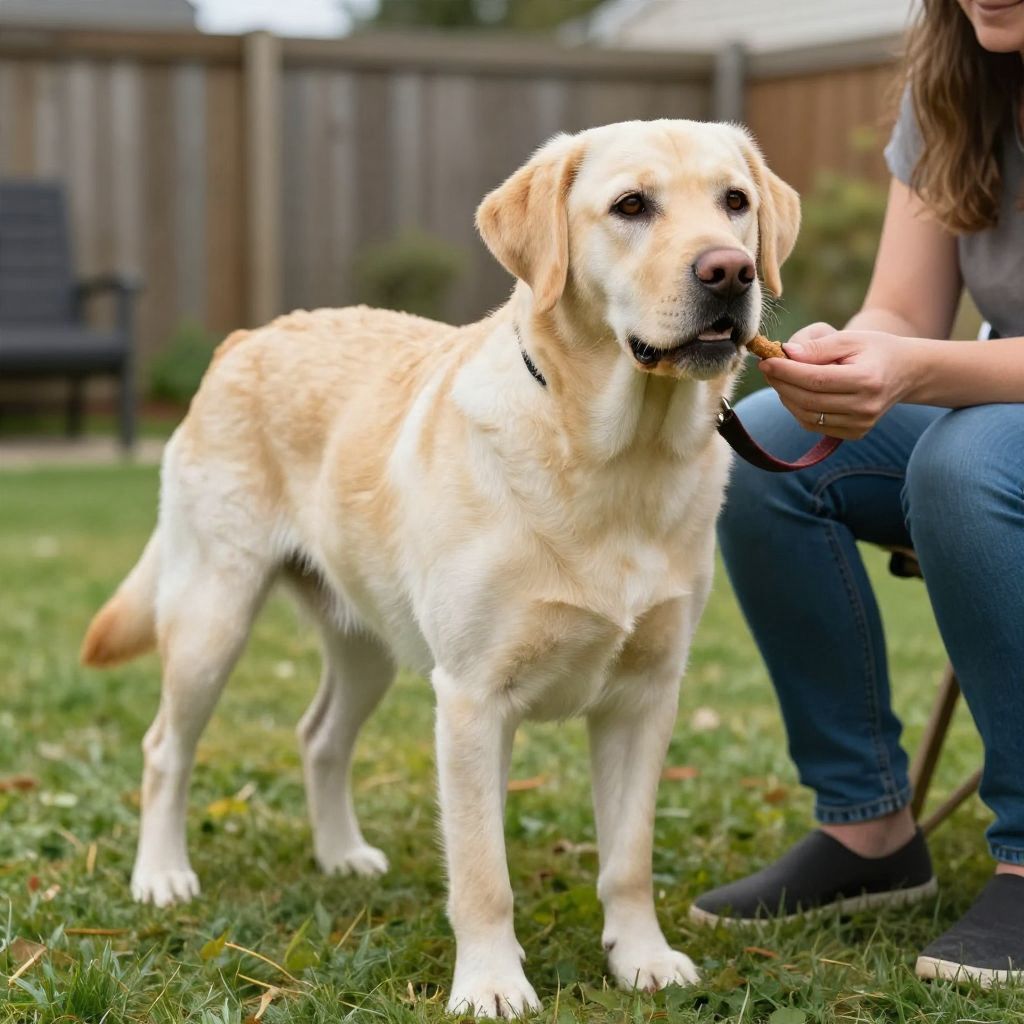
If you’re asking, “What do you call a female dog?” the most common term is bitch. In everyday conversation, many people also say female dog to avoid confusion or sound more polite. The right word depends on context, age, and whether you’re speaking casually, medically, or professionally.
Knowing the correct term can help you communicate clearly with breeders, veterinarians, trainers, and shelters. It also helps you understand dog-care topics such as heat cycles, spaying, behavior, and reproductive health.
What do you call a female dog?
A female dog is called a bitch, which is the traditional and correct canine term. In casual settings, many people simply say female dog. For puppies, you may also hear female puppy or girl puppy, though those are informal descriptions rather than technical terms.
Why the word matters in dog care
Using the right term can make dog-related conversations clearer, especially when discussing breeding, spaying, heat cycles, or veterinary records. It also helps avoid misunderstandings, since “female dog” is precise and respectful in most everyday situations.
In professional settings, you may hear terms like bitch, dam for a mother dog, and spayed female for a dog that has been sterilized. These words are normal in veterinary and breeding contexts, even if they sound unfamiliar outside them.
Common terms you may hear
- Bitch: the correct biological term for an adult female dog.
- Female dog: a clear, neutral everyday phrase.
- Dam: a female dog that has produced puppies.
- Spayed female: a female dog who has had her ovaries, and usually her uterus, surgically removed.
- Girl dog: informal, often used by pet owners, but not a technical term.
When to use “female dog” instead of the other term
Many people prefer “female dog” because it feels more comfortable in conversation. That is perfectly fine. If you’re speaking with a veterinarian or breeder, either term is usually understood, but “female dog” is often the easiest choice if you want to stay neutral.
In writing, “female dog” can also be helpful when you need to avoid ambiguity. For example, if you’re describing a mixed group of dogs, the phrase makes it obvious which animal you mean.
What is different about female dogs?
Female dogs are not automatically calmer, easier, or more affectionate than males. Temperament varies more by individual dog, breed tendencies, early socialization, training, health, and life experience than by sex alone.
That said, female dogs may have sex-specific care needs, especially if they are not spayed. These can include heat cycles, pregnancy risk, and certain reproductive health concerns.
Heat cycles
Unspayed female dogs go through heat cycles, also called estrus. During this time, they may attract male dogs and can become pregnant. Signs can include vaginal discharge, swelling of the vulva, and changes in behavior, but the exact pattern varies from dog to dog.
If you want a deeper look at timing and signs, you may find this helpful: how often female dogs go into heat.
Spaying
Spaying is a common surgical procedure for female dogs. It can prevent heat cycles and pregnancy, and your veterinarian can help you weigh the timing and benefits based on your dog’s age, size, breed, and health.
How to care for a female dog at different life stages
Basic care is similar for male and female dogs, but reproductive status can change what you need to watch for. Your dog’s age, size, and medical history all matter.
Puppies
Female puppies need the same core care as male puppies: proper nutrition, vaccination, socialization, house training, and gentle handling. If you are planning future spaying, ask your veterinarian when it may be appropriate for your puppy’s breed and growth stage.
Adults
Adult female dogs benefit from routine exercise, preventive veterinary care, dental hygiene, and weight management. If she is unspayed, keep track of heat cycles and prevent accidental mating with secure supervision and fencing.
Senior dogs
Older female dogs may develop age-related issues such as arthritis, dental disease, weight changes, and urinary problems. If they are unspayed, any unusual discharge, swelling, or increased drinking and urination should be checked by a veterinarian.
Behavior and training tips for female dogs
Training a female dog is not fundamentally different from training a male dog. The best approach is still reward-based, consistent, and tailored to your dog’s personality and learning style.
- Use short, positive training sessions.
- Reward behaviors you want to see more often.
- Manage the environment to prevent rehearsing unwanted habits.
- Adjust expectations for age, energy level, and confidence.
- Ask a certified trainer or veterinary behaviorist if fear, aggression, or anxiety is affecting daily life.
If your female dog seems unusually restless, clingy, or distracted, think about context first. Heat cycles, pain, illness, stress, or changes in routine can all affect behavior.
Health warning signs that need veterinary attention
Most questions about what to call a female dog are simple, but some female-specific health problems can become serious. Contact a veterinarian promptly if you notice any of the following:
- Foul-smelling vaginal discharge
- Swollen abdomen
- Lethargy, vomiting, or loss of appetite
- Excessive thirst or urination
- Signs of pain when walking, urinating, or being touched
- Sudden behavior changes during or after a heat cycle
Seek urgent veterinary care immediately if your dog has collapse, trouble breathing, a distended belly, repeated vomiting, severe weakness, pale gums, or heavy bleeding. Do not wait to see if these signs improve on their own.
Common mistakes owners make
When caring for a female dog, a few misunderstandings come up often. Avoid these common mistakes:
- Assuming all female dogs are naturally calmer or easier to train.
- Ignoring heat cycle management in an unspayed dog.
- Using punishment-based training instead of positive reinforcement.
- Waiting too long to get veterinary help for unusual discharge or illness.
- Thinking spaying removes the need for normal exercise, enrichment, or training.
How to talk about your dog respectfully
If you prefer not to use the term bitch, that is completely fine. “Female dog” is accurate, respectful, and widely understood. In most day-to-day situations, clarity matters more than using a technical term.
When speaking with a vet, shelter staff, or breeder, you can simply say, “My female dog is…” and continue with the issue you’re describing. That keeps the conversation clear and comfortable.
Quick answer to remember
A female dog is called a bitch, but many people say female dog in everyday conversation. If your dog is unspayed, pay attention to heat cycles and reproductive health, and contact a veterinarian if you notice anything unusual.
If you want more related dog-care reading, you may also find it useful to learn about why a girl dog may hump a boy dog, since behavior can sometimes be linked to hormones, stress, or normal social communication.