
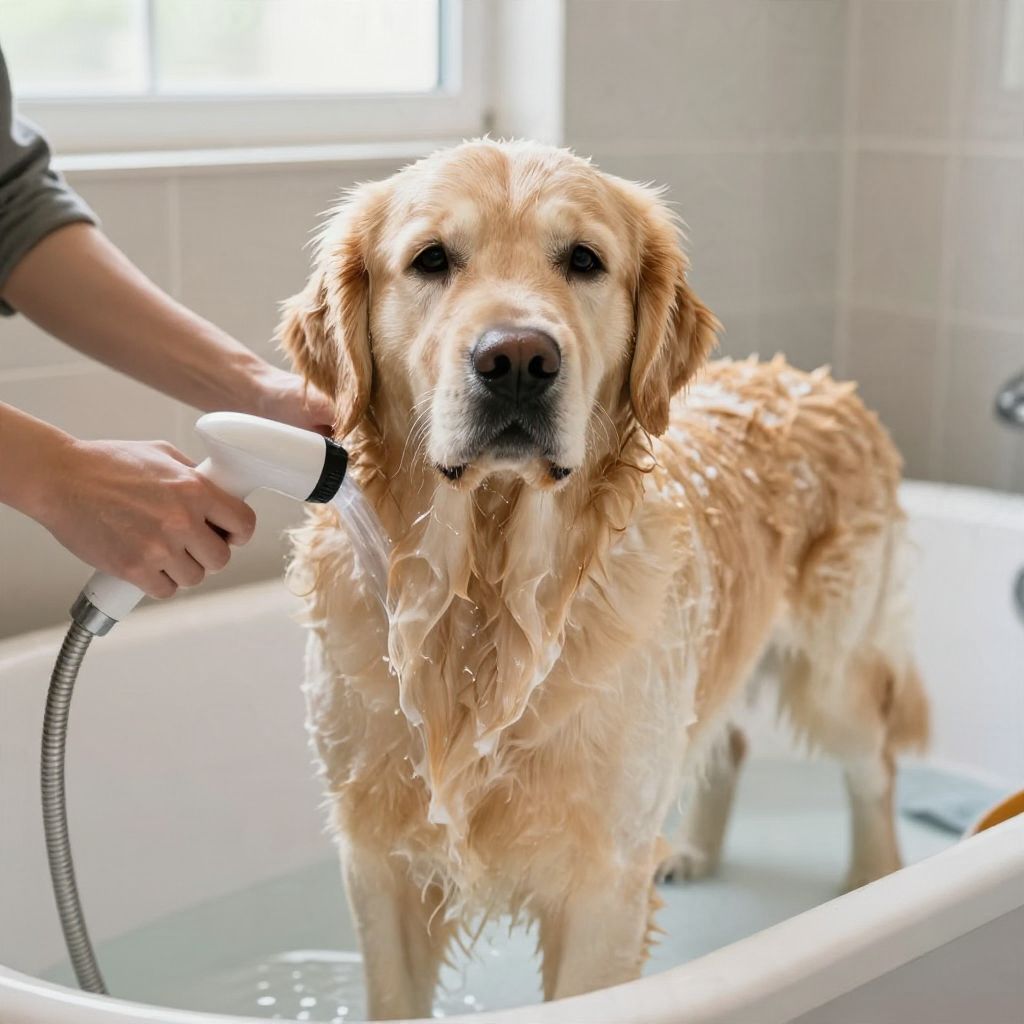
If you’re wondering how often you should wash your dog, the answer depends on coat type, skin health, lifestyle, and how dirty your dog gets. Many dogs do well with bathing every few weeks to a few months, while some need more frequent washes and others need less.
The goal is to keep your dog clean without stripping the coat’s natural oils or irritating the skin. A good bathing schedule should fit your dog’s needs, not a rigid calendar.
How Often Should You Wash Your Dog?
Most dogs can be washed every 4 to 8 weeks, but the right timing varies. Dogs with oily coats, skin conditions, allergies, or a habit of rolling in dirt may need more frequent bathing, while low-odor, low-shedding dogs with healthy skin may need less.
What Affects How Often You Should Bathe Your Dog?
There is no single schedule that works for every dog. Use your dog’s coat, skin, activity level, and health as your guide.
Coat type
- Short-coated dogs often need fewer baths unless they get dirty or smelly.
- Long-coated or curly-coated dogs may need more regular bathing and grooming to prevent tangles and matting.
- Double-coated dogs usually do not need frequent bathing, but they do benefit from regular brushing and occasional baths when needed.
Skin and health
Dogs with allergies, seborrhea, recurrent skin infections, or other dermatologic issues may need a bathing plan from a veterinarian. In those cases, the shampoo choice and bathing frequency matter as much as the bath itself.
Lifestyle and environment
- Dogs that swim, hike, or spend lots of time outdoors may need baths more often.
- City dogs that stay mostly indoors may stay clean longer.
- Dogs that roll in mud, trash, or strong smells may need an extra bath as needed.
Age and temperament
Puppies, seniors, and anxious dogs may need shorter, gentler bathing sessions. The best schedule is one your dog can tolerate calmly and safely.
Signs Your Dog Is Ready for a Bath
Instead of bathing on a fixed date, watch for practical signs that your dog needs one.
- Noticeable odor that brushing does not fix
- Visible dirt, grease, or sticky debris in the coat
- Itching related to dirt or pollen buildup
- Matting, especially behind the ears, under the legs, or around the collar area
- After exposure to something messy or smelly
If your dog suddenly smells much worse than usual, has greasy skin, or develops redness, flakes, or sores, contact your veterinarian. Those signs can point to an underlying skin problem rather than simple dirt.
When More Frequent Baths Can Help
Some dogs benefit from bathing more often than the average pet, but the reason should be specific.
- Allergy-prone dogs may need baths to remove pollen, dust, and other irritants from the coat.
- Dogs with oily coats may get greasy quickly and need more regular cleansing.
- Working or sporting dogs may get dirty enough to need extra baths after heavy activity.
- Dogs with certain skin treatments may need medicated baths under veterinary guidance.
More frequent bathing should still be balanced with skin comfort. If your dog’s coat becomes dry, dull, flaky, or itchy after bathing, the schedule or shampoo may need to change.
When Less Frequent Baths Are Better
Some dogs do fine with very occasional baths. Overbathing can dry the skin, reduce coat quality, and make itching worse in sensitive dogs.
- Healthy dogs with clean coats and little odor may only need baths every couple of months.
- Dogs that are brushed regularly may stay cleaner longer.
- Some breeds and individual dogs naturally have less odor and oil buildup.
If your dog is not dirty and does not smell, you may not need to bathe just because time has passed.
How to Wash Your Dog Safely
A calm, gentle bath is usually better than a rushed one. The process should protect the skin, ears, and eyes while removing dirt effectively.
- Brush your dog first to remove loose hair and tangles.
- Use lukewarm water, not hot water.
- Choose a dog shampoo made for canine skin.
- Wet the coat thoroughly before applying shampoo.
- Massage shampoo into the coat and rinse completely.
- Dry your dog well, especially in thick or long coats.
Do not use human shampoo unless your veterinarian specifically says it is appropriate. Human products can be too harsh for many dogs.
Common Bathing Mistakes to Avoid
- Bathing too often without a reason
- Leaving shampoo residue on the skin
- Using water that is too hot
- Getting water or shampoo in the eyes and ears
- Skipping brushing before the bath when the coat is tangled
- Using strong fragrances or harsh products on sensitive skin
If your dog has mats, do not force a bath before addressing them. Wet mats can tighten and become more painful. Severe matting may need professional grooming or veterinary help.
What About Puppies?
Puppies usually do not need frequent baths unless they get messy. Because young dogs can be more sensitive to cold and stress, keep baths short, warm, and positive.
- Use a puppy-safe or veterinarian-recommended shampoo.
- Dry the puppy thoroughly afterward.
- Keep the experience calm with treats and praise.
If your puppy has skin irritation, parasites, or a strong odor that seems unusual, ask your veterinarian before changing the bathing routine.
What About Senior Dogs?
Older dogs may need bathing help if they have mobility issues, incontinence, or skin changes. Some seniors also have thinner skin and may be more prone to dryness.
Make bathing easier by using nonslip surfaces, keeping sessions brief, and drying thoroughly so your dog does not get chilled.
When Bathing Is Not Enough
Sometimes a bath is not the real solution. If your dog has persistent odor, dandruff, hair loss, redness, ear discharge, or frequent scratching, the problem may be medical.
Contact a veterinarian if you notice:
- Open sores or oozing skin
- Severe itching or constant licking
- Hair loss or bald patches
- Strong odor that returns quickly after bathing
- Ear redness, head shaking, or discharge
- Signs of pain when touched or groomed
Seek urgent veterinary care if your dog has swelling, trouble breathing, collapse, a severe allergic reaction, or a suspected burn or chemical exposure during bathing.
How to Build the Right Bathing Routine
The best routine is the one that keeps your dog comfortable and clean without irritating the skin. Start with your dog’s normal grooming needs, then adjust based on what you observe.
- Brush regularly to reduce dirt and loose coat buildup.
- Bathe only when needed or on a schedule recommended by your vet.
- Use a gentle dog shampoo suited to your dog’s skin.
- Watch for dryness, itchiness, or odor between baths.
- Recheck the schedule if your dog’s lifestyle or health changes.
The Bottom Line
How often you should wash your dog depends on the individual dog, but many healthy dogs do well with baths every 4 to 8 weeks. Let coat type, skin condition, activity level, and odor guide you, and ask your veterinarian if your dog has ongoing skin problems or unusual smell.
If you want to fine-tune your grooming routine, you may also find it helpful to read about how often to bathe a dog and how much to tip a dog groomer.