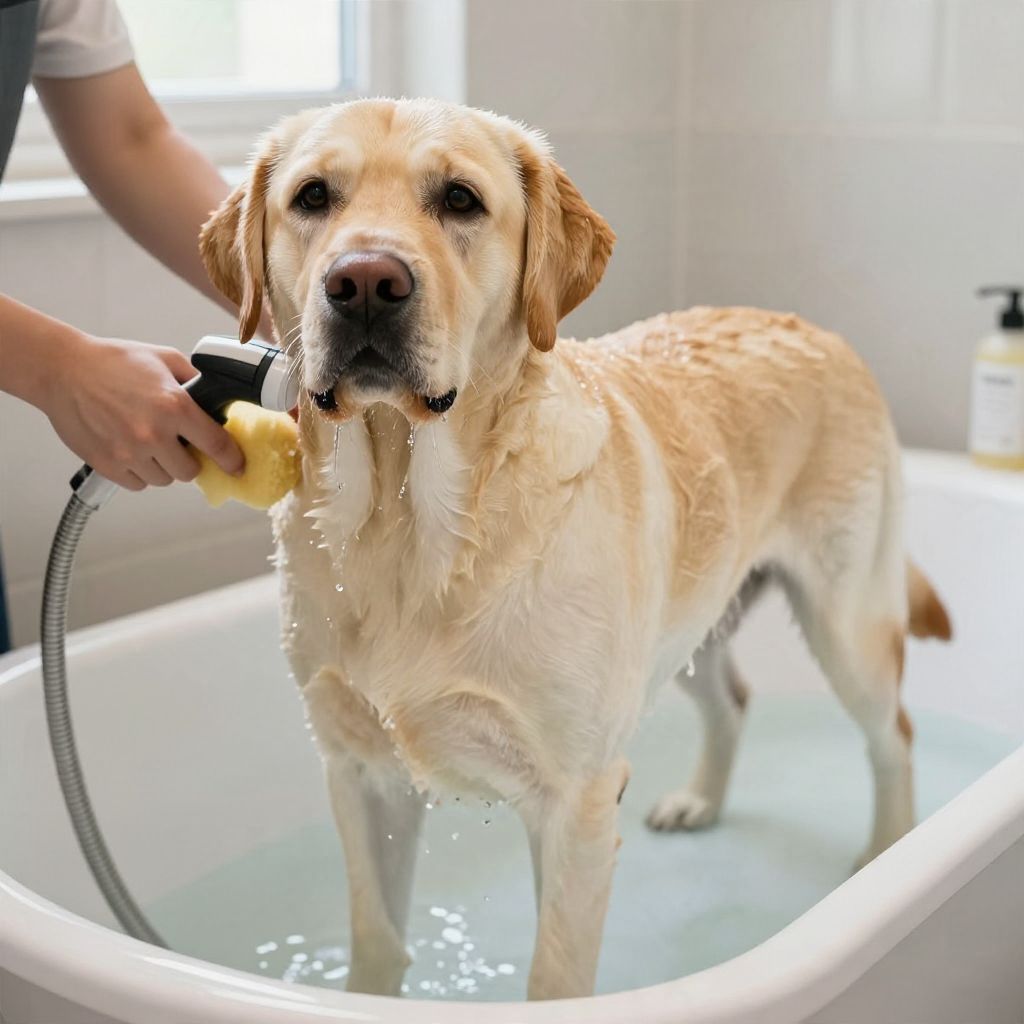
How often should you bathe a dog? For most dogs, every 4 to 8 weeks is a good starting point, but the right schedule depends on coat type, skin health, lifestyle, and how dirty your dog gets. Some dogs need baths more often, while others do better with less frequent bathing.
The goal is clean skin and coat without stripping natural oils. If your dog has itchy skin, a medical condition, or a strong odor that returns quickly, ask your veterinarian whether bathing frequency or shampoo choice should change.
How Often Should You Bathe A Dog?
Most healthy dogs do well with a bath every 4 to 8 weeks. Dogs that swim, roll in dirt, have oily coats, or spend lots of time outdoors may need more frequent bathing, while dogs with dry skin or low activity may need fewer baths. Always adjust for your dog’s coat, skin, and health.
What Affects Bathing Frequency?
There is no single schedule that fits every dog. The right timing depends on several practical factors, and it is normal for two dogs in the same home to need different routines.
- Coat type: Short coats, double coats, curly coats, and hairless coats all have different grooming needs.
- Skin condition: Dogs with dryness, allergies, dandruff, or recurrent infections may need a vet-guided bathing plan.
- Activity level: Dogs that hike, dig, swim, or play in mud usually get dirty faster.
- Age: Puppies, seniors, and dogs with mobility issues may need gentler handling and less frequent full baths.
- Environment: Indoor dogs usually stay cleaner than dogs that spend long hours outside.
- Odor and coat buildup: Some dogs trap more dirt, oil, or debris in the coat.
Coat type matters, but it is not the only factor
Some breeds with oily or fast-growing coats may need more regular grooming, while many short-coated dogs can go longer between baths. However, breed alone does not decide the schedule. Your dog’s skin health and daily habits matter just as much.
Signs Your Dog May Need A Bath Sooner
Instead of following a rigid calendar, watch for signs that your dog needs bathing or at least a thorough rinse and brushing.
- Visible dirt, mud, or debris in the coat
- A noticeable odor that does not go away with brushing
- Greasy or sticky fur
- Itching from environmental dirt or buildup
- Pollen, road grime, or salt on the coat after outdoor time
- Feces, urine, or other contamination on the fur
If your dog suddenly smells much worse than usual, or the odor comes with redness, discharge, or scratching, that can point to a skin or ear problem rather than simple dirt.
When Bathing Less Often Is Better
Bathing too frequently can dry out the skin, especially if you use harsh shampoo or hot water. Some dogs do better with fewer baths and more brushing in between.
- Dry or flaky skin: Frequent washing can worsen dryness.
- Senior dogs: Older dogs may have more sensitive skin and may tire easily during bath time.
- Very low-odor indoor dogs: Some dogs stay clean enough with occasional spot-cleaning.
- Dogs with vet-diagnosed skin issues: The bathing plan may need to be tailored to the condition and shampoo type.
If your dog’s skin seems irritated after baths, the issue may be the product, water temperature, or bathing frequency. A veterinarian can help you adjust the routine safely.
When Bathing More Often May Be Helpful
Some dogs benefit from more frequent baths, especially if their coat or lifestyle makes them collect dirt and allergens quickly.
- Dogs that spend time in mud, grass, or water
- Dogs with oily coats that become greasy quickly
- Dogs that shed heavily and trap loose hair in the coat
- Dogs exposed to pollen or outdoor irritants, if your veterinarian recommends it
- Dogs recovering from certain skin conditions, when a vet has prescribed a bathing plan
Even then, more bathing is not always better. The shampoo, rinse quality, and drying process matter just as much as the schedule.
How To Bathe Your Dog The Right Way
A calm, efficient bath is easier on your dog and better for the skin. Preparation helps prevent stress and makes the process safer.
- Brush out tangles and loose debris before getting the coat wet.
- Use lukewarm water, not hot water.
- Choose a dog-safe shampoo made for canine skin.
- Keep shampoo away from the eyes, nose, and inside the ears.
- Rinse thoroughly until no residue remains.
- Dry your dog well, especially in thick coats and skin folds.
- Reward calm behavior with praise or treats to build a positive routine.
Why brushing before and after baths helps
Brushing before the bath removes loose hair and mats that can tighten when wet. After the bath, brushing can help the coat dry evenly and reduce tangles, especially in long or curly coats.
Common Bathing Mistakes To Avoid
Many bathing problems come from small mistakes that are easy to fix. Avoiding these can protect your dog’s skin and make grooming less stressful.
- Using human shampoo: It may be too harsh for dog skin.
- Bathing too often: This can dry the coat and skin.
- Not rinsing well: Shampoo residue can cause irritation.
- Using very hot water: It can make skin discomfort worse.
- Skipping drying: Damp coats can trap moisture and odor.
- Forcing a scared dog: This can make future baths harder and more stressful.
If your dog hates baths, work gradually. Short, positive practice sessions are often more effective than trying to “push through” a full bath.
How Often Should You Bathe A Puppy?
Puppies usually need fewer baths than many adult dogs, unless they get messy or have a medical reason for more frequent cleaning. Their skin can be more delicate, so gentle handling and puppy-safe products matter.
- Use a mild dog shampoo if your veterinarian says bathing is appropriate.
- Keep baths short and calm.
- Dry the puppy thoroughly to help prevent chilling.
- Focus on positive experiences so grooming feels safe.
If a puppy has diarrhea, gets into something sticky, or has skin redness, ask your vet whether bathing is the best option and what product is safest.
How Often Should You Bathe A Senior Dog?
Senior dogs may need baths less often if their skin is dry or sensitive, but some older dogs need extra help staying clean because of reduced mobility, incontinence, or coat care challenges. The best schedule depends on comfort and health.
For older dogs, make the bath area easy to enter and exit. Non-slip surfaces, gentle water pressure, and shorter sessions can reduce stress and help prevent slips.
When A Bath Problem May Be A Health Issue
Sometimes the question is not how often to bathe, but why your dog seems dirty, smelly, or itchy so often. Persistent problems can signal an underlying issue.
Contact your veterinarian if you notice:
- Strong odor that returns quickly after bathing
- Redness, sores, scabs, or hair loss
- Frequent scratching, licking, or chewing
- Greasy skin, dandruff, or flaky patches
- Ear odor or discharge along with skin problems
- Bath-related anxiety that makes grooming unsafe
Seek urgent veterinary care if your dog has facial swelling, trouble breathing, widespread hives, collapse, severe lethargy, open wounds with heavy discharge, or sudden severe skin reactions after a bath or grooming product.
Simple Ways To Keep Your Dog Cleaner Between Baths
Bathing is only one part of coat care. Regular maintenance can reduce how often your dog needs a full wash.
- Brush your dog on a schedule that matches the coat type.
- Wipe muddy paws and belly after outdoor walks.
- Rinse small dirty spots instead of bathing the whole dog.
- Keep bedding clean so the coat stays fresher longer.
- Trim hair around the paws and sanitary areas if appropriate for the coat and your grooming skills.
These habits can help you stretch the time between baths without letting dirt or odor build up.
Bottom Line: How Often Should You Bathe A Dog?
For most dogs, bathing every 4 to 8 weeks is a practical starting point, then adjust based on coat type, activity, and skin health. If your dog gets dirty quickly, needs medical skin care, or seems irritated after baths, talk with your veterinarian about a better routine.
If you want to keep learning about everyday dog care, you may also find it helpful to read about why dogs lick their paws and other common grooming concerns. For broader breed and care guides, visit Online Dog Breeds.