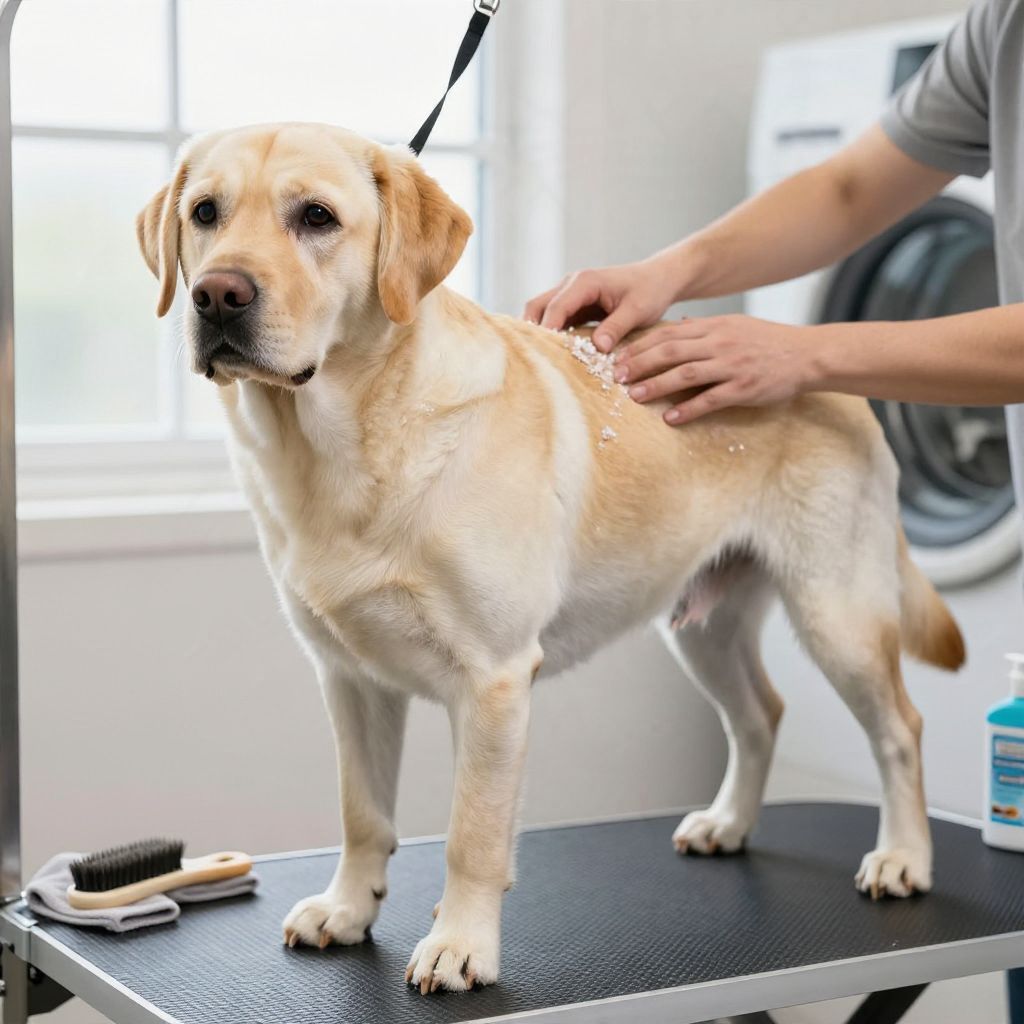
Why does my dog have dandruff? In many dogs, those white flakes are a sign of dry skin, grooming issues, or an underlying skin problem. Sometimes it is minor and easy to manage, but dandruff can also point to allergies, parasites, infection, or another health concern.
The key is to look at the whole picture: itchiness, redness, odor, hair loss, and your dog’s overall health. If the flakes are persistent or your dog seems uncomfortable, a veterinarian can help find the cause and the right treatment.
Why does my dog have dandruff?
Dandruff in dogs usually means the skin is shedding more than normal. Common causes include dry air, infrequent or excessive bathing, poor coat care, allergies, parasites, skin infections, or medical conditions that affect the skin and coat. If your dog is also itchy, smelly, or losing hair, a vet exam is a good next step.
Common causes of dandruff in dogs
Dry skin and environmental changes
Low humidity, indoor heating, cold weather, and frequent exposure to dry air can all make a dog’s skin flaky. Some dogs are simply more prone to dry skin than others, especially if they have a short coat or spend a lot of time indoors.
You may notice small white flakes on the coat, but little else. If the skin is not red or itchy, dryness may be the main issue.
Bathing too often or using the wrong shampoo
Overbathing can strip natural oils from the skin. Human shampoos, harsh soaps, or heavily scented products may also irritate a dog’s skin and worsen flaking.
On the other hand, some dogs need regular bathing for skin health or to remove allergens. The right bathing schedule depends on your dog’s coat, skin condition, and lifestyle.
Allergies
Dogs can develop skin allergies to things like environmental allergens, fleas, or ingredients in food. Allergies often cause more than dandruff. You may also see itching, licking, chewing, ear problems, redness, or recurrent skin infections.
Because allergy signs overlap with many other skin problems, a veterinarian may need to rule out parasites and infection before deciding on the best plan.
Parasites such as fleas or mites
Fleas can trigger intense itching and skin irritation, even if you do not immediately see them. Mites can also cause flaking, crusts, hair loss, and discomfort. Some mite problems are contagious to other pets, so prompt diagnosis matters.
If your dog is scratching a lot, has patchy hair loss, or seems restless, don’t assume it is just dry skin.
Skin infections
Bacterial or yeast infections can develop when the skin barrier is damaged by allergies, moisture, or scratching. These infections may cause dandruff along with odor, greasy skin, redness, pimples, or scabs.
Infections usually need veterinary treatment. Home care alone often is not enough.
Poor nutrition or an unbalanced diet
A complete, balanced diet supports healthy skin and coat. If your dog is eating an unbalanced homemade diet, has a poor appetite, or has another illness that affects nutrient absorption, coat quality can suffer.
Do not try to “fix” dandruff by adding random supplements or human foods without guidance. Some dogs benefit from dietary changes, but the right approach depends on the cause.
Underlying medical conditions
Hormonal disorders, chronic illness, and some genetic or inherited skin conditions can contribute to dandruff. These problems may also cause weight changes, lethargy, coat thinning, or recurrent infections.
If the dandruff is ongoing or comes with broader health changes, a veterinary workup is important.
What to look for besides flakes
White flakes alone are not always an emergency, but they can be a clue. Pay attention to whether your dog also has:
- Itching, licking, or chewing
- Red, inflamed, or greasy skin
- Hair loss or thinning coat
- Bad odor from the skin
- Scabs, sores, or crusts
- Ear infections or head shaking
- Behavior changes such as restlessness or irritability
The more of these signs you see, the more likely there is an underlying problem that needs treatment.
What you can do at home
For mild dandruff without other symptoms, simple care changes may help. Focus on skin support rather than trying multiple products at once.
- Brush your dog regularly. Brushing removes loose flakes, spreads natural oils, and helps you spot skin changes early.
- Use a dog-safe shampoo. Choose a gentle product made for dogs, especially if your pet has sensitive skin.
- Avoid overbathing. Bathing too often can dry the skin. Follow your veterinarian’s advice if your dog has a skin condition.
- Improve indoor humidity if needed. Dry indoor air can worsen flaking, especially in winter.
- Check parasite prevention. Make sure your dog is on a vet-recommended flea and tick prevention plan.
- Review diet quality. Feed a complete and balanced dog food that fits your dog’s age and health needs.
- Watch for triggers. Note whether flaking gets worse after certain foods, seasons, baths, or outdoor exposure.
What not to do
Some well-meant fixes can make skin problems worse. Avoid these common mistakes:
- Using human shampoo, dish soap, or harsh cleaners on your dog
- Scrubbing the skin aggressively during baths
- Applying essential oils or home mixtures without veterinary guidance
- Ignoring persistent itching, redness, or odor
- Starting supplements or medicated products without knowing the cause
If your dog’s skin is already irritated, “more cleaning” is not always better.
When dandruff needs a veterinarian
Make a veterinary appointment if the dandruff lasts more than a short time, keeps returning, or comes with itching, hair loss, redness, odor, or scabs. A vet can check for parasites, infection, allergies, and other causes that are not visible at home.
Seek urgent veterinary care if your dog has severe itching, open sores, swelling, sudden widespread hair loss, lethargy, fever, pain, or a rapidly worsening skin problem. These signs can mean a serious infection or another medical issue that should not wait.
How a vet may diagnose the cause
Because dandruff is a symptom, not a diagnosis, the vet may ask about your dog’s diet, grooming routine, environment, and any changes in behavior or health. They may also examine the skin and coat closely.
Depending on the case, your vet may recommend:
- Skin scrapings or other parasite checks
- Tests for bacterial or yeast infection
- Flea control review
- Diet history or elimination diet guidance
- Additional testing for hormonal or internal disease
The right treatment depends on what is actually causing the flakes.
Does breed, age, or coat type matter?
Yes, but not in a one-size-fits-all way. Some dogs with thick coats may trap more dead skin and benefit from more frequent brushing, while short-coated dogs may show flakes more clearly. Puppies, adults, and senior dogs can all get dandruff, but older dogs may be more likely to have underlying health issues that affect the skin.
Individual skin sensitivity matters more than breed labels alone. Two dogs of the same breed can have very different grooming and medical needs.
Simple routine to help prevent recurring dandruff
If your dog tends to get flaky skin, a steady routine often helps more than occasional “fixes.”
- Brush on a regular schedule suited to the coat
- Bathe only as needed with a dog-safe product
- Keep up with parasite prevention
- Feed a balanced diet consistently
- Monitor for seasonal flare-ups or new irritants
- Schedule vet care early if symptoms return
Consistent care makes it easier to notice when something has changed.
Bottom line
Why does my dog have dandruff? Most often, it is linked to dry skin, grooming habits, allergies, parasites, infection, or another health issue. Mild flaking may improve with better coat care, but persistent dandruff or any signs of discomfort should be checked by a veterinarian.
If you want to learn more about related skin and coat issues, you may also find why dogs shed so much and how mange affects dogs helpful.