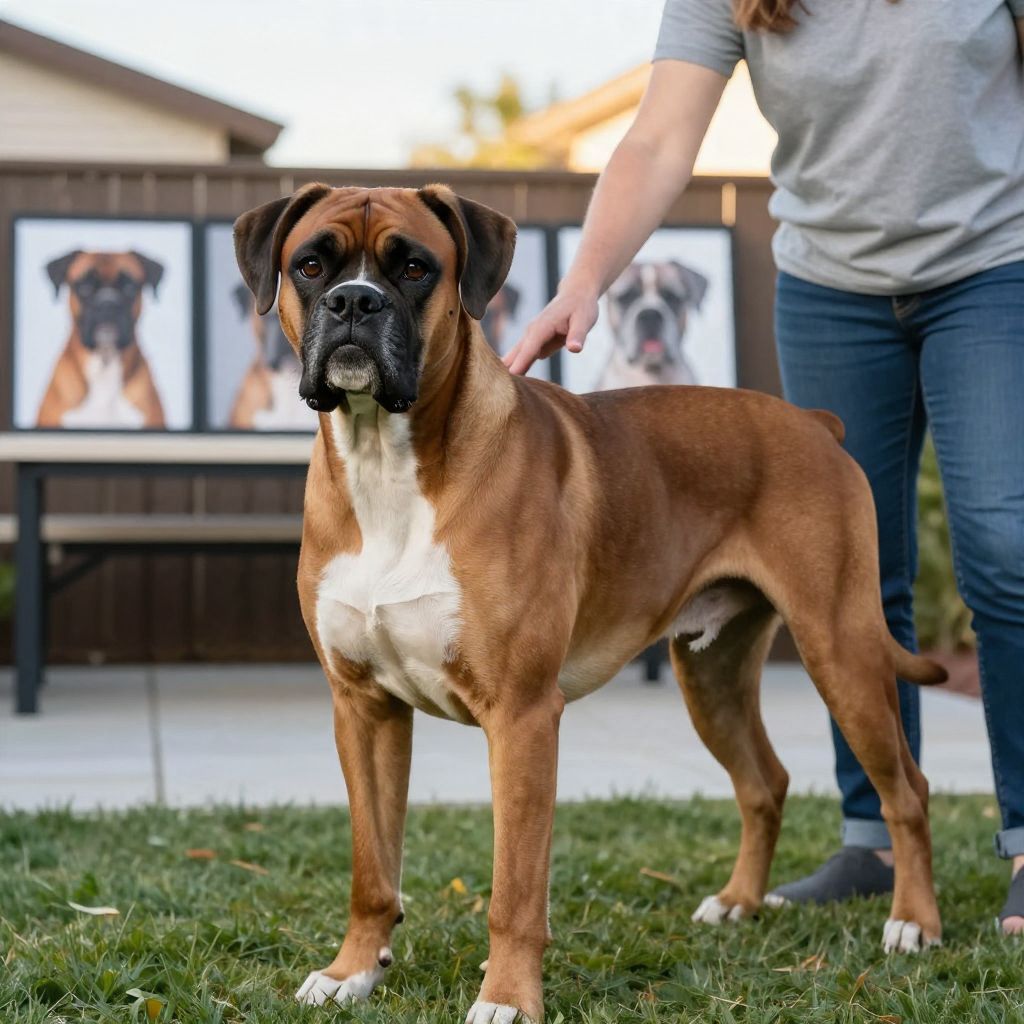
How long do Boxers live? Most Boxers live about 10 to 12 years, though some live shorter or longer depending on genetics, health care, diet, exercise, and luck. Like any breed, an individual Boxer’s lifespan can vary a lot.
If you want to know what to expect, it helps to look at the Boxer’s life stages, common health risks, and the care that can support a longer, healthier life. Knowing the warning signs early can make a real difference.
How long do Boxers live?
Boxers typically live around 10 to 12 years. Some reach 13 years or more with good care, while others may develop serious health problems earlier. Lifespan depends on factors such as inherited disease risk, body condition, activity level, veterinary care, and how quickly health concerns are addressed.
What affects a Boxer’s lifespan?
There is no single answer for every dog. A Boxer’s lifespan is shaped by a mix of genetics, environment, and day-to-day care.
- Genetics: Some Boxers are more likely to develop certain heart, cancer, or neurological conditions.
- Body weight: Staying lean can reduce strain on joints, heart, and metabolism.
- Veterinary care: Routine exams can catch problems before they become advanced.
- Diet and exercise: Balanced nutrition and regular activity support overall health.
- Spay/neuter timing and overall health history: These can influence certain risks, but the effect varies by dog.
Even within the same breed, two Boxers can age very differently. One may stay active into old age, while another may need chronic care much earlier.
Boxer life stages: what to expect over time
Puppy to young adult
Young Boxers are usually energetic, playful, and eager to interact. This is the best time to build habits that support lifelong health, including socialization, basic training, and regular vet care.
- Schedule puppy vaccines and parasite prevention with your veterinarian.
- Use reward-based training to build manners and confidence.
- Keep exercise age-appropriate; avoid overdoing high-impact activity in growing dogs.
Adult years
Adult Boxers often remain active and affectionate, but many are prone to weight gain if exercise drops or treats add up. Regular checkups help monitor heart health, skin issues, dental disease, and any changes in energy or breathing.
Senior years
Many Boxers begin to slow down in their later years. You may notice less stamina, stiffness, sleep pattern changes, or a greater need for rest after activity. Senior care should focus on comfort, mobility, and early detection of disease.
Common health concerns that can affect Boxer longevity
Boxers are known for several health conditions that can shorten lifespan or reduce quality of life. Not every Boxer will develop these problems, but they are important to watch for.
Heart disease
Boxers can be at risk for certain heart conditions, including rhythm problems. Warning signs may include fainting, exercise intolerance, coughing, weakness, or sudden collapse. These signs need veterinary attention.
Cancer
Some cancers are seen more often in Boxers than in many other breeds. Lumps, unexplained weight loss, reduced appetite, swelling, bleeding, or persistent lethargy should not be ignored.
Digestive emergencies
Like many deep-chested dogs, Boxers can be vulnerable to bloat, also called gastric dilatation-volvulus. This is a life-threatening emergency. Signs include a swollen abdomen, retching without bringing anything up, restlessness, drooling, and distress. Seek urgent veterinary care immediately.
Neurological and skin issues
Some Boxers may experience seizures or chronic skin allergies. Repeated itching, ear infections, hair loss, or sudden behavior changes deserve a veterinary exam because they can signal an underlying problem.
How to help a Boxer live longer
You cannot control every risk, but you can improve the odds of a longer, healthier life with consistent care.
- Keep your Boxer lean. Ask your veterinarian what a healthy body condition looks like for your dog.
- Feed a complete, balanced diet. Choose food that matches your dog’s age and activity level.
- Provide daily exercise. Most Boxers do well with regular walks, play, and mental enrichment.
- Use preventive veterinary care. Stay current on vaccines, parasite control, dental care, and wellness exams.
- Monitor changes early. Appetite, energy, breathing, coughing, lumps, and bathroom habits can reveal early disease.
Consistency matters more than perfection. A Boxer that stays at a healthy weight, gets regular checkups, and has problems addressed early often has a better chance of aging well.
Nutrition and weight management for Boxer health
Food does not guarantee a longer life, but it can support better health over time. Boxers do best with a balanced diet that fits their life stage and activity level.
- Measure meals instead of free-feeding if weight gain is a concern.
- Limit calorie-dense treats and table scraps.
- Ask your vet before changing diets if your Boxer has allergies, digestive issues, or a chronic illness.
- Make sure fresh water is always available.
If your Boxer is losing weight, eating less, or suddenly acting picky, do not assume it is just aging. Those changes can point to dental disease, pain, nausea, or another medical issue.
Exercise, training, and mental enrichment
Boxers are typically active dogs that benefit from both physical and mental work. The right amount of exercise can help maintain muscle, support joint health, and reduce boredom-related behavior problems.
Safe activity ideas
- Leashed walks at a comfortable pace
- Fetch with rest breaks
- Food puzzles and scent games
- Short training sessions using treats and praise
Avoid pushing an overheated or exhausted Boxer too hard, especially in warm weather. Heavy panting, stumbling, weakness, or collapse are urgent warning signs.
When a Boxer is entering the senior years
Senior Boxers may need more support than younger adults, even if they still seem eager to play. Mobility changes, hearing or vision loss, and chronic illness can develop gradually.
- Use non-slip rugs if floors are slippery.
- Provide orthopedic bedding if your dog seems stiff.
- Keep routines predictable to reduce stress.
- Ask your vet about pain management if your dog is reluctant to jump, climb stairs, or rise from rest.
Older dogs should not simply be written off as “slowing down.” Pain, heart disease, and other conditions are common and often manageable when caught early.
Red flags that need a veterinarian right away
Some symptoms should never wait for a routine appointment. Contact a veterinarian urgently if your Boxer has any of the following:
- Collapse or fainting
- Difficulty breathing
- Swollen abdomen with retching
- Sudden weakness or inability to stand
- Seizures
- Bleeding that will not stop
- Repeated vomiting or severe diarrhea
- Sudden severe pain
- Blue, pale, or very dark gums
If your dog is struggling to breathe, collapses, or shows signs of bloat, treat it as an emergency and go to the nearest veterinary hospital immediately.
What you can realistically expect
For many families, the answer to “How long do Boxers live?” is a middle-aged-to-senior timeline rather than a very long one. That does not mean a Boxer cannot have a full, happy life. It means prevention, early detection, and good daily care matter a lot.
With attentive care, many Boxers remain playful companions for years. Your best strategy is to stay alert to changes, keep up with veterinary visits, and act quickly when something seems off.
If you want to compare lifespan expectations across breeds, you may also find it helpful to read about how long Rottweilers live for a similar large-breed perspective.
In short, most Boxers live about 10 to 12 years, and the best way to support a longer life is to keep your dog lean, active, and closely monitored by a veterinarian. If you notice any sudden change in breathing, energy, appetite, or movement, get help promptly.