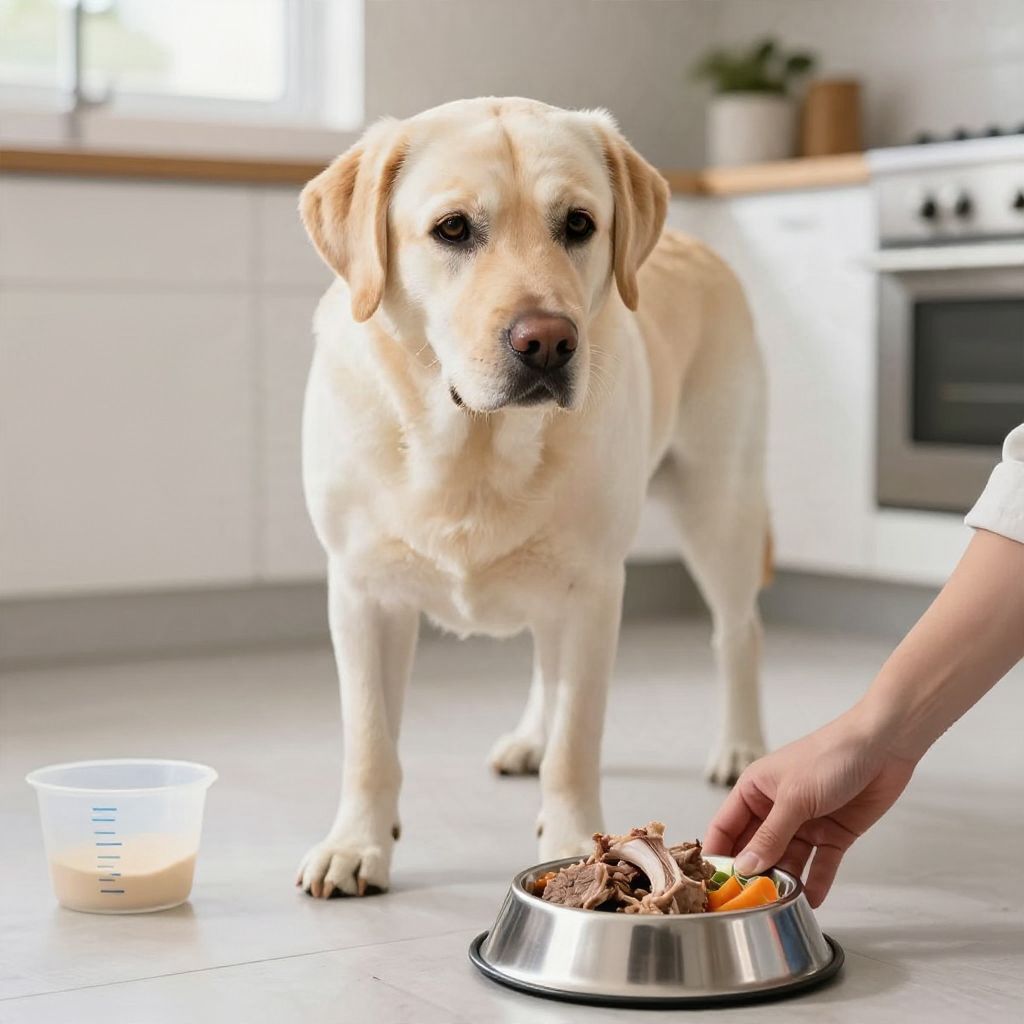
Can dogs eat lamb? In many cases, yes—plain, fully cooked lamb can be a safe protein for dogs when served in small amounts and prepared properly. It should be an occasional treat or meal topper, not a replacement for a balanced dog food.
The main concerns are seasoning, fat, bones, and how your individual dog tolerates rich meats. If your dog has pancreatitis, a sensitive stomach, food allergies, or another health issue, check with your veterinarian first.
Can dogs eat lamb?
Yes, dogs can eat plain lamb in moderation if it is cooked thoroughly, unseasoned, and free of bones, garlic, onions, and heavy fat. Many dogs digest lamb well, but rich cuts, large portions, or seasoned leftovers can cause stomach upset or more serious problems in some dogs.
When lamb is safe for dogs
Lamb can be a safe protein source when you keep it simple. Think plain meat, not a restaurant-style meal or seasoned roast.
Safe ways to serve lamb
- Cook it fully so harmful bacteria are killed.
- Remove bones before serving.
- Trim excess fat to reduce the risk of digestive upset.
- Keep it unseasoned and avoid sauces or marinades.
- Offer small pieces as a treat or topper.
Plain ground lamb, lean roasted lamb, or boiled lamb meat can be easier to portion than fatty cuts. If you are using lamb as part of a homemade diet, it should be balanced by a veterinary nutrition professional rather than fed on its own long term.
Why some dogs do well with lamb
Lamb is a protein source that some dogs tolerate well, especially if they do not do well on chicken or beef. That said, “tolerate well” varies by individual dog, and a food that suits one dog may upset another.
- Some dogs digest lamb easily.
- Some dogs may still react to lamb if they have a food allergy or sensitivity.
- Dogs with sensitive stomachs may need very small portions first.
What parts of lamb are unsafe for dogs?
Not every lamb product is dog-friendly. The biggest risks come from bones, fat, seasoning, and processed lamb foods.
Lamb bones
Cooked lamb bones are unsafe because they can splinter and cause choking, mouth injuries, intestinal blockage, or perforation. Even raw bones can be risky depending on the size of the dog, how aggressively they chew, and whether the bone is swallowed in pieces.
If you want more detail on this topic, see can dogs eat lamb bones.
Fatty cuts and trimmings
Large amounts of fat can trigger vomiting, diarrhea, or pancreatitis in susceptible dogs. This is especially important for dogs with a history of digestive problems, overweight dogs, and dogs that have had pancreatitis before.
Seasoned or processed lamb
- Garlic and onions are unsafe for dogs.
- Salt-heavy seasonings can be a problem.
- Sauces and gravies may contain harmful ingredients or too much fat.
- Processed lamb products like sausages or deli meats often include additives that are not dog-safe.
How much lamb can dogs eat?
There is no universal amount that fits every dog. Portion size depends on your dog’s size, age, activity level, and overall diet. As a general rule, treats and extras should stay small and should not unbalance a complete dog food diet.
Practical portion tips
- Start with a very small piece if your dog has never had lamb before.
- Watch for vomiting, diarrhea, gas, itching, or ear irritation over the next day or two.
- If your dog does well, keep lamb as an occasional treat rather than a daily staple.
- Reduce other treats that day so you do not overfeed.
For small dogs, even a few bites can be enough. For larger dogs, a slightly bigger portion may still be appropriate if it fits within their calorie needs, but lamb should still be treated as an extra, not a main food.
Can puppies eat lamb?
Puppies can usually eat small amounts of plain, fully cooked lamb if it is prepared safely. However, puppies have sensitive digestive systems, and rich or fatty foods can upset them more easily than adult dogs.
If you are feeding a puppy, keep the portion tiny and simple. Avoid bones, seasoning, and greasy scraps. If your puppy has diarrhea, vomiting, or poor appetite after eating lamb, contact your veterinarian.
Can senior dogs eat lamb?
Many senior dogs can eat lamb, but older dogs may be more likely to have pancreatitis, dental issues, kidney disease, or a more delicate digestive system. That means preparation matters even more.
For senior dogs, choose lean, soft, plain lamb in small pieces. If your older dog has a medical condition or is on a prescription diet, ask your vet before adding lamb, because even a small change can affect their nutrition plan.
Health conditions that may make lamb a bad choice
Some dogs should avoid lamb or only eat it with veterinary guidance. The issue is not lamb itself being “toxic,” but whether it fits the dog’s medical needs.
- Pancreatitis history: fatty foods can be risky.
- Food allergies or sensitivities: lamb may or may not be tolerated.
- Chronic gastrointestinal disease: new proteins can trigger flare-ups.
- Obesity: extra treats can add unwanted calories quickly.
- Kidney or other diet-restricted conditions: ask your vet before changing foods.
If your dog is on a therapeutic diet, do not add lamb without checking first. Even “healthy” table foods can interfere with a treatment plan.
Signs your dog did not tolerate lamb well
Some dogs eat lamb without any issue, while others may develop mild digestive upset or a more serious reaction. Watch your dog closely after the first few servings.
Common mild signs
- Loose stool or diarrhea
- Vomiting
- Gas or abdominal discomfort
- Reduced appetite for a short time
Red flags that need veterinary care
- Repeated vomiting
- Bloated or painful abdomen
- Lethargy or weakness
- Blood in vomit or stool
- Difficulty breathing
- Choking, gagging, or trouble swallowing
- Signs of dehydration
If your dog ate a cooked bone, a greasy lamb dish, or something with onion or garlic, call your veterinarian or an emergency clinic right away. Do not wait for symptoms to worsen.
How to prepare lamb for dogs
The safest approach is simple preparation and careful serving. You do not need to make lamb fancy for your dog to enjoy it.
- Choose a lean cut if possible.
- Cook it thoroughly.
- Do not add onion, garlic, heavy salt, or spices.
- Remove all bones and excess fat.
- Cut it into small, manageable pieces.
- Serve a small amount and observe your dog afterward.
Boiling or baking plain lamb is often easier to control than frying or roasting with seasoning. If you are using lamb as a training reward, cut it into tiny pieces so you can reward often without overfeeding.
Common mistakes to avoid
- Feeding lamb bones because they seem “natural”
- Giving seasoned leftovers from your plate
- Offering fatty trimmings or skin
- Using lamb as a major part of the diet without balance
- Ignoring vomiting or diarrhea after a new food
- Assuming all dogs can eat lamb the same way
Remember that a dog’s age, size, medical history, and daily diet all matter. A treat that is fine for one dog may be a poor choice for another.
Is lamb good for dogs with allergies?
Lamb is sometimes used in limited-ingredient diets, but that does not mean it is automatically hypoallergenic. A dog can be allergic to lamb just as it can be allergic to chicken, beef, or other proteins.
If you suspect a food allergy, work with your veterinarian before trying elimination diets at home. Skin itching, ear infections, paw licking, and chronic digestive upset can have many causes, so a proper plan matters.
When to call the vet
Contact your veterinarian if your dog has ongoing digestive upset after eating lamb, if you are unsure whether the lamb was safe, or if your dog has a medical condition that affects diet. This is especially important for puppies, seniors, and dogs on prescription food.
Seek urgent help if your dog may have swallowed a bone, is choking, is repeatedly vomiting, has a swollen belly, or seems unusually weak or painful. Those are not situations to monitor at home.
Bottom line
Can dogs eat lamb? Yes, if it is plain, fully cooked, boneless, and served in moderation. The safest choice is a small amount of lean lamb with no seasoning, no sauce, and no fatty scraps. If your dog has a health condition or reacts badly, ask your vet before offering it again.
If you want to keep learning about lamb safety for dogs, you may also find it helpful to read more about can dogs eat lamb and related feeding safety topics.