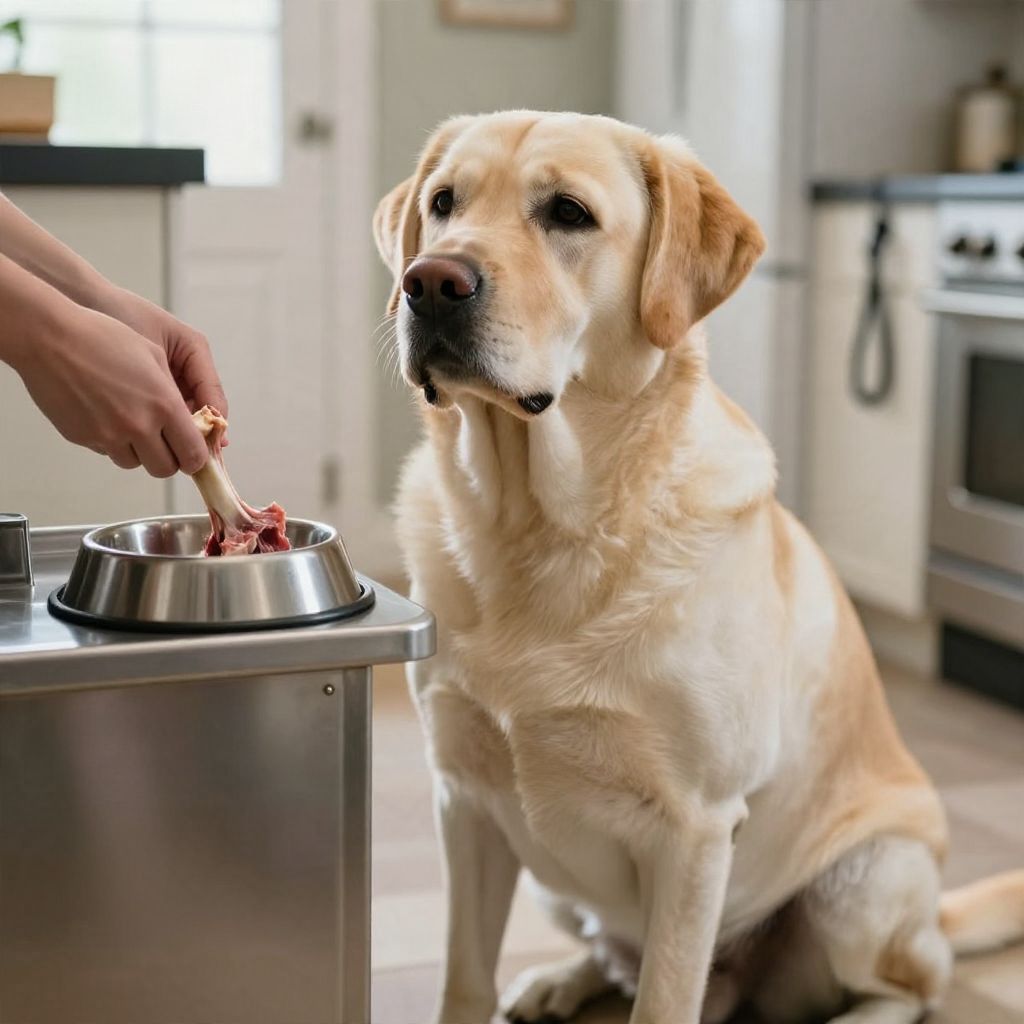
Can dogs have steak bones? Usually, it’s safest to say no, especially if the bones are cooked. Steak bones can splinter, crack teeth, or cause choking and internal injury. Even raw bones carry risks, so the safest choice depends on your dog’s size, chewing style, and health.
If you want to give your dog a chew or a meaty treat, there are safer options than steak bones. Below, you’ll learn what the real risks are, when a bone might be especially dangerous, and what to do if your dog already ate one.
Can Dogs Have Steak Bones?
Most dogs should not have steak bones, particularly cooked ones. Cooked steak bones can splinter and cause choking, mouth injuries, blockages, or tears in the digestive tract. Raw bones are less likely to splinter, but they still can break teeth, carry bacteria, or get stuck.
Why Steak Bones Can Be Dangerous
Steak bones may seem like a natural chew, but they are not risk-free. The problem is not just the bone itself; it is also how your dog chews, swallows, and digests it.
Cooked steak bones are the biggest concern
Cooking makes bones harder and more brittle. That increases the chance they will splinter into sharp pieces when chewed.
- Choking hazard: Pieces can lodge in the throat.
- Dental damage: Hard bones can crack teeth or injure the gums.
- Internal injury: Sharp fragments may scrape or puncture the mouth, stomach, or intestines.
- Blockage risk: Large pieces can get stuck in the esophagus or intestines.
Raw steak bones are not automatically safe
Raw bones are sometimes considered less likely to splinter, but they still come with real risks. A dog may swallow a piece too large to pass safely, or a hard bone may damage teeth.
- Bacterial contamination: Raw meat and raw bones can carry harmful bacteria.
- Broken teeth: Strong chewers may fracture a tooth on a hard bone.
- Digestive upset: Some dogs vomit, strain, or develop constipation after eating bone material.
Which Dogs Are at Higher Risk?
Any dog can be injured by a steak bone, but some dogs are more likely to have trouble. Risk depends on the individual dog, not just breed.
- Puppies: Their teeth and digestive systems are still developing, and they may gulp pieces down.
- Small dogs: A bone that seems manageable to you may be too large or too hard for a smaller mouth.
- Power chewers: Dogs that crush objects can break teeth more easily.
- Dogs who swallow fast: Some dogs try to eat bones quickly instead of chewing carefully.
- Senior dogs: Older dogs may have worn teeth, dental disease, or slower digestion.
- Dogs with medical issues: Dogs with a history of vomiting, pancreatitis, constipation, or intestinal surgery may be more vulnerable.
What Happens If a Dog Eats a Steak Bone?
Some dogs pass small bone fragments without obvious problems, but you should not assume everything is fine. A swallowed bone can cause symptoms right away or several hours later.
Watch for these warning signs
- Choking, gagging, or repeated coughing
- Drooling, pawing at the mouth, or trouble swallowing
- Vomiting or repeated retching
- Abdominal pain, hunching, or restlessness
- Loss of appetite
- Constipation, straining, or very small stools
- Blood in vomit or stool
- Lethargy or weakness
Seek urgent veterinary care immediately if your dog is choking, cannot breathe normally, has a swollen abdomen, is repeatedly vomiting, or seems painful and unable to settle. These can be emergencies.
What To Do If Your Dog Already Ate a Steak Bone
Do not try to make your dog vomit unless a veterinarian specifically tells you to. Depending on the bone size, shape, and whether it was cooked, vomiting could cause more harm on the way back up.
- Stay calm and remove any remaining bone pieces from reach.
- Check your dog’s mouth only if it is safe to do so.
- Call your veterinarian or an emergency clinic right away for guidance.
- Tell them whether the bone was cooked or raw, how much was eaten, and when it happened.
- Monitor for symptoms, but do not wait if your dog is showing red-flag signs.
Your vet may recommend an exam, imaging, or monitoring based on your dog’s size, symptoms, and the type of bone involved. Follow their instructions closely.
Are Raw Steak Bones Ever Okay?
Some owners choose raw bones, but “okay” depends on the individual dog and the exact bone. Even then, raw bones should be treated as a higher-risk treat, not a routine snack.
If your veterinarian says a bone is acceptable
Ask for specific guidance on size, type, and supervision. A bone should be large enough that your dog cannot swallow it whole, and it should be removed before it becomes small enough to gulp.
- Supervise your dog the entire time.
- Discard the bone when it becomes small or sharp.
- Do not give bone treats to dogs who aggressively gulp food.
- Stop use if your dog develops vomiting, diarrhea, constipation, or mouth pain.
Even with supervision, raw bones are not suitable for every dog. If your dog has dental disease, a sensitive stomach, or a history of swallowing foreign objects, choose a safer chew instead.
Safer Alternatives to Steak Bones
If your goal is enrichment, chewing, or keeping your dog busy, there are safer options than steak bones. The best choice depends on your dog’s chewing style and diet.
- Veterinary-approved dental chews
- Rubber chew toys sized appropriately for your dog
- Stuffed food puzzles with your dog’s regular food or approved treats
- Frozen lick mats with dog-safe ingredients
- Edible chews recommended by your vet
Always supervise new chews at first. A safe product can still become unsafe if your dog breaks off large pieces or tries to swallow it whole.
Common Mistakes Dog Owners Make
Many bone-related injuries happen because the risk seems low at first. Avoid these common mistakes if you are wondering, “Can dogs have steak bones?”
- Giving cooked bones because they seem “natural”
- Leaving a dog alone with any bone
- Choosing a bone that is too small for the dog’s mouth
- Assuming raw bones are harmless
- Ignoring small signs like drooling or repeated swallowing
- Offering bones to dogs with known chewing or swallowing problems
When To Call the Vet Even If Your Dog Seems Fine
Some dogs act normal at first and still develop trouble later. Call your veterinarian if your dog ate a steak bone and you are unsure whether it was swallowed safely.
It is especially wise to call if your dog is very small, very young, older, has a sensitive stomach, or has any history of intestinal blockage. A quick phone call can help you decide whether monitoring at home is reasonable or whether your dog needs an exam.
Bottom Line: Should You Give Dogs Steak Bones?
In most cases, no. Cooked steak bones are unsafe, and raw steak bones still carry meaningful risks. If your dog already ate one, watch closely and contact your veterinarian for advice, especially if you notice choking, vomiting, pain, or trouble passing stool.
If you want to learn more about related feeding questions, you may also find these guides helpful: can dogs eat raw steak and can dogs eat lamb bones.