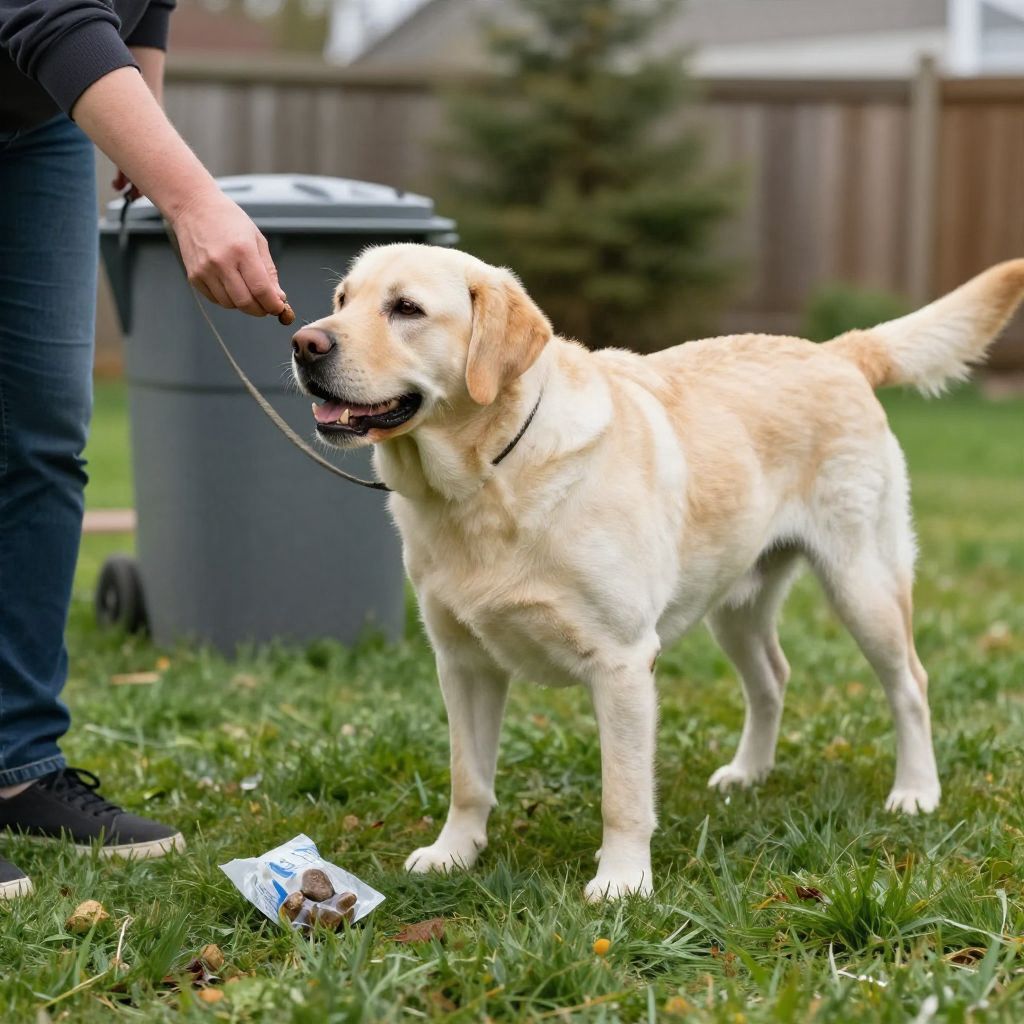
If you’re asking how to stop dog from eating poop home remedies, the first step is to rule out a medical cause and then manage the behavior consistently. Coprophagia is common enough to be frustrating, but it can also signal hunger, stress, boredom, or a health problem.
The good news is that many dogs improve with simple home changes, better supervision, and reward-based training. The key is to prevent access, clean up quickly, and work with your veterinarian if the behavior is sudden, severe, or paired with other symptoms.
How To Stop Dog From Eating Poop Home Remedies?
The best home approach is to combine fast cleanup, close supervision, better enrichment, and positive reinforcement. Teach a reliable “leave it” cue, keep your dog away from feces, and review diet and health with your vet if the habit is new, frequent, or hard to interrupt.
Why dogs eat poop
Dogs may eat poop for several reasons, and the right fix depends on the cause. Some dogs are simply opportunistic scavengers, while others do it because of stress, hunger, habit, or a medical issue.
- Puppies may explore the world with their mouths and copy what they see.
- Stress or anxiety can increase repetitive or scavenging behaviors.
- Boredom and lack of exercise can make stool more interesting.
- Household access to litter boxes, yards, or other dogs’ waste makes the habit easy to repeat.
- Medical problems such as intestinal upset, poor absorption, parasites, or increased appetite can contribute.
Some dogs are more persistent than others, but no breed is guaranteed to develop or avoid this behavior. Age, routine, environment, and health matter more than breed labels alone.
Step-by-step home remedies that actually help
1. Remove the opportunity
The most effective home remedy is prevention. If your dog cannot reach poop, the behavior cannot be rehearsed.
- Pick up stool immediately in the yard.
- Use a leash during potty breaks if needed.
- Block access to cat litter boxes with baby gates or closed doors.
- Supervise multi-dog homes so one dog does not eat another dog’s stool.
- Keep walks short and focused in areas where feces are likely to be present.
This is especially important for puppies, who learn habits quickly through repetition.
2. Teach “leave it” and reward it well
A strong “leave it” cue helps you interrupt the behavior before your dog reaches the poop. Train it with low-distraction items first, then gradually practice around harder temptations.
- Hold a treat in your closed hand.
- When your dog stops trying to get it, mark the moment with praise or a clicker if you use one.
- Reward from your other hand.
- Practice with toys, food on the floor, and then outdoor distractions.
Use high-value rewards, but keep the training calm and brief. The goal is to make ignoring poop more rewarding than investigating it.
3. Improve your dog’s daily routine
Some dogs eat poop because they are under-stimulated. A better routine can reduce scavenging and improve impulse control.
- Increase walks, sniffing time, and play that suits your dog’s age and body condition.
- Add food puzzles, scatter feeding, or short training games.
- Use chew-safe enrichment items that are appropriate for your dog.
- Keep a predictable schedule for meals, potty breaks, and rest.
Young dogs and high-energy dogs often need more structured activity than older or lower-energy dogs, but every dog benefits from mental work.
4. Review diet and feeding habits
Sometimes the issue starts with hunger or poor satiety. A complete, balanced diet that fits your dog’s age and life stage is important.
- Feed measured meals instead of guessing portions.
- Ask your veterinarian whether your dog’s current food is appropriate.
- Do not rely on random home ingredients as a substitute for balanced nutrition.
- If your dog seems constantly hungry, schedule a veterinary checkup.
Do not add supplements or “deterrent” ingredients without veterinary guidance. What helps one dog may upset another dog’s stomach or fail to address the real cause.
5. Clean up thoroughly and quickly
Fast cleanup is one of the simplest home remedies, but it is often overlooked. If poop stays available, your dog learns that eating it is an option.
- Carry bags on every walk.
- Check the yard after potty breaks.
- Clean litter boxes frequently if you have cats.
- Use barriers if you cannot supervise closely.
For some dogs, even a few seconds of access is enough to reinforce the habit, so consistency matters.
Common mistakes that make coprophagia worse
Many well-intentioned responses accidentally increase the problem. The most common mistake is waiting until your dog is already at the poop and then reacting too late.
- Chasing or yelling can turn the behavior into a game or increase stress.
- Punishment may make your dog hide the behavior instead of stopping it.
- Inconsistent cleanup gives your dog repeated opportunities.
- Switching foods constantly without a plan can upset digestion.
- Expecting one training session to fix it usually leads to disappointment.
Reward-based training and management are much more effective than intimidation or harsh corrections.
When the behavior may be medical
Coprophagia can be behavioral, but it can also be linked to health concerns. If the habit starts suddenly or becomes much worse, a veterinary exam is a smart next step.
Call your veterinarian if your dog also has any of these signs:
- Vomiting or diarrhea
- Weight loss
- Increased thirst or urination
- Big changes in appetite
- Bloated belly or abdominal pain
- Lethargy or weakness
- Itchy skin, poor coat, or recurring stomach upset
Seek urgent veterinary care if your dog has repeated vomiting, severe diarrhea, collapse, a swollen abdomen, blood in stool, or signs of poisoning or dehydration. Do not wait if your dog seems very unwell.
Home remedies that are safe to try, and what to avoid
Safer home strategies
These are practical, low-risk ways to reduce the behavior while you work on the cause:
- Supervise closely during potty time.
- Use a leash or long line in the yard if needed.
- Reward immediately when your dog ignores stool.
- Provide more exercise and enrichment.
- Keep the environment clean and predictable.
What to avoid
Some popular internet fixes are not reliable or may be unsafe. Avoid trying random remedies without checking whether they are appropriate for your dog.
- Do not use punishment-based methods.
- Do not give human medications unless your veterinarian tells you to.
- Do not assume a supplement will solve the problem without diagnosis.
- Do not let the behavior continue while “testing” whether it goes away on its own.
If your dog has a sensitive stomach, any diet change should be discussed with your vet first. A dog with diarrhea, intestinal parasites, or food intolerance may need medical treatment rather than a home-only fix.
Special considerations for puppies, adult dogs, and seniors
Puppies
Puppies often need the most supervision because they are curious, easily distracted, and still learning house rules. Keep potty trips structured and reward them for moving away from stool.
Short training sessions, frequent cleanup, and confinement when unsupervised can prevent the habit from becoming routine.
Adult dogs
In adult dogs, coprophagia may be more linked to habit, boredom, scavenging, or access to other animals’ waste. Focus on management and a consistent training plan.
If the behavior appears after a diet change, stressful event, or illness, ask your veterinarian whether a medical workup is needed.
Senior dogs
Older dogs may develop new scavenging habits if they are confused, less mobile, more anxious, or dealing with digestive or metabolic issues. A sudden change in behavior in a senior dog deserves a veterinary exam.
Make potty areas easy to access, keep routines predictable, and watch for other age-related changes such as accidents, disorientation, or appetite shifts.
How long it takes to see improvement
Some dogs improve quickly once poop is no longer available, while others need weeks of consistent training and management. Progress is usually gradual, especially if the habit has been reinforced for a long time.
Track what happens for a few weeks:
- How often your dog tries to eat poop
- Which locations trigger the behavior
- Whether the behavior happens more when your dog is bored, stressed, or hungry
- Which training cues and rewards work best
If you are not seeing improvement after consistent effort, a certified trainer or veterinary behaviorist can help you build a more targeted plan.
When to get professional help
Professional help is a good idea if the behavior is frequent, hard to interrupt, or causing health concerns. It is also wise to get help if there are multiple dogs in the home and the pattern keeps repeating.
Start with your veterinarian if you suspect a medical cause. If health is ruled out, a qualified force-free trainer or veterinary behaviorist can help with management, cue training, and behavior modification.
If your dog also has digestive symptoms, you may find it useful to read more about related stomach issues in how to stop dog diarrhea. For another common behavior problem that often improves with similar management and training, see how to stop dog from licking paws home remedy.
The most effective way to stop dog from eating poop home remedies is to combine prevention, training, and a health check when needed. Clean up fast, reward “leave it,” enrich your dog’s day, and contact your veterinarian if the behavior is sudden, persistent, or paired with other symptoms.