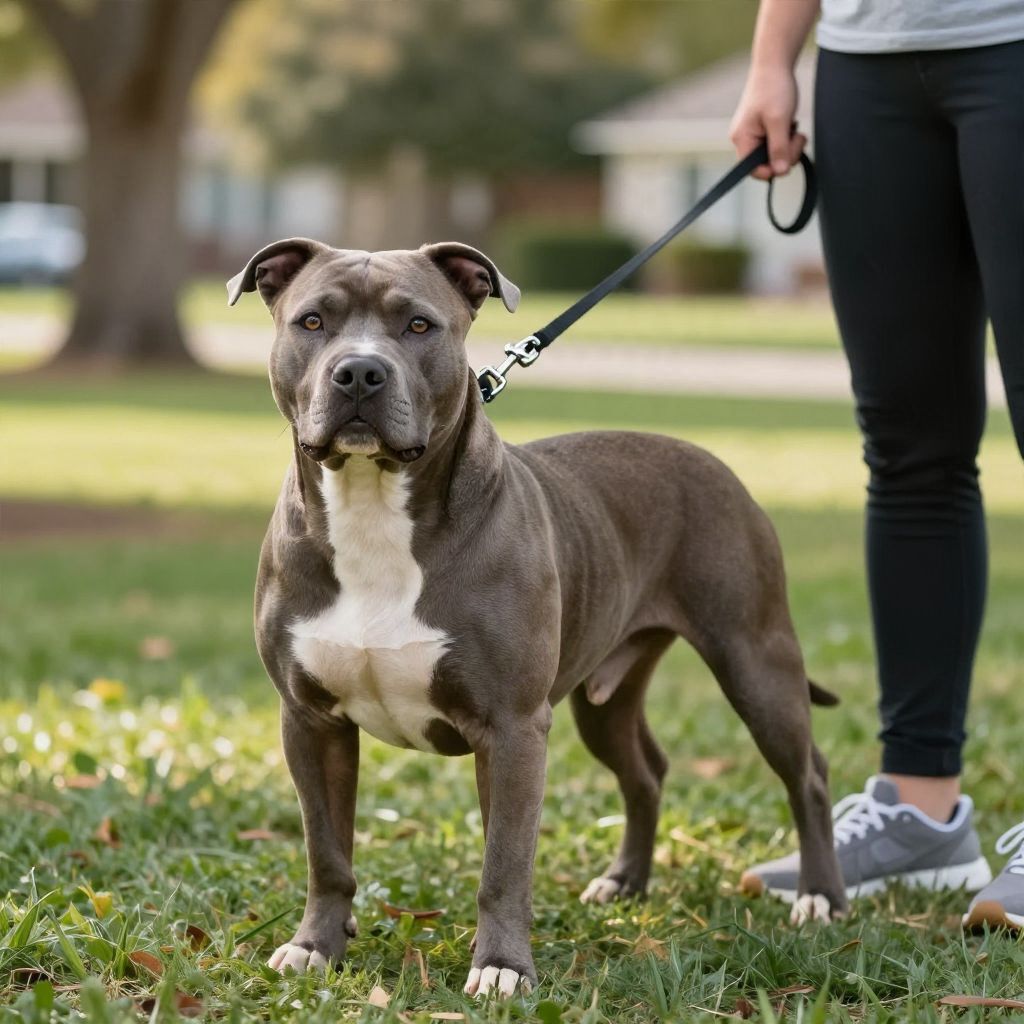
If you’ve heard someone call a dog a “pibble,” they usually mean a pit bull–type dog, not a single official breed. The term is informal and affectionate, but it can cover several breeds and mixes with similar general looks.
Because “pibble” is not a kennel-club breed name, the best way to understand one is to look at the individual dog’s size, coat, temperament, health, and training history. Many are loving family companions when they get good socialization, exercise, and consistent, humane training.
What breed is Pibble?
“Pibble” is a slang term, not an official breed. It usually refers to a pit bull–type dog, which may be an American Pit Bull Terrier, American Staffordshire Terrier, Staffordshire Bull Terrier, or a mixed-breed dog with similar traits. The exact dog’s behavior and care needs depend on the individual, not the nickname.
What people usually mean by “pibble”
In everyday use, “pibble” is often a cute, softer-sounding way to say “pit bull.” Some people use it for any muscular, short-coated dog with a broad head and friendly expression. Others use it specifically for dogs that look like pit bull–type mixes.
That matters because the label does not tell you everything you need to know. Two dogs called “pibbles” can differ a lot in energy level, confidence, sociability, and health.
Common breeds the word may describe
- American Pit Bull Terrier
- American Staffordshire Terrier
- Staffordshire Bull Terrier
- Mixed-breed dogs with pit bull–type ancestry
If you are trying to identify a specific dog, appearance alone can be misleading. DNA testing, shelter records, and a veterinarian’s exam may help, but even then, personality and care needs still vary from dog to dog.
Typical pibble traits and temperament
Many pit bull–type dogs are people-oriented, playful, and eager to engage with their families. Some are energetic and athletic, while others are calmer and more laid-back. A dog’s early socialization, training, and daily routine often shape behavior as much as genetics do.
It is best not to assume that all “pibbles” are the same. Breed tendencies can offer clues, but they do not guarantee friendliness, reactivity, or behavior around children, other dogs, or strangers.
What many owners notice
- Strong attachment to their people
- High interest in play and enrichment
- Moderate to high exercise needs
- Short coat that is usually easy to groom
- Potential dog-to-dog selectivity in some individuals
Some pit bull–type dogs do very well with other pets, while others need careful management. If your dog has a history of reactivity, guarding, or rough play, work with a qualified force-free trainer or veterinary behaviorist.
How to care for a pibble
Good care for a pibble is the same foundation most dogs need: daily exercise, mental enrichment, positive training, routine veterinary care, and a safe home setup. The details should match your dog’s age, health, and energy level.
Exercise and enrichment
Many pit bull–type dogs do best with more than a short walk around the block. Physical activity helps, but mental work is just as important for preventing boredom and unwanted behavior.
- Daily walks, sniffing time, and play sessions
- Food puzzles and scatter feeding
- Short training games using treats or toys
- Safe tug, fetch, or structured play if your dog enjoys it
- Rest periods so your dog does not become overstimulated
If your dog is young, very athletic, or under-exercised, build activity gradually. If your dog is a senior or has joint disease, heart disease, or another medical issue, ask your veterinarian what level of exercise is appropriate.
Training and socialization
Reward-based training works well for most dogs, including pibble-type dogs. Focus on teaching skills you want, rather than punishing mistakes. That approach builds trust and is safer for dogs that are sensitive, anxious, or easily aroused.
- Teach a reliable name response and recall in low-distraction settings.
- Reward calm behavior around people, dogs, and everyday noises.
- Practice loose-leash walking before trying crowded areas.
- Use management tools like gates, leashes, and crates when needed.
- Increase difficulty slowly and stop before your dog becomes overwhelmed.
Early socialization is helpful, but it should be positive and controlled. For adult dogs with limited social experience, start with distance, calm exposure, and predictable routines rather than forcing interactions.
Feeding a pibble the right way
There is no special “pibble diet.” Feed a complete and balanced dog food that fits your dog’s life stage, body condition, and activity level. Some pit bull–type dogs are very muscular and active, but muscle alone does not mean they need extra calories.
Watch your dog’s body condition rather than relying on the scale alone. You should be able to feel the ribs without pressing hard, and your dog should have a visible waist from above in many cases.
Feeding tips that help most dogs
- Measure meals instead of free-feeding if weight is a concern
- Use treats sparingly during training and count them as part of daily intake
- Choose food appropriate for puppies, adults, or seniors
- Ask your vet if your dog has skin issues, digestive problems, or food allergies
If you suspect a food sensitivity, work with your veterinarian before changing diets repeatedly. Many itchy or upset dogs have causes other than food, including fleas, environmental allergies, or skin infections.
Grooming and home care
Most pibble-type dogs have short coats that are low-maintenance, but they still benefit from routine grooming. Regular handling also makes nail trims, ear checks, and vet visits easier.
- Brush weekly to remove loose hair and check skin
- Trim nails regularly to prevent discomfort
- Check ears for odor, redness, or discharge
- Brush teeth or use vet-approved dental care products
- Inspect skin folds, paws, and elbows for irritation or calluses
Some dogs of this type may be prone to skin allergies or recurrent itching. If you notice licking, chewing, redness, or hair loss, schedule a veterinary exam rather than guessing at the cause.
Health issues to watch for
Any dog can develop health problems, and a pibble is no exception. Breed tendencies can influence risk, but they do not predict exactly what your dog will face. Regular wellness visits help catch issues early.
Possible concerns seen in pit bull–type dogs
- Skin allergies and chronic itching
- Ear infections, especially if allergies are present
- Hip or elbow problems in some dogs
- Weight gain if exercise drops or calories are too high
- Dental disease if oral care is neglected
Seek urgent veterinary care if your dog has trouble breathing, collapses, has repeated vomiting, a bloated abdomen, severe swelling, sudden weakness, uncontrolled bleeding, a seizure, or signs of serious pain. These are not wait-and-see problems.
Behavior challenges and how to handle them
Some pibble-type dogs are easygoing, while others are strong, excitable, or reactive. The right response is usually better management and training, not punishment. Harsh methods can increase fear, arousal, and defensive behavior.
Common issues and safer solutions
- Jumping: Reward four paws on the floor and greet calmly.
- Pulling on leash: Use a harness, reward loose leash moments, and practice in low-distraction areas.
- Dog reactivity: Increase distance, avoid crowded setups, and work with a trainer.
- Overexcitement: Build impulse-control games and predictable routines.
- Resource guarding: Do not punish. Get professional help if your dog stiffens, growls, or snaps near food or toys.
If your dog shows aggression, sudden behavior change, or fear that seems new, ask your veterinarian first. Pain, illness, or neurological problems can sometimes look like “bad behavior.”
Is a pibble a good family dog?
Many pit bull–type dogs can be excellent family companions, especially in homes that provide structure, exercise, and supervision. The best fit depends on the individual dog and the household, including children’s ages, other pets, and how much time you have for training.
Before bringing one home, consider whether you can provide daily activity, consistent rules, and secure containment. A dog with a strong, energetic personality needs more than affection alone.
Questions to ask before adopting
- How does the dog behave around strangers, children, and other dogs?
- Has the dog lived in a home before?
- What training, if any, has the dog already learned?
- Does the dog have any medical or behavioral history?
- Can you commit to ongoing socialization and exercise?
When to get professional help
Reach out to a veterinarian if your dog has itching, limping, digestive trouble, sudden behavior changes, or any sign of pain. For behavior concerns, a certified force-free trainer or veterinary behaviorist can help you build a plan that is safe and realistic.
If you are unsure whether your “pibble” is a pit bull–type mix or another breed, focus on the dog in front of you rather than the label. The most useful care comes from matching training, exercise, and health support to your dog’s actual needs.
If you want more help comparing dogs before adoption, you may also find what dog breed is best for me? useful, and for another breed-identity example, see what breed is Snoopy?