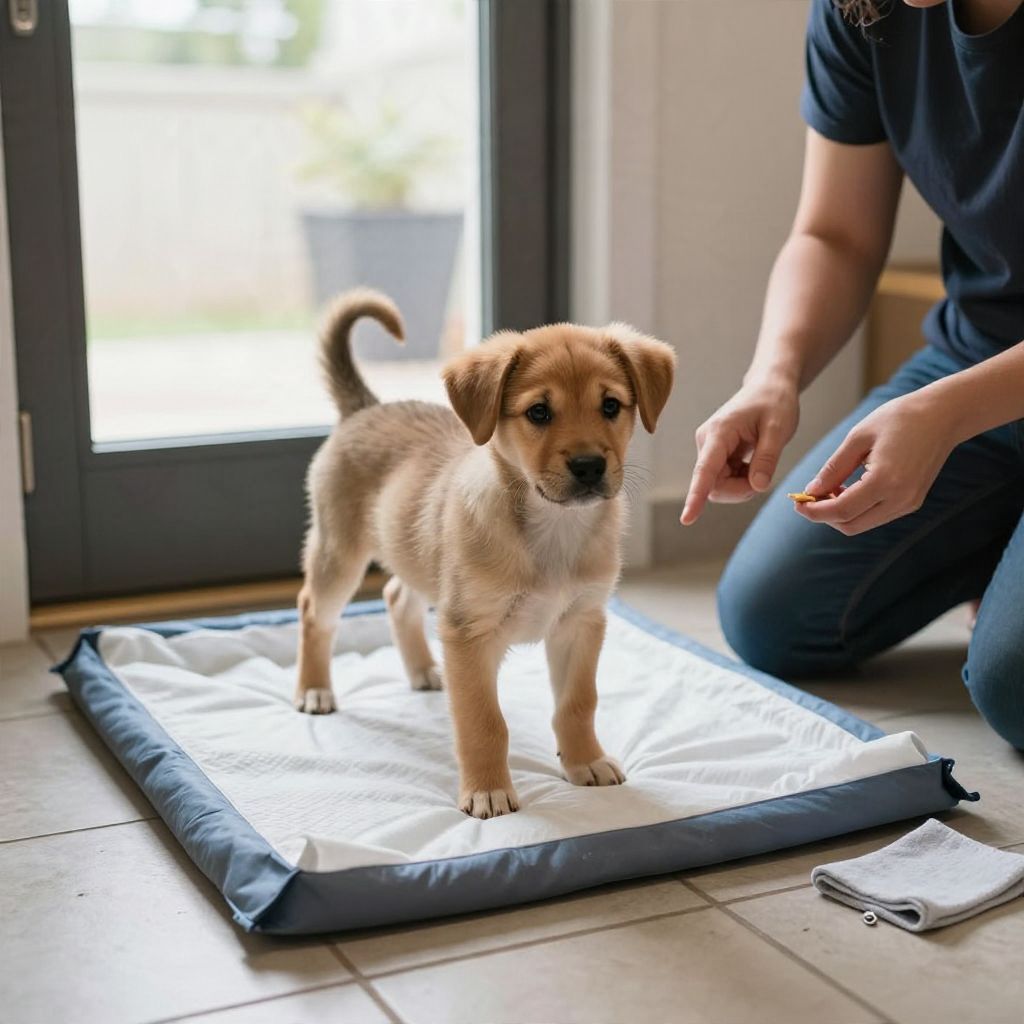
How do you toilet train a puppy in 7 days? You can make real progress in a week, especially with a young, healthy puppy and a consistent routine. Success depends on frequent trips outside, close supervision, reward-based training, and preventing accidents before they happen.
Seven days is often enough to build a strong foundation, but full reliability usually takes longer. Your puppy’s age, bladder control, breed size, diet, health, and previous habits all affect the pace, so focus on consistency rather than perfection.
How To Toilet Train A Puppy In 7 Days
The fastest way to toilet train a puppy in 7 days is to use a strict schedule, take your puppy out often, reward outdoor toileting immediately, and manage the house so accidents are unlikely. Keep your puppy supervised, use a crate or small safe area when needed, and clean accidents thoroughly.
Day-by-Day Toilet Training Plan
A simple plan works better than trying to “wait and see.” Puppies learn from repetition, timing, and clear feedback.
Day 1: Set up the routine
- Choose one toilet spot outside.
- Take your puppy out first thing in the morning, after naps, after meals, after play, and before bed.
- Use a leash so you can guide your puppy to the same place each time.
- Stay calm and quiet until your puppy toilets.
- Reward immediately with praise and a small treat.
Day 2: Watch for signals
Learn your puppy’s signs that they need to go, such as sniffing, circling, whining, wandering off, or suddenly stopping play. The moment you notice a signal, take your puppy outside right away.
Day 3: Tighten supervision
- Keep your puppy in the same room as you or in a safe confined area.
- Use a crate only for short, appropriate periods and never as punishment.
- Take your puppy out more often than you think is necessary.
Day 4: Reinforce the habit
By now, your puppy should start connecting the outdoor spot with toileting. Reward every success quickly. If your puppy is distracted outside, stay patient and give them a few minutes before going back in.
Day 5: Reduce accidents indoors
Accidents often happen because puppies get too much freedom too soon. If your puppy is having accidents, shorten the time between toilet breaks and limit access to larger areas of the house.
Day 6: Add a predictable schedule
- Feed meals at the same times each day.
- Take your puppy out shortly after eating and drinking.
- Keep play sessions and naps predictable.
Day 7: Review and repeat
At the end of the week, look at what is working. If your puppy is still having accidents, the issue is usually not “stubbornness” but timing, supervision, or a medical problem.
How Often Should You Take a Puppy Out?
Young puppies need frequent toilet breaks because they cannot hold urine for long. A practical rule is to take your puppy out after waking, after eating, after drinking, after play, and every 1 to 2 hours during the day if they are very young.
- First thing in the morning
- After every meal
- After naps
- After play sessions
- Before bedtime
- During the night if needed
Smaller puppies and younger puppies usually need more frequent breaks. Some individual dogs also need more trips because of excitement, anxiety, or a history of inconsistent training.
How To Prevent Accidents Indoors
Prevention is the fastest route to success. Every accident indoors makes training harder, so your job is to reduce opportunities for mistakes.
Use management tools
- Leash supervision: Keep your puppy near you when they are loose in the house.
- Crate or pen: Use a properly sized crate or exercise pen when you cannot watch closely.
- Baby gates: Block off rooms where accidents are likely.
- Clean-up supplies: Keep enzymatic cleaner ready for accidents.
Watch for common accident triggers
- Excitement when visitors arrive
- Long gaps between toilet breaks
- Rough play without a break
- Overtired puppies
- Sudden changes in routine
If your puppy has an accident, interrupt gently if you catch them in the act and take them outside immediately. Then clean the area thoroughly so the smell does not encourage repeat accidents.
How To Reward Toileting the Right Way
Timing matters. Reward your puppy within seconds of finishing toileting outside so they connect the reward with the correct behavior.
- Use a cheerful “yes” or a clicker if your puppy already knows it.
- Offer a small treat right away.
- Keep praise calm and brief so you do not distract them before they finish.
Do not reward before your puppy has actually toileted. If you praise too early, you may interrupt them and miss the chance to reinforce the behavior you want.
Common Mistakes That Slow Toilet Training
Many toilet training problems come from inconsistency rather than the puppy being difficult.
- Waiting too long between toilet breaks
- Giving too much freedom too soon
- Using punishment after accidents
- Not cleaning accidents well enough
- Expecting a very young puppy to hold it for long periods
- Changing routines every day
Punishment can make toilet training worse. It may teach your puppy to hide when they need to go, to fear you, or to avoid toileting in front of you at all.
What If Your Puppy Still Has Accidents After 7 Days?
That is common. Seven days can start the habit, but many puppies need several weeks of repetition before they are reliable indoors and outdoors.
Try these troubleshooting steps
- Increase toilet breaks.
- Return to closer supervision.
- Feed meals on a schedule.
- Use the same outdoor toilet spot every time.
- Review whether the crate or pen is the right size.
If your puppy suddenly starts having more accidents, seems unable to hold urine, strains, has diarrhea, drinks unusually large amounts of water, or appears unwell, contact a veterinarian. Medical issues can look like training problems.
When To Contact a Veterinarian or Trainer
Most toilet training challenges improve with routine, but some situations need professional help.
- See a veterinarian urgently if your puppy has blood in the urine, repeated vomiting, severe diarrhea, painful urination, lethargy, or signs of dehydration.
- Contact a veterinarian if accidents are frequent despite careful training, especially if your puppy is very young, very small, or suddenly changed behavior.
- Consider a certified trainer or veterinary behaviorist if your puppy seems fearful, anxious, or difficult to settle in the house.
Some puppies also need extra support because of their age, past environment, or health history. For example, a puppy from a shelter or rescue may need more time to learn the household routine.
Helpful Habits That Make Training Easier
Small daily habits can speed up progress and reduce stress for both you and your puppy.
- Keep a simple log of toilet times, meals, naps, and accidents.
- Use the same cue phrase every time you go outside, such as “go potty.”
- Feed a consistent diet to avoid sudden digestive upset.
- Make sure your puppy gets enough sleep, because overtired puppies often have more accidents.
- Be patient with individual differences in bladder control and learning speed.
Breed, size, and age can influence how quickly a puppy learns, but they do not guarantee success or failure. The best predictor is usually your consistency, supervision, and timing.
Conclusion
Toilet training a puppy in 7 days is about building a strong routine, not expecting instant perfection. Take your puppy out often, reward fast, supervise closely, and manage the house to prevent mistakes. If accidents continue or your puppy seems unwell, get veterinary advice rather than guessing.
If you want more practical puppy guidance, you may also find how often puppies pee and how to discipline a puppy helpful for building a calm, consistent training plan.