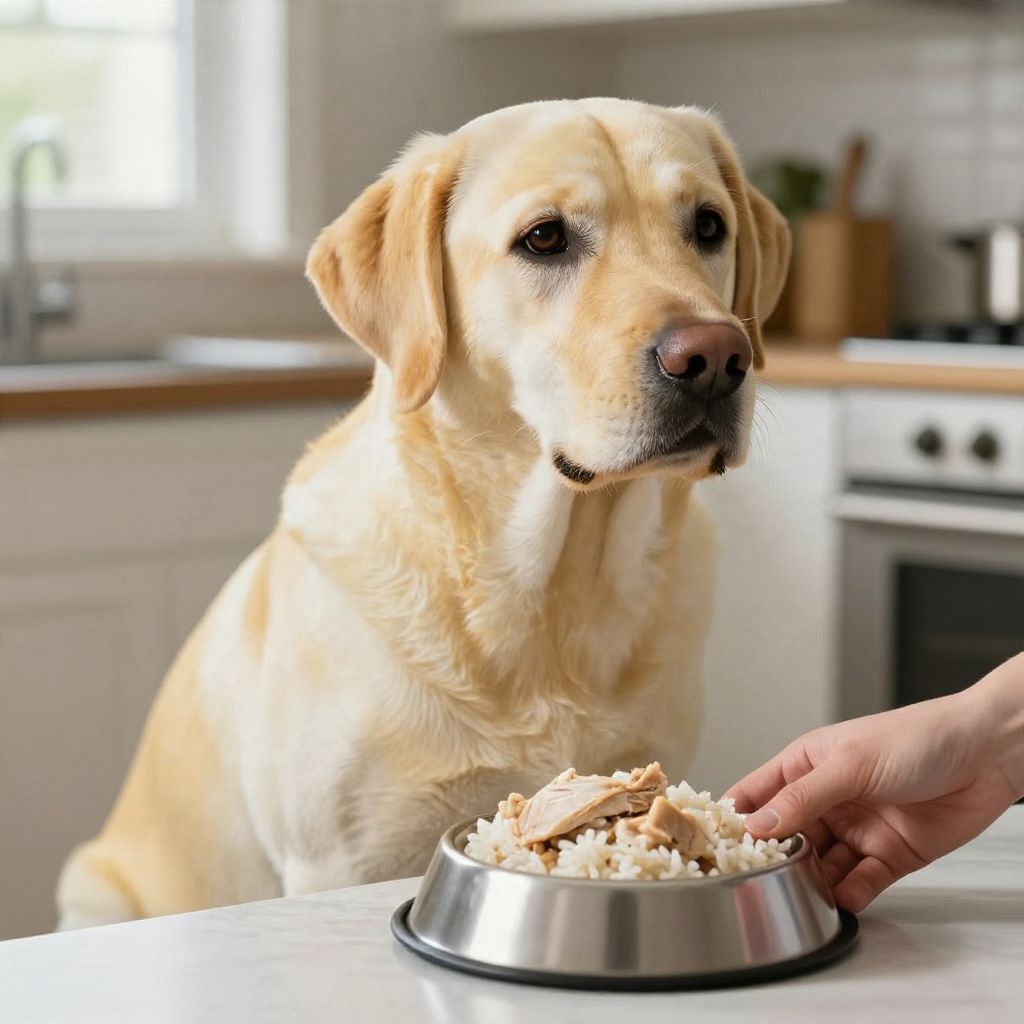
If you’re asking what does cat taste like, the most important answer is this: do not feed cat meat to your dog. The question usually comes up from curiosity, but for dogs the bigger issue is safety, legality, and health risks.
Dogs should eat a complete, balanced diet made for dogs. If your dog has eaten cat food or any unusual meat, watch for vomiting, diarrhea, or other signs of illness and call your veterinarian if you’re concerned.
What does cat taste like for dogs?
Dogs should not be given cat meat. The “taste” question is usually a curiosity question, but for dogs the practical answer is that cat meat is not an appropriate or recommended food, and it may carry serious health and safety risks depending on how it was obtained, prepared, and stored.
Why this question matters for dog owners
Many people search this phrase because they want to know whether a dog can eat cat meat, whether it is safe, or whether it might be used as food in an emergency. In normal pet care, the answer is simple: don’t offer cat meat to your dog.
Dogs are omnivores and do best on a diet formulated for their nutritional needs. Feeding random animal meat can create problems with bacteria, parasites, bones, seasoning, and nutrient imbalance.
Is cat meat safe for dogs?
No, cat meat is not a safe or appropriate food for dogs. Even if the meat itself were plain, the source, handling, and preparation matter a great deal. Raw or undercooked meat can expose dogs to harmful bacteria and parasites, while cooked bones can splinter and injure the mouth, throat, stomach, or intestines.
There are also legal and ethical concerns. In many places, cats are companion animals, and harming them is illegal and deeply unethical. If your question is about a stray, injured, or deceased cat, do not try to use the body as food for a dog.
What happens if a dog eats cat meat?
If a dog accidentally eats a small amount of cat meat, the outcome depends on what was in it and how it was prepared. Plain, cooked meat may cause no immediate issue in some dogs, but contaminated, spoiled, seasoned, or bony meat can cause illness or injury.
Possible problems include
- Vomiting or diarrhea
- Abdominal pain or bloating
- Choking or mouth injury from bones
- Intestinal blockage or puncture
- Bacterial infection from raw or spoiled meat
- Pancreatitis risk if the meat was very fatty or greasy
If your dog seems unwell after eating any unusual meat, contact your veterinarian for advice. Do not wait if symptoms are severe.
Red-flag signs that need urgent veterinary care
Some signs mean your dog needs prompt veterinary attention, especially after eating bones, raw meat, or spoiled food. These are not “watch and wait” symptoms.
- Repeated vomiting or inability to keep water down
- Bloated or painful abdomen
- Difficulty breathing or choking
- Weakness, collapse, or extreme lethargy
- Blood in vomit or stool
- Straining to defecate or no stool after eating bones
- Signs of dehydration, such as dry gums or sunken eyes
If you suspect your dog swallowed a bone, a large amount of meat, or anything contaminated, call a veterinarian right away.
Why dogs should not eat cat food or cat-related meat
Cat food is different from dog food because cats and dogs have different nutritional requirements. Cat food is usually richer in protein and fat than a dog needs, which can upset some dogs’ stomachs or contribute to pancreatitis in sensitive individuals.
Cat meat, if someone is asking about it as food, is even less appropriate because it is not a regulated dog food ingredient and may be unsafe, illegal, or both. A dog’s diet should be complete, balanced, and chosen for age, size, and health status.
Why “just a little” can still be a problem
Even a small amount can be risky if it includes seasoning, onion, garlic, sauce, grease, or bone fragments. Dogs vary in sensitivity, so what one dog tolerates may make another dog sick.
Common mistakes to avoid
- Feeding raw meat without veterinary guidance
- Giving cooked bones “as a treat”
- Assuming a dog can eat the same meat humans eat without seasoning concerns
- Using spoiled or questionable leftovers
- Treating unusual meat as a substitute for dog food
- Waiting too long after vomiting, diarrhea, or choking signs
What to do if your dog already ate cat meat
Stay calm and assess the situation. The right response depends on how much was eaten, whether it was cooked or raw, and whether bones or seasoning were involved.
- Remove any remaining meat so your dog cannot eat more.
- Check whether bones, skewers, string, or packaging were swallowed.
- Look for vomiting, coughing, drooling, pacing, abdominal pain, or trouble defecating.
- Call your veterinarian or an emergency clinic if the meat was raw, spoiled, heavily seasoned, or bone-in.
- Follow your vet’s advice rather than trying to make your dog vomit at home.
If your dog is acting normal after a tiny accidental bite, your vet may advise monitoring. If your dog is a puppy, senior, or has a medical condition, it is wise to call sooner because these dogs can be more vulnerable to stomach upset or complications.
How to keep your dog safe around food and leftovers
Prevention is usually easier than dealing with a sick dog later. Good food management protects dogs from accidental exposure to unsafe foods, including meat scraps and bones.
- Keep all meat, bones, and trash out of reach
- Use secure bins with lids
- Do not leave plates or cutting boards unattended
- Teach a reliable “leave it” cue using reward-based training
- Supervise dogs around picnic tables, grills, and kitchen counters
- Store pet food separately from human food
What dogs actually need instead
Rather than experimenting with unusual meats, feed a diet that is complete and balanced for dogs. The best choice depends on your dog’s life stage, body condition, activity level, and any health issues such as allergies, kidney disease, or pancreatitis.
If you want to add variety, ask your veterinarian about safe dog treats or approved toppers. Even then, treats should stay within a small portion of daily calories and should never replace a proper diet.
When to ask your veterinarian for help
Contact your veterinarian if you are unsure about anything your dog ate, especially if it involved raw meat, bones, spoilage, or an unknown source. A vet can help you decide whether your dog needs monitoring, an exam, or urgent care.
This is especially important for puppies, toy breeds, brachycephalic dogs, seniors, and dogs with a history of digestive trouble, because complications can develop faster or be more serious.
Bottom line
What does cat taste like is not a question to act on with your dog. Cat meat is not an appropriate food for dogs, and it can be dangerous depending on how it was handled or prepared. Keep your dog on a balanced canine diet, avoid bones and raw leftovers, and call your veterinarian promptly if your dog eats something questionable.
If you want more dog safety reading, you may also find what dog meat-related questions mean and this comparison article useful for context.