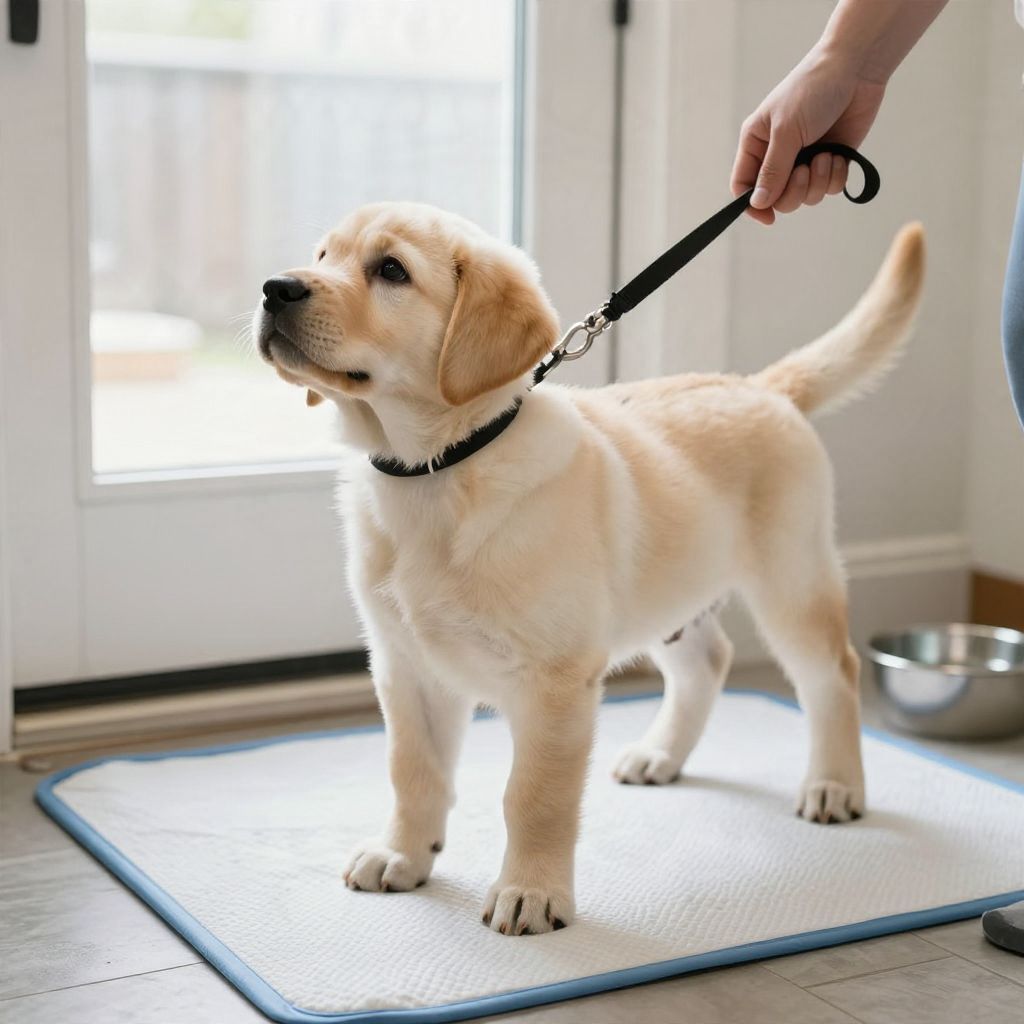
If you’re wondering how often puppies pee, the short answer is: much more often than adult dogs. Young puppies may need to urinate every 1 to 2 hours when awake, and usually right after waking, eating, drinking, playing, or excitement.
That frequency is normal because their bladders are small and they are still learning control. If your puppy suddenly pees far more than usual, strains, seems painful, or has accidents after being reliably trained, contact your veterinarian.
How often do puppies pee?
Most puppies need to pee every 1 to 2 hours during the day, plus immediately after waking, eating, drinking, play, and training sessions. Very young puppies may need even more frequent trips outside, while older puppies can usually hold it longer as bladder control improves.
What affects how often a puppy pees?
There is no single schedule that fits every puppy. Age, size, diet, activity, training stage, and health all influence bathroom needs.
- Age: Younger puppies have less bladder control than older puppies.
- Body size: Small puppies often need more frequent breaks because their bladders are smaller.
- Water intake: More drinking usually means more urination.
- Food type: Wet food can increase fluid intake, which may increase pee frequency.
- Excitement or stress: Some puppies pee more when overstimulated or nervous.
- Training history: A puppy that is still learning house training needs closer supervision.
- Health: Urinary tract issues, diabetes, and other medical problems can change bathroom habits.
Breed can matter indirectly, but it is not a guarantee. Some puppies may be easier to house train than others because of temperament or body size, not because every dog of a breed behaves the same way.
How often should you take a puppy out?
For most puppies, a good rule is to offer a potty break every 1 to 2 hours while awake, and more often during active parts of the day. You should also take your puppy out after naps, meals, play, and any time you notice sniffing, circling, whining, or heading toward a hidden spot.
Helpful timing to remember
- First thing in the morning
- After every nap
- Within 5 to 30 minutes after meals
- After drinking a lot of water
- After play sessions
- Before bedtime
- During the night if your puppy is very young
Many puppies cannot reliably hold urine through the night until they are older. If your puppy wakes up needing to pee, that is normal and not a training failure.
Typical puppy potty schedule by age
Age gives you a rough guide, but your puppy may need more or fewer trips depending on the individual dog. Use the schedule below as a starting point, then adjust based on accidents and success.
- 8 to 10 weeks: Very frequent breaks, often every 1 to 2 hours while awake, plus overnight as needed.
- 10 to 12 weeks: Some puppies can stretch a little longer, but frequent outings are still important.
- 3 to 4 months: Many puppies can begin holding it longer during the day, though accidents are still common.
- 5 to 6 months: Bladder control improves, but routines and supervision still matter.
Even with older puppies, a sudden increase in accidents is worth paying attention to. A change in bathroom habits can reflect stress, training gaps, or a medical issue.
Signs your puppy needs to pee now
Learning your puppy’s signals can prevent accidents and make house training easier. Some puppies are obvious, while others are subtle.
- Sniffing the floor intensely
- Circling or wandering away from you
- Whining, pacing, or sudden restlessness
- Stopping play and heading to a corner
- Squatting or lifting a leg
- Going to the door or the area where they usually potty
If you notice these signs, calmly take your puppy outside right away. Try not to wait and see if they “can hold it,” especially during the early training stage.
How to help your puppy pee on a schedule
A predictable routine makes house training easier and reduces accidents. The goal is to give your puppy many chances to succeed, not to punish mistakes.
- Set a consistent schedule. Take your puppy out at regular intervals instead of waiting for accidents.
- Use the same potty area. Familiar smells can help your puppy understand what the spot is for.
- Go out after key events. Always try after sleep, meals, play, and drinking.
- Reward immediately. Praise and reward your puppy right after they finish peeing outside.
- Supervise indoors. Keep your puppy near you or in a safe confined area when you cannot watch closely.
- Clean accidents thoroughly. Use an enzymatic cleaner so lingering odor does not invite repeat accidents.
Reward-based training works best. Avoid punishment, yelling, or rubbing your puppy’s nose in accidents, because that can create fear and make house training harder.
How water intake affects peeing
Puppies should have regular access to fresh water, and normal drinking will increase urination. This is expected, especially after play, warm weather, or meals.
Do not restrict water as a house-training shortcut. Limiting water can be unsafe and may hide a health problem instead of solving it.
If your puppy seems to drink far more than usual, asks for water constantly, or is peeing much more than expected, schedule a veterinary visit. Increased thirst and urination can be signs of illness.
When frequent peeing is normal vs. when it is a problem
Frequent urination is often normal in young puppies, especially during the first months of training. The key is whether the pattern matches age and routine, and whether your puppy seems otherwise healthy.
Usually normal
- Peeing every 1 to 2 hours when awake
- Needing to go after naps, meals, or play
- Occasional accidents during training
- More frequent peeing after drinking more water than usual
Not normal and worth a vet call
- Straining to pee
- Frequent tiny amounts of urine
- Blood in the urine
- Pain, crying, or obvious discomfort while peeing
- Sudden increase in accidents after being trained
- Excessive thirst along with frequent urination
- Accidents plus lethargy, vomiting, or poor appetite
Urgent veterinary care is needed if your puppy cannot pee at all, seems bloated, is in severe pain, collapses, or has repeated vomiting with urinary symptoms. These can be emergencies.
Common mistakes that make house training harder
Many potty problems happen because the puppy is given too much freedom too soon or the routine is too loose. Small changes in management can make a big difference.
- Waiting too long between potty breaks
- Not supervising closely indoors
- Using punishment after accidents
- Not rewarding outdoor peeing consistently
- Expecting a very young puppy to hold it too long
- Changing schedules too abruptly
- Assuming every accident is “bad behavior” instead of a training or health issue
If accidents keep happening despite a careful routine, review the timing first. If the pattern still does not improve, ask your veterinarian whether a medical issue could be contributing.
What about nighttime peeing?
Nighttime potty needs are common in young puppies. Many need at least one overnight trip early on, especially in the first weeks after coming home.
To reduce overnight accidents, take your puppy out right before bed, keep the nighttime routine calm, and avoid long play sessions late at night. If your puppy routinely wakes up needing to pee, that is a cue to keep the schedule consistent rather than letting them “cry it out.”
When to ask a veterinarian for help
Contact your veterinarian if your puppy’s urination pattern changes suddenly or if bathroom habits seem painful, excessive, or unusual. A medical check is especially important if your puppy is drinking much more than normal or peeing in very small amounts repeatedly.
Your vet may ask about diet, water intake, training routine, stress, and any other symptoms. That information helps separate normal puppy behavior from a possible urinary or systemic problem.
Bottom line
Most puppies pee every 1 to 2 hours while awake, and often after sleep, meals, play, and excitement. A consistent schedule, close supervision, and reward-based training help your puppy succeed, while sudden changes in urination should be checked by a veterinarian.
If you want more help with puppy bathroom routines, you may also find it useful to read about how long a dog can go without peeing and how often puppies poop.