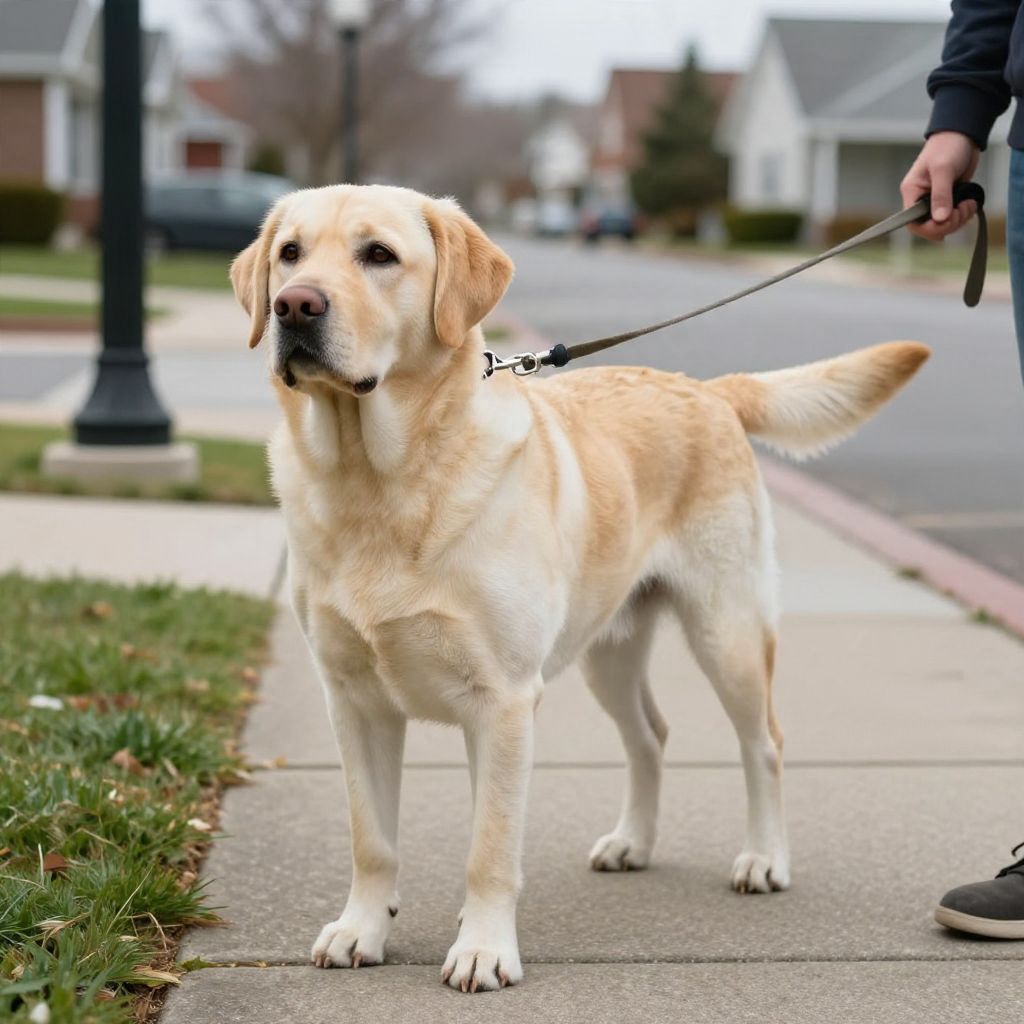
If you’re wondering how long can a dog go without peeing, the answer depends on age, size, health, and routine. Many adult dogs can hold urine for several hours, but “can” is not the same as “should.”
A dog that is uncomfortable, straining, or suddenly unable to urinate may need veterinary attention. Knowing what is normal for your dog helps you spot problems early and avoid bladder issues.
How Long Can A Dog Go Without Peeing?
Most healthy adult dogs can usually go about 6 to 8 hours without peeing, and some may manage longer overnight. Puppies, seniors, and dogs with medical issues often need more frequent bathroom breaks. If your dog is straining, painful, or hasn’t urinated for a full day, contact a veterinarian.
What Affects How Long A Dog Can Hold It?
There is no single answer that fits every dog. The time a dog can go without peeing depends on several factors that change from one dog to another.
- Age: Puppies have small bladders and limited control. Senior dogs may also need more frequent breaks.
- Health: Urinary tract infections, bladder stones, kidney disease, diabetes, and some medications can change urination habits.
- Water intake: Dogs that drink more will usually need to pee more often.
- Activity level: Exercise and excitement can increase the urge to urinate.
- Routine and training: Dogs used to regular potty breaks often do better than dogs with unpredictable schedules.
- Environment: Heat, stress, travel, and unfamiliar places can affect bathroom behavior.
Breed can matter indirectly, but it is not a guarantee. A small dog may need more frequent breaks because of bladder size, while a larger dog may still struggle if it has anxiety or a urinary condition.
Typical Peeing Timeline By Life Stage
Puppies
Puppies usually need to pee very often, sometimes every 1 to 2 hours when awake. They also often need a bathroom break after waking, playing, eating, or drinking.
If you are house-training a puppy, frequent trips outside are normal and helpful. For more puppy bathroom guidance, you may also want to read about how often puppies poop.
Adult dogs
Healthy adult dogs often do well with bathroom breaks every 4 to 8 hours. Many can sleep through the night, especially if they have had a late-evening potty trip and are otherwise healthy.
Senior dogs
Older dogs may need more frequent opportunities to urinate because of weaker bladder control, mobility issues, or age-related medical conditions. If your senior dog starts having accidents, don’t assume it is “just old age.”
When Holding Urine Becomes A Problem
Occasionally delaying a potty break is not usually harmful for a healthy adult dog, but repeated long delays can cause discomfort and may contribute to accidents or urinary problems. The concern is greater if your dog is trying to hold it for many hours every day.
Watch for signs that your dog needs to go sooner rather than later:
- Pacing, whining, or scratching at the door
- Sniffing and circling repeatedly
- Squatting with little or no urine produced
- Accidents in the house despite normal training
- Excessive licking of the genital area
- Restlessness or seeming uncomfortable
Important: If your dog is straining to pee but little or nothing comes out, this can be an emergency, especially in male dogs. Do not wait to see if it improves on its own.
How Long Is Too Long Without Peeing?
For many healthy adult dogs, going 8 to 10 hours without peeing may happen sometimes, such as overnight or during a long trip. But if your dog goes much longer than usual, or if this is a sudden change, it deserves attention.
A practical rule is to compare your dog to their normal pattern. A dog that usually pees every 4 hours and suddenly goes 12 hours without urinating is more concerning than a dog that naturally sleeps through the night.
Call a vet promptly if you notice:
- No urination for 12 to 24 hours, depending on your dog’s normal habits
- Repeated attempts to pee with little output
- Pain, crying, or belly discomfort
- Blood in the urine
- Vomiting, lethargy, or loss of appetite along with urinary changes
- Sudden increase in thirst or urination
What To Do If Your Dog Has To Wait Longer Than Usual
If you are delayed and your dog needs to hold it longer than normal, keep the situation as calm and safe as possible. Stress can make some dogs less willing to urinate on cue.
- Take your dog out as soon as you can.
- Use the same potty spot if possible.
- Give your dog a few quiet minutes to sniff and settle.
- Offer water normally unless your veterinarian has told you otherwise.
- Watch for signs of discomfort or repeated unsuccessful attempts.
If your dog is traveling, plan ahead with rest stops. Puppies, seniors, and dogs with urinary issues should not be expected to wait as long as healthy adult dogs.
Common Reasons A Dog Suddenly Won’t Pee
A sudden change in urination can be caused by several different issues, some minor and some urgent. You should not try to guess the cause if your dog is unable to urinate normally.
- Urinary tract infection: May cause frequent attempts, discomfort, or accidents.
- Bladder stones or crystals: Can irritate the bladder or block urine flow.
- Urinary blockage: A true emergency that can become life-threatening.
- Dehydration: Less urine may be produced when the body is low on fluids.
- Stress or fear: Some dogs avoid peeing in unfamiliar places.
- Mobility pain: Arthritis or injury can make it hard to posture to urinate.
- Hormonal or metabolic disease: Conditions such as diabetes or kidney disease can change thirst and urination patterns.
How To Support Healthy Urination Habits
Routine helps many dogs feel secure and reduces the risk of accidents. A predictable schedule also makes it easier for you to notice changes early.
- Offer regular potty breaks throughout the day.
- Give fresh water at all times unless your vet advises otherwise.
- Keep walks and feeding times fairly consistent.
- Reward your dog for peeing in the right place.
- Clean accidents thoroughly with an enzymatic cleaner to reduce repeat marking.
If your dog is house-training, reward-based training works best. Avoid punishment, which can make dogs hide accidents or become anxious about peeing in front of you.
When To Seek Urgent Veterinary Care
Some urinary problems should be treated as emergencies. Do not delay if you see any of the following:
- Your dog is trying to pee but nothing comes out
- Your dog has a swollen or painful abdomen
- Your dog is weak, vomiting, or collapsing
- Your dog has blood in the urine plus pain or straining
- Your dog has not urinated for a day and seems unwell
These signs can point to a blockage or other serious condition that needs immediate veterinary care.
The Bottom Line
How long can a dog go without peeing depends on age, health, and routine, but most healthy adult dogs should not be expected to hold it for long stretches every day. If your dog’s urination pattern changes, or if they strain without producing urine, contact your veterinarian promptly.
If you’re building a better bathroom routine, it can also help to learn more about puppy elimination patterns and other life-stage care topics so you know what’s normal for your dog.