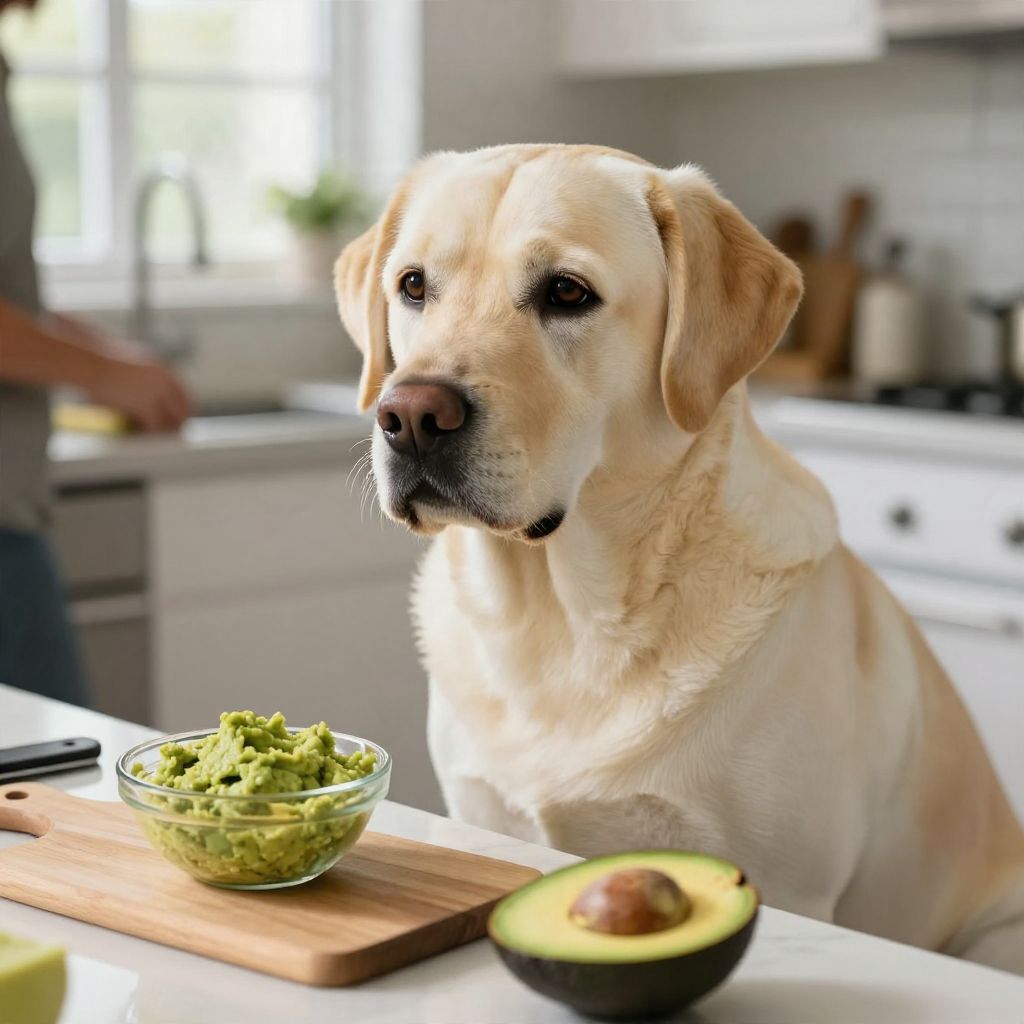
Can dogs eat guacamole? In most cases, no—guacamole is not a safe food for dogs because it often contains ingredients that can upset the stomach or be toxic, especially onion and garlic. Even plain avocado should only be offered with caution, since it is high in fat and can cause digestive trouble in some dogs.
If your dog licked a tiny amount, they may be fine, but larger amounts or guacamole with seasonings can be a problem. Watch for vomiting, diarrhea, belly pain, or unusual tiredness, and contact your veterinarian promptly if you’re unsure.
Can Dogs Eat Guacamole?
Guacamole is usually not recommended for dogs. The avocado itself is not the main concern for most dogs, but guacamole commonly includes onion, garlic, salt, lime juice, chili, or other add-ins that can irritate the stomach or be harmful. If your dog ate guacamole, the safest response depends on the ingredients and how much was eaten.
Why Guacamole Can Be Risky for Dogs
Guacamole is a mixed food, and that makes it harder to judge than a single ingredient. Some dogs may tolerate a tiny taste, while others may develop digestive upset from a small amount, especially if they have a sensitive stomach, pancreatitis history, or another health issue.
1. Onion and garlic are the biggest concerns
Many guacamole recipes include onion or garlic, including powders. These ingredients can damage red blood cells in dogs and may cause illness even when the dog seems fine at first.
Possible warning signs include:
- Vomiting or diarrhea
- Weakness or lethargy
- Pale gums
- Reduced appetite
- Dark urine
2. Avocado is high in fat
Avocado flesh is rich and fatty. Some dogs handle a small amount without trouble, but fatty foods can trigger stomach upset and may be a concern for dogs prone to pancreatitis or weight gain.
Fatty-food reactions can include:
- Vomiting
- Loose stool
- Abdominal discomfort
- Restlessness
- Loss of appetite
3. Seasonings and add-ins can make it worse
Guacamole often contains salt, lime juice, jalapeño, cilantro, tomato, or spice blends. These may not be toxic in every case, but they can still irritate the stomach or create extra risk depending on the recipe and your dog’s sensitivity.
4. The pit and peel are hazards
If your dog got into a whole avocado or guacamole left near a pit, the pit itself is a choking and blockage risk. Large pieces of peel can also be a problem if swallowed.
What to Do If Your Dog Ate Guacamole
If your dog ate guacamole, don’t panic, but do check the ingredient list right away. The presence of onion or garlic changes the advice, and the amount eaten matters too.
- Remove access to the food so your dog cannot eat more.
- Check the ingredients for onion, garlic, chili, or other seasonings.
- Estimate how much was eaten and whether the avocado pit or container was involved.
- Call your veterinarian if the guacamole contained onion or garlic, if your dog ate a large amount, or if your dog has a medical condition.
- Monitor closely for vomiting, diarrhea, belly pain, drooling, weakness, or changes in gum color.
If your dog is showing serious signs such as repeated vomiting, trouble breathing, collapse, a bloated abdomen, or a suspected swallowed pit, seek urgent veterinary care right away.
Can Dogs Eat Plain Avocado Instead?
Plain avocado is less risky than guacamole, but it is still not an ideal dog food. A small amount of plain avocado flesh may be tolerated by some dogs, yet it should not become a regular treat. The safest approach is to avoid offering it unless your veterinarian says it is appropriate for your dog.
Even when avocado flesh seems harmless, individual factors matter. A small dog, a puppy, a senior dog, or a dog with a sensitive stomach may react differently than a healthy adult dog.
Dogs that may need extra caution
- Dogs with pancreatitis or a history of digestive upset
- Dogs on a weight-management plan
- Puppies with immature digestion
- Senior dogs with ongoing medical conditions
- Dogs known to eat quickly or swallow non-food items
Signs Your Dog May Need a Vet After Eating Guacamole
Some dogs only have mild stomach upset, but others need prompt veterinary attention. Contact your vet if you notice anything that seems off, especially if the guacamole included onion or garlic.
Call your veterinarian soon if you see:
- One or two episodes of vomiting
- Soft stool or diarrhea
- Reduced interest in food
- Mild lethargy
- Drooling or lip licking
Get urgent help now if you see:
- Repeated vomiting or inability to keep water down
- Swollen or painful abdomen
- Collapse, weakness, or trouble standing
- Labored breathing
- Pale gums or dark urine
- A swallowed avocado pit or container piece
How Much Guacamole Is Too Much?
There is no reliable universal amount that is safe for every dog. Tolerance varies with body size, age, health, the exact recipe, and whether the guacamole contained onion or garlic. A tiny lick may cause no issue, while a larger serving can trigger stomach upset or more serious concerns.
Because the ingredients matter so much, it’s better to treat guacamole as a food to avoid rather than a snack to measure out.
Safer Ways to Share Avocado-Like Foods With Your Dog
If you want to offer a special treat, choose dog-safe foods with simpler ingredients. Keep treats small and make sure they fit within your dog’s normal diet.
- Plain cooked vegetables your vet approves
- Small pieces of dog-safe fruit, prepared appropriately
- Commercial dog treats made for your dog’s size and health needs
- Frozen enrichment treats designed for dogs
Always avoid turning human foods into a habit. Treats should stay a small part of the diet so your dog still gets balanced nutrition from their regular food.
Common Mistakes Dog Owners Make With Guacamole
Most problems happen when guacamole is treated like a harmless table snack. Even a well-meaning taste from a chip can be enough to expose your dog to risky ingredients.
- Assuming “just a little” is always safe
- Forgetting about onion or garlic powder
- Leaving dip bowls within reach
- Ignoring the avocado pit
- Waiting for symptoms before calling the vet when the recipe contained toxic ingredients
How to Prevent Guacamole Accidents
Prevention is usually simple and far less stressful than dealing with a sick dog later. A few kitchen habits can reduce the risk of accidental exposure.
- Keep guacamole and chips out of reach during meals and gatherings.
- Dispose of avocado pits and peels in a secure trash bin.
- Teach a reliable “leave it” cue using reward-based training.
- Ask guests not to feed your dog from the table.
- Store leftovers in sealed containers your dog cannot access.
When to Ask Your Veterinarian for Advice
Call your veterinarian if you’re unsure whether your dog ate enough to matter, if the recipe included onion or garlic, or if your dog has a medical condition that makes fatty foods risky. Your vet can help you decide whether home monitoring is enough or whether your dog needs an exam.
If your dog has a history of pancreatitis, repeated stomach upset, or food sensitivity, it’s especially wise to check before offering any rich human food.
Bottom Line
Can dogs eat guacamole? It’s best not to offer it. Guacamole often contains onion, garlic, salt, and other ingredients that can make dogs sick, and the avocado itself can still cause digestive trouble in some dogs. If your dog ate some, check the ingredients, watch for symptoms, and contact your veterinarian when in doubt.
For more food-safety guidance, you may also find it helpful to read about whether dogs can eat avocado and whether dogs can eat limes.