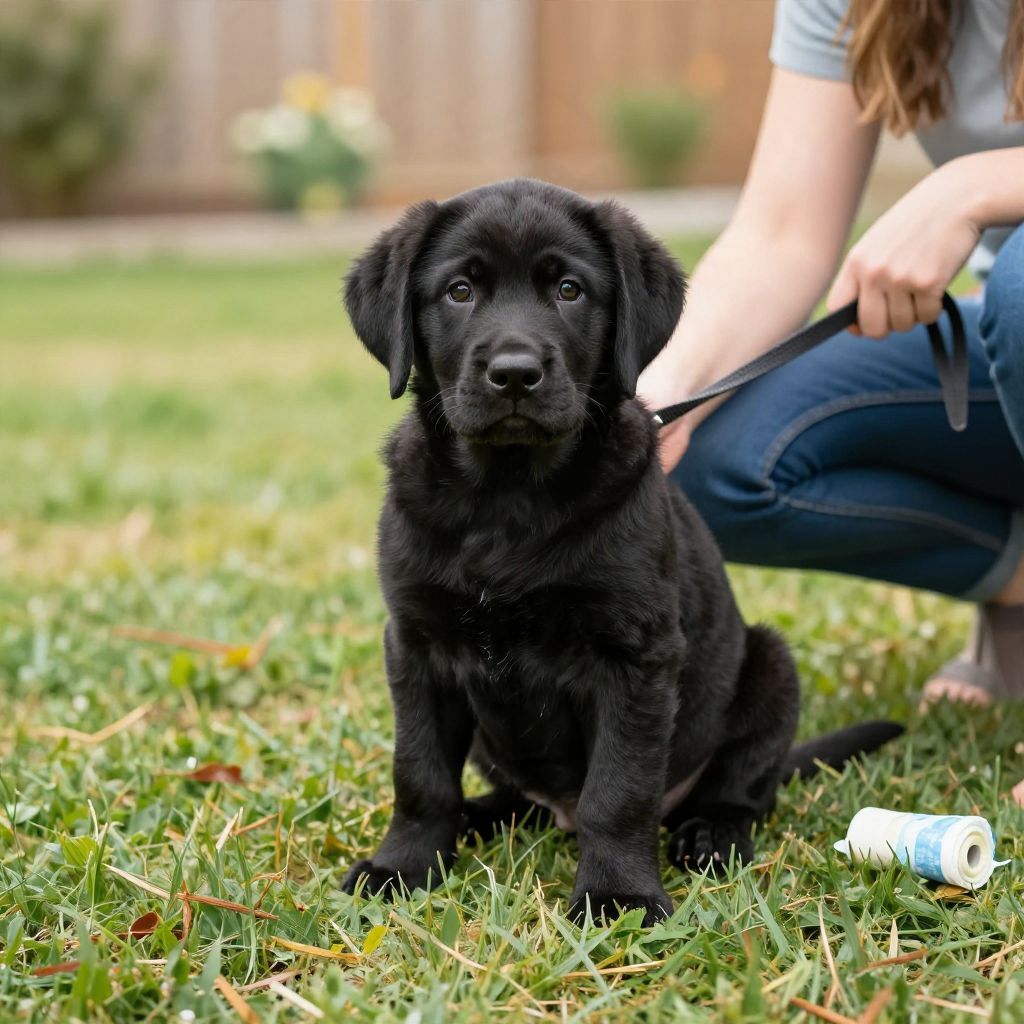
If you’re wondering how often puppies poop, the short answer is: usually several times a day. Most young puppies need to go after waking, after eating, after play, and before bed, because their digestive systems are still developing.
The exact schedule varies with age, diet, breed size, activity level, and health. A puppy that suddenly poops much more or much less than usual, or has diarrhea, blood, vomiting, or straining, should be checked by a veterinarian.
How often do puppies poop?
Most puppies poop 3 to 5 times a day, and very young puppies may go even more often. A healthy puppy usually needs to eliminate within minutes after meals, naps, and active play, especially while house training is still in progress.
What affects how often a puppy poops?
There is no single normal schedule for every puppy. The frequency depends on several practical factors, and it can change from day to day as your puppy grows.
Age
Younger puppies tend to poop more often because they eat frequently and digest food quickly. As they mature, many puppies begin to hold it longer and settle into fewer bowel movements per day.
Meal size and feeding schedule
Puppies that eat smaller, more frequent meals often poop more often than older dogs on one or two meals a day. Sudden changes in feeding routine can also change stool timing.
Diet quality and food changes
Food that is rich, highly processed, or changed too quickly can upset the digestive system. A gradual transition is usually easier on the stomach and helps keep stools more predictable.
Activity and excitement
Many puppies poop soon after exercise, training, or exciting events. This is common and usually normal, especially during the house-training stage.
Individual differences
Some puppies naturally have more frequent bowel movements than others. Body size, metabolism, and sensitivity to ingredients can all play a role.
What is a normal poop pattern for a puppy?
A normal pattern is one that is fairly consistent for your puppy and matches their age, diet, and routine. Healthy puppy poop is usually formed, moist but not watery, and easy to pass without straining.
Many owners notice a pattern like this:
- First thing in the morning
- After each meal
- After play or exercise
- Before bedtime
That pattern is common, but not guaranteed. Some puppies may poop more than this, especially if they are very young or eating several meals a day.
How often should a puppy poop after eating?
Many puppies need to poop within 5 to 30 minutes after a meal, though some take longer. This is one reason consistent meal times are useful for house training: they help you predict when your puppy will need a potty break.
If your puppy consistently does not poop after meals but seems comfortable, that may still be normal. What matters most is the overall pattern, stool quality, and whether your puppy is acting well.
How often do puppies poop by age?
Age is one of the biggest reasons poop frequency changes. The ranges below are general guidance, not strict rules.
Very young puppies
Very young puppies often poop several times a day and may need immediate potty trips after eating and waking. Their bladders and bowels are still developing, so they have limited control.
Growing puppies
As puppies grow, many begin to poop fewer times per day and can wait a bit longer between breaks. House training usually becomes easier as their digestive system and bladder control mature.
Older puppies
Older puppies may poop two to four times a day, depending on meal frequency and activity. Some still need more frequent breaks, especially if they are small, energetic, or still learning a routine.
How to set a healthy potty routine
A predictable routine helps you reduce accidents and notice changes early. It also makes it easier to tell whether your puppy’s poop schedule is normal.
- Take your puppy out first thing in the morning.
- Offer potty breaks after every meal.
- Go out after naps, play sessions, and training.
- Take your puppy out before bedtime.
- Use the same potty spot when possible.
- Reward successful potty trips with calm praise or a treat.
Reward-based house training works better than punishment. If accidents happen, clean them thoroughly and adjust the schedule rather than scolding your puppy.
What if your puppy poops too much?
Extra frequent pooping can be harmless if it is short-lived and your puppy otherwise seems normal. But frequent stools can also point to diet issues, stress, parasites, or illness.
Call your veterinarian if your puppy has:
- Sudden diarrhea or very loose stools
- Blood or black, tarry stool
- Vomiting along with frequent pooping
- Straining, pain, or repeated attempts with little output
- Lethargy, poor appetite, or dehydration
- A swollen belly or signs of discomfort
Seek urgent veterinary care if your puppy is weak, collapses, cannot keep water down, has repeated vomiting, or has a large amount of blood in the stool. Puppies can become dehydrated quickly.
What if your puppy poops too little?
Less frequent pooping can happen when a puppy is eating less, is mildly constipated, or is holding stool because of changes in routine. It can also happen if they are not getting enough water or are uncomfortable in their potty area.
Contact your veterinarian if your puppy:
- Has not pooped for more than a day and seems uncomfortable
- Is straining repeatedly
- Has hard, dry stool
- Has a poor appetite, vomiting, or abdominal pain
- May have eaten something they should not have
Do not try to force a home remedy without veterinary guidance, especially in a young puppy. Constipation can sometimes signal a more serious problem.
What puppy poop should look like
Poop quality matters as much as frequency. Healthy stool is usually brown, formed, and easy to pick up. It should not be watery, extremely hard, or covered in mucus.
Watch for changes in:
- Color
- Consistency
- Frequency
- Amount
- Whether your puppy strains or cries
Occasional mild changes can happen after a food transition or exciting day, but ongoing changes deserve veterinary attention.
Common reasons puppy poop changes
Many temporary issues can affect how often puppies poop. Some are minor, while others need medical care.
Diet changes
Switching foods too quickly can cause loose stools or more frequent pooping. Any new food should usually be introduced gradually unless your veterinarian tells you otherwise.
Parasites
Worms and other intestinal parasites are common reasons for abnormal stools in puppies. Your veterinarian may recommend fecal testing and a deworming plan based on your puppy’s needs.
Stress or routine changes
Travel, new people, boarding, or a big schedule change can affect digestion. Some puppies respond with softer or more frequent stools.
Eating inappropriate items
Trash, toys, fabric, bones, or human food can cause digestive upset or even an obstruction. If you suspect your puppy swallowed something unsafe, contact your veterinarian right away.
How to help your puppy have regular stools
You can support healthy digestion with simple, consistent care.
- Feed a complete puppy food appropriate for their life stage.
- Keep meal times consistent.
- Make food changes gradually when possible.
- Provide fresh water at all times.
- Use regular potty breaks, especially after meals and naps.
- Keep up with parasite prevention and veterinary checkups.
Consistency matters more than perfection. A regular routine makes it easier to notice when something is off.
When should you call the vet?
It is a good idea to call your veterinarian if you are unsure whether your puppy’s poop pattern is normal. This is especially important for very young puppies, toy breeds, or any puppy that seems unwell.
Contact the vet promptly if you notice:
- Diarrhea lasting more than a day
- Repeated vomiting
- Blood in the stool
- Black stool
- Straining without producing stool
- Loss of appetite or low energy
- Signs of dehydration, such as dry gums or weakness
If your puppy is acting normal, eating well, and having formed stools, a few extra or fewer poops may not be a problem. Still, a sudden change should be watched closely.
Bottom line
Most puppies poop several times a day, often after meals, naps, and play. What matters most is a consistent pattern, normal stool quality, and your puppy’s overall behavior. If poop frequency changes suddenly or comes with warning signs, call your veterinarian.
If you want more help with digestive upset, you may also find these guides useful: how to stop dog diarrhea and what to give a dog with an upset stomach.