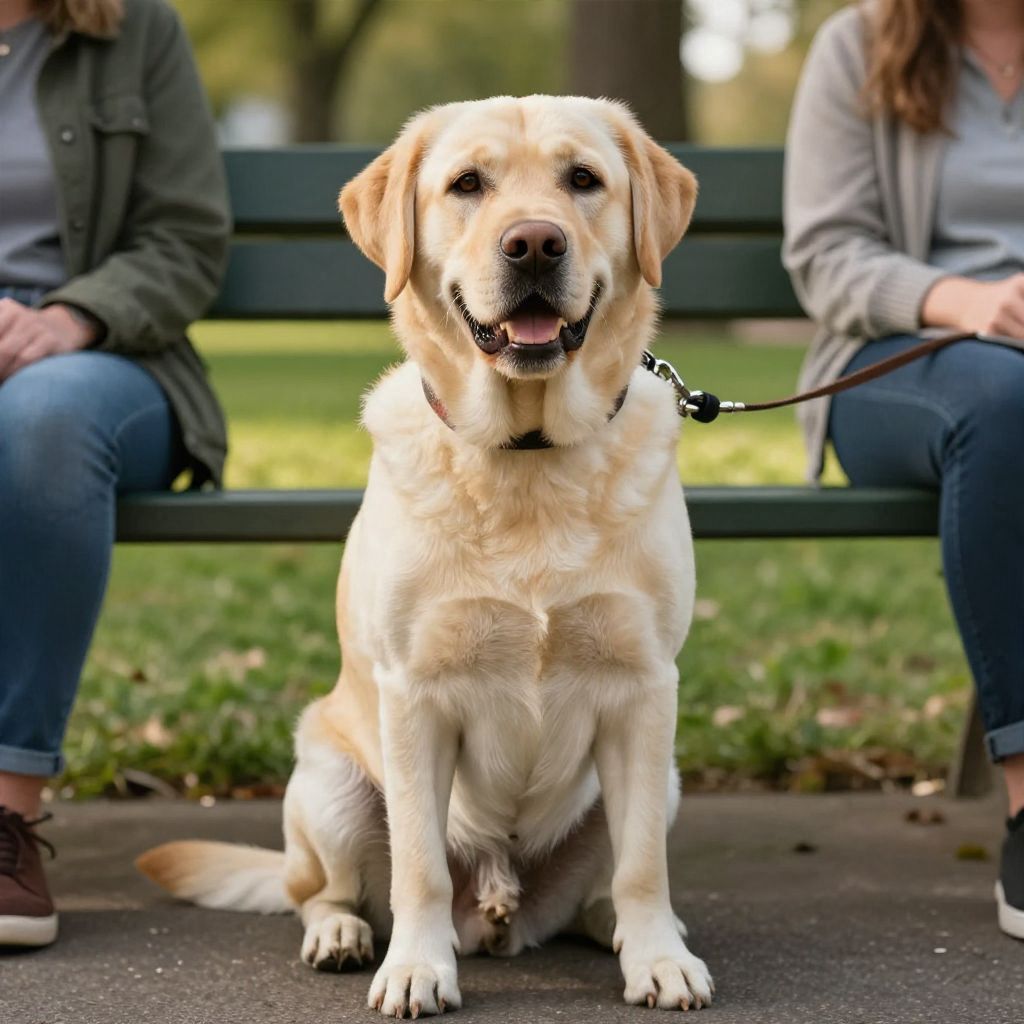
What is the friendliest dog breed? The short answer is that there is no single breed that is always the friendliest. Friendliness depends on genetics, early socialization, training, health, and the individual dog’s personality.
Some breeds are often described as especially outgoing, people-oriented, or easy to warm up to, but any dog can be friendly with the right care. If you want a dog with a naturally social temperament, focus on breed tendencies and then evaluate the specific dog in front of you.
What Is The Friendliest Dog Breed?
The friendliest dog breed is usually the one that best matches your lifestyle and can thrive with people, routine, training, and social contact. Breeds often seen as friendly include Labrador Retrievers, Golden Retrievers, Cavalier King Charles Spaniels, and many mixed-breed dogs, but individual temperament matters more than breed alone.
What “Friendly” Really Means In A Dog
When people ask what is the friendliest dog breed, they usually mean a dog that is affectionate, social, tolerant, and easy to live with around people and other pets. That can look different from one home to another.
A friendly dog may:
- Enjoy meeting new people
- Recover quickly from new situations
- Be gentle with children when properly supervised
- Accept handling, grooming, and vet visits more easily
- Show curiosity rather than fear or defensiveness
Friendliness is not the same as being calm, obedient, or low-energy. A very social dog may still be energetic, vocal, or mouthy if not trained well.
Breeds Often Considered Friendly
Some breeds have reputations for being warm, social, and people-focused. These are general tendencies, not guarantees.
Commonly people-oriented breeds
- Labrador Retriever: Often outgoing, eager to please, and social with family and strangers.
- Golden Retriever: Frequently gentle, affectionate, and adaptable in family settings.
- Cavalier King Charles Spaniel: Often loving and companion-focused, especially with close family.
- Beagle: Many are friendly and social, though they can be independent and vocal.
- Poodle: Often intelligent and trainable, with friendliness shaped strongly by socialization.
- Boxer: Commonly playful and people-centered, though usually energetic.
Mixed-breed dogs can be just as friendly as purebred dogs. In many cases, the individual dog’s early experiences and ongoing care matter more than the label on the adoption paperwork.
Why Breed Alone Cannot Tell You The Friendliest Dog
Even within a breed known for friendliness, dogs can vary a lot. A dog’s behavior is influenced by many factors beyond breed.
- Early socialization: Puppies exposed calmly to people, sounds, and new places often grow into more confident adults.
- Training history: Reward-based training helps dogs learn polite, predictable behavior.
- Health: Pain, illness, or sensory loss can make any dog less tolerant or more reactive.
- Age: Puppies may be social but impulsive; seniors may be calmer or less patient with rough handling.
- Environment: Stressful homes, isolation, or inconsistent routines can affect temperament.
- Individual personality: Just like people, dogs have their own preferences and comfort levels.
That is why the friendliest dog breed for one family may not be the best choice for another.
How To Choose A Friendly Dog For Your Home
If friendliness is your top priority, look beyond breed names and ask practical questions about the dog’s behavior and background.
- Meet the dog more than once if possible, in different settings.
- Watch how the dog approaches people and whether it recovers easily after surprises.
- Ask about history with children, other dogs, grooming, and handling.
- Look for relaxed body language such as soft eyes, loose posture, and a wagging tail held naturally.
- Consider your lifestyle so the dog’s energy level and social needs fit your routine.
If you are adopting, a shelter or rescue can often describe whether a dog is outgoing, shy, selective, or best in a quieter home. That information is often more useful than breed generalizations.
Signs A Dog Is Naturally Social
A friendly dog usually shows comfort, curiosity, and ease around people. These signs can help you judge temperament, though they do not replace a full behavioral assessment.
- Approaches without freezing or backing away
- Accepts gentle petting or brief handling
- Recovers quickly after a new sound or movement
- Shows interest in treats, toys, or interaction
- Can settle after excitement instead of escalating
Be careful not to mistake overexcitement for friendliness. A dog that jumps, mouths, or rushes people may be social but still needs training and structure.
How To Raise A Friendlier Dog
Even if your dog is not naturally bold, you can support a more confident, people-friendly temperament with consistent care.
Start socialization early and keep it positive
Puppies benefit from safe exposure to different people, surfaces, sounds, and environments. Keep experiences brief, calm, and rewarding so your dog learns that new things are normal.
Use reward-based training
Reward the behavior you want, such as sitting politely, approaching calmly, or settling on a mat. Avoid punishment, intimidation, or harsh corrections, which can make fear and reactivity worse.
Teach polite greetings
Many friendly dogs become overwhelming because they are never taught how to greet people calmly. Practice four paws on the floor, short greetings, and reward calm behavior before offering attention.
Protect sleep and routine
Dogs are usually friendlier when they are rested, fed, exercised, and not constantly overstimulated. Predictable routines help many dogs feel secure.
When A “Friendly” Dog May Not Be Friendly
A dog that suddenly becomes less social may be trying to communicate discomfort. This is important because changes in behavior can signal a medical or emotional problem.
Watch for:
- Growling, snapping, or avoidance when touched
- Hiding, trembling, or refusing interaction
- Sudden irritability or withdrawal
- Guarding food, toys, or resting spots
- New fearfulness after illness, injury, or a stressful event
If your dog’s friendliness changes suddenly, schedule a veterinary exam. Pain, ear infections, dental disease, arthritis, and other problems can affect behavior.
Friendliness With Children, Guests, And Other Dogs
A dog that is friendly with adults may still need help learning to be safe around children, visitors, or other dogs. “Friendly” should always include good manners and supervision.
With children
Choose dogs with a history of calm behavior around kids, and always supervise interactions. Teach children not to hug, climb on, chase, or disturb a resting dog.
With guests
Some friendly dogs become overexcited when visitors arrive. Use a leash, baby gate, or mat training to prevent jumping and rushing at the door.
With other dogs
Dog-to-dog friendliness varies widely. Some dogs enjoy play, while others prefer limited contact. Slow introductions and parallel walking can help reduce tension.
Common Mistakes When Looking For The Friendliest Dog Breed
People often make avoidable mistakes when choosing a dog based on friendliness alone.
- Assuming every dog of a breed will behave the same way
- Choosing a dog only because it is popular with families
- Ignoring energy level, grooming needs, and training demands
- Expecting a puppy to stay naturally friendly without training
- Overlooking fear, stress, or poor socialization history
A dog can be affectionate and still be a poor fit if its exercise needs, size, or sensitivity do not match your household.
When To Get Professional Help
If your dog is aggressive, fearful, or difficult to handle, do not wait for the problem to “go away.” Early help is safer and more effective.
Contact a veterinarian if you notice:
- Sudden behavior changes
- Pain, limping, or sensitivity to touch
- Loss of appetite, lethargy, or other illness signs
- Growling or snapping that is new or worsening
Work with a certified trainer or veterinary behaviorist if your dog needs help with reactivity, fear, separation issues, or social skills. Reward-based guidance is the safest approach.
Bottom Line: What Is The Friendliest Dog Breed?
The friendliest dog breed is not one fixed answer. Labrador Retrievers, Golden Retrievers, Cavaliers, and other social breeds are often good candidates, but the best choice depends on the individual dog, its upbringing, and your home. Focus on temperament, history, and training support to find the right match.
If you want to keep comparing options, you may also find it helpful to read what dog breed is best for me and this related guide on what is the friendliest dog breed.