
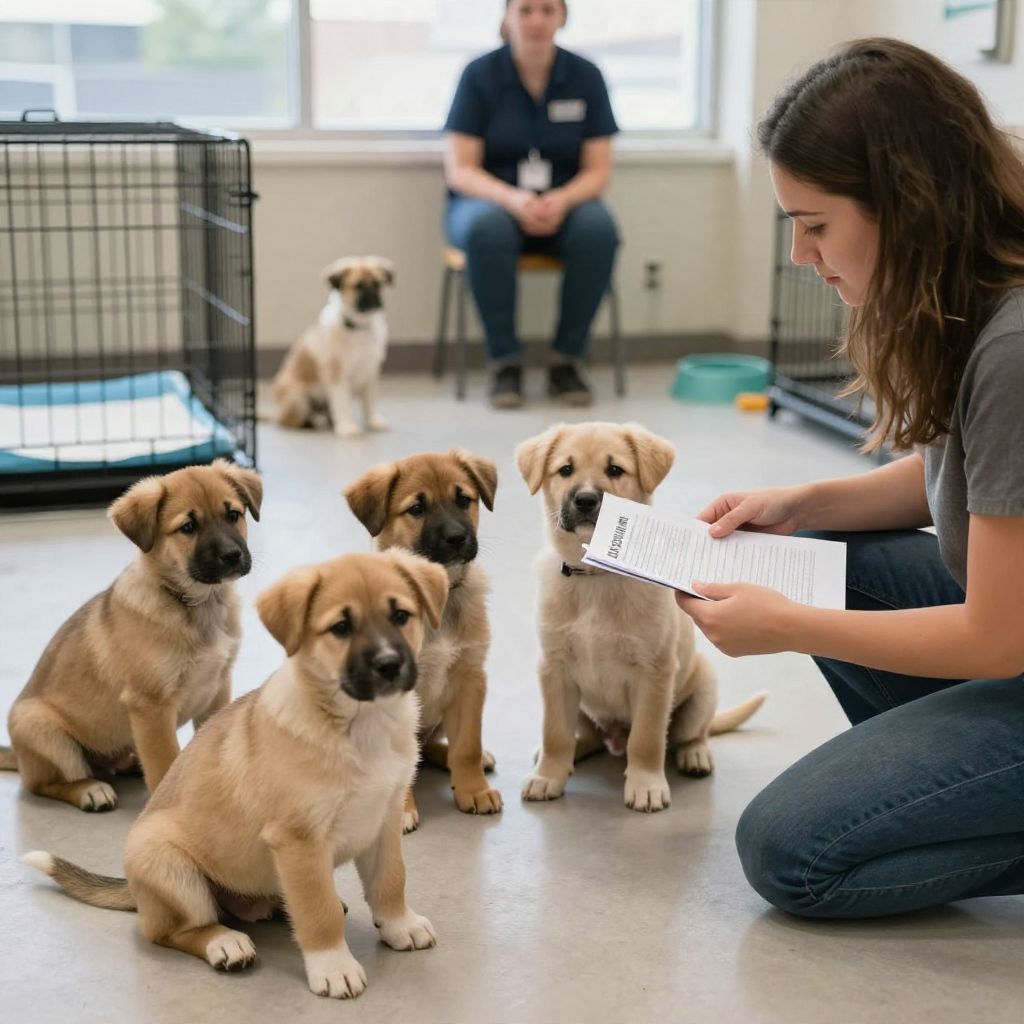
If you’re asking, “Where can I find puppies for sale near me,” the safest answer is to start with responsible local sources: reputable breeders, breed-specific rescues, and humane shelters. Focus on health, temperament, and transparency, not just convenience or a cute photo.
Take your time, ask questions, and avoid sellers who rush you, hide the puppy’s living conditions, or won’t share veterinary records. A careful search now can help you bring home a healthier, better-matched puppy later.
Where can I find puppies for sale near me?
The best places to find puppies near you are reputable breeders, animal shelters, and breed rescues. Look for sellers who provide health records, let you meet the puppy and parent dogs when possible, answer questions clearly, and prioritize lifetime responsibility over a quick sale.
Start with the safest local options
Not every “puppies for sale” listing is trustworthy. Good sources are usually transparent, willing to answer questions, and focused on the puppy’s welfare.
- Reputable breeders: Often the best option if you want a specific breed and can verify health testing and careful socialization.
- Breed-specific rescues: Useful if you’re open to a puppy or young dog of a particular breed or mix.
- Animal shelters and humane societies: Many have puppies available, though availability changes quickly.
- Veterinary clinics and local trainers: They may know responsible breeders or rescue organizations in your area.
Local online listings can help you search, but they should be treated as a starting point, not proof of quality. If a seller refuses basic questions, that is a warning sign.
How to tell if a puppy source is reputable
A responsible source should be open about the puppy’s background, care, and health. The exact details vary by breed, age, and individual puppy, but the basics should still be clear.
Questions to ask before you visit
- What vaccines, deworming, and veterinary checks has the puppy had?
- Can I see the puppy’s mother, and sometimes the father if available?
- What kind of socialization has the puppy had so far?
- What food is the puppy eating now?
- Do you provide a written health record and contract?
- What support do you offer after adoption or purchase?
A good seller usually welcomes these questions. If the answers are vague, inconsistent, or defensive, keep looking.
Red flags to avoid
- They pressure you to send money quickly.
- They won’t let you visit in person or video chat.
- They have multiple litters available at once without clear explanation.
- The puppy seems dirty, fearful, lethargic, or ill.
- They cannot provide veterinary documentation.
- They avoid discussing the puppy’s parents, living conditions, or return policy.
These signs do not prove a puppy is unhealthy, but they do mean you should be cautious and keep searching.
What to look for when you meet the puppy
Healthy puppies are active in age-appropriate ways, curious, and able to interact without obvious distress. Temperament varies, but you want a puppy that seems alert and comfortable, not panicked or shut down.
- Clear eyes and nose, without thick discharge
- Clean ears and coat
- Normal movement without limping
- Appropriate body condition, not extremely thin or bloated
- Interest in people, toys, or the environment
- Reasonable response to handling, without extreme fear or aggression
If the puppy is coughing, vomiting, has diarrhea, or seems weak, ask a veterinarian before proceeding. Young puppies can decline quickly, so do not ignore illness signs.
Why breeder health testing matters
Some breeds are more likely to inherit certain health conditions, but no breed is guaranteed to be healthy or unhealthy. Responsible breeders reduce risk by screening parent dogs and breeding thoughtfully.
Health testing varies by breed and may include evaluations for hips, elbows, eyes, heart, or other inherited issues. Ask for documentation rather than verbal reassurance alone.
- Good sign: The breeder can explain which tests are relevant to their breed.
- Good sign: They discuss both strengths and possible risks honestly.
- Warning sign: They claim their dogs are “perfect” or “never have problems.”
Even with careful breeding, individual dogs can still develop health issues. A transparent breeder is more trustworthy than one making unrealistic promises.
Should you buy from a pet store or online ad?
Some pet stores and online ads may connect you with a legitimate source, but many do not. You need to verify where the puppy came from and how it has been raised.
Questions that matter most
- Where was the puppy born and raised?
- Who are the parents, and can I see records?
- Has the puppy been examined by a veterinarian?
- Is there a written return or health guarantee policy?
- Can I meet the puppy in a safe, appropriate setting?
If the seller cannot answer these clearly, it is safer to walk away. Convenience should never outrank the puppy’s welfare.
How to choose the right puppy for your home
The right puppy is not just about breed. Your schedule, living space, family members, activity level, and experience all matter.
- Energy level: Some puppies need more exercise and mental enrichment than others.
- Size: Larger dogs often need more space and may be harder to manage as they grow.
- Grooming needs: Some coats require frequent brushing, trimming, or professional grooming.
- Training needs: All puppies need consistent, reward-based training and socialization.
- Household fit: Consider children, other pets, and your daily routine.
If you are unsure, ask a trainer, breeder, or rescue counselor what type of puppy may fit your lifestyle. The best match is usually the one you can realistically care for well.
What to prepare before bringing a puppy home
Once you find a puppy, prepare your home before pickup day. This helps reduce stress and keeps the puppy safer during the transition.
- Food the puppy is already eating, unless your veterinarian advises a change
- Water bowls and a crate or safe resting area
- Leash, harness, and identification tag
- Chew toys and enrichment items
- Enzymatic cleaner for potty accidents
- Baby gates or barriers if needed
Ask the seller for the puppy’s current feeding schedule, routine, and any known preferences. Keeping early routines consistent can make the transition easier.
Early puppy care after purchase or adoption
The first weeks are important for health, training, and socialization. Puppies need structure, rest, and gentle exposure to the world around them.
Veterinary appointment
Schedule a veterinary visit soon after bringing the puppy home, even if the puppy seems healthy. Bring any records you received so the vet can review vaccines, parasite prevention, and general wellness.
Socialization and training
Expose your puppy gradually to new people, sounds, surfaces, and experiences in a positive way. Keep sessions short and calm, and avoid overwhelming the puppy.
- Reward calm curiosity with treats and praise.
- Introduce new experiences at a pace the puppy can handle.
- Use crate training and house training routines consistently.
- Start basic cues like name recognition, sit, and coming when called.
Humane, reward-based training works well for most puppies and helps build trust. Avoid harsh corrections or intimidation, which can create fear and behavior problems.
Common mistakes when searching for puppies near you
Many people make the same avoidable errors when they are eager to find a puppy. Slowing down can save you stress and money later.
- Choosing the first cute puppy without asking questions
- Skipping the veterinary records
- Ignoring signs of poor socialization or illness
- Buying from a seller who won’t let you visit
- Assuming breed alone guarantees temperament
- Not planning for training, grooming, and veterinary costs
A puppy is a long-term commitment, not just a purchase. The more carefully you choose, the better your chances of a smooth start.
When to get professional help
Some situations call for expert support before or after you bring a puppy home. A veterinarian, certified trainer, or veterinary behaviorist can help you make safer decisions.
Seek help promptly if the puppy shows persistent diarrhea, vomiting, coughing, trouble breathing, extreme fear, collapse, repeated limping, or not eating. These can be urgent, especially in very young puppies.
If you are unsure about behavior, ask for positive-reinforcement training support early. It is much easier to prevent problems than to fix them later.
Final thoughts
If you’re wondering where can I find puppies for sale near me, the safest path is to compare reputable breeders, rescues, and shelters, then verify health, living conditions, and support. Take your time, ask direct questions, and choose the puppy that fits your home and your ability to care for them well.
For more practical guidance, you may also find how to find puppies for sale near me and where to look for puppies for sale helpful as you continue your search.