
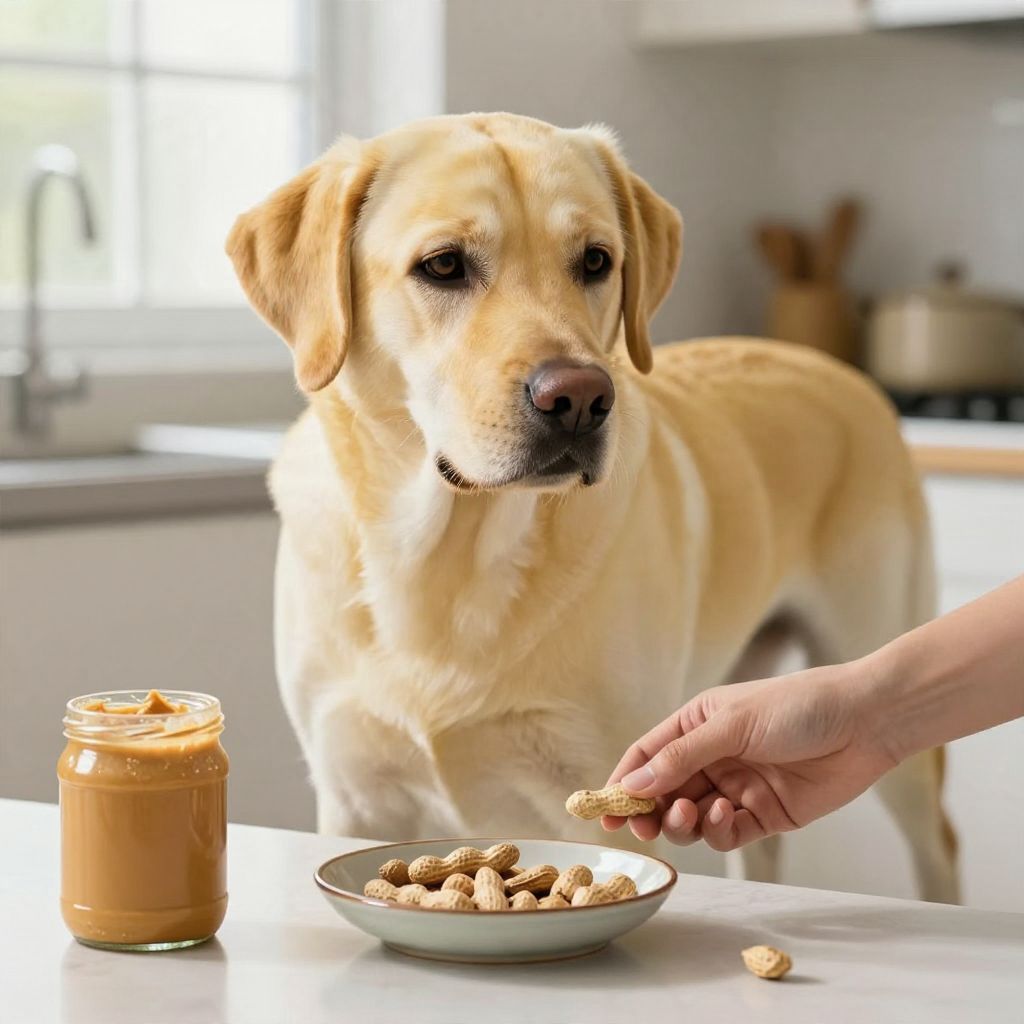
Can dogs eat peanut shells? In most cases, it’s best not to let them. Peanut shells are not a nutritious dog food, and they can be hard to chew, irritating to swallow, and difficult to digest.
If your dog ate a small piece, they may be fine, but larger amounts can cause stomach upset or a blockage. What happens next depends on your dog’s size, how much was eaten, and whether any symptoms appear.
Can Dogs Eat Peanut Shells?
Dogs should not eat peanut shells regularly, and many should avoid them completely. The shells are rough, fibrous, and low in nutritional value, so they can irritate the mouth and digestive tract. A small accidental nibble may pass without trouble, but larger amounts can lead to vomiting, constipation, or an intestinal blockage.
Why Peanut Shells Are a Problem for Dogs
Peanut shells are not toxic in the same way some foods are, but they are still risky. Their texture and shape make them a poor snack for dogs, especially if your dog tends to gulp food or chew only briefly before swallowing.
Common concerns
- Choking risk: Dry shell pieces can catch in the throat, especially if a dog tries to swallow them quickly.
- Digestive irritation: The fibrous shell can scratch or irritate the mouth, stomach, or intestines.
- Blockage risk: Larger pieces or a lot of shells can be hard to move through the gut.
- Upset stomach: Some dogs will vomit, drool, or have diarrhea after eating them.
Why some dogs are at higher risk
Risk varies by the individual dog. Puppies, small dogs, dogs with a history of gulping food, and dogs with sensitive stomachs may have more trouble with shell fragments. Senior dogs or dogs with prior digestive problems may also be more vulnerable to complications.
What If My Dog Ate Peanut Shells?
If your dog ate a few tiny bits, monitor them closely and watch for signs of stomach upset. If they ate a large amount, swallowed sharp or hard shell pieces, or seem unwell, call your veterinarian for guidance. Do not wait if symptoms are getting worse.
Watch for these warning signs
- Repeated vomiting or retching
- Loss of appetite
- Abdominal pain or a hard, bloated belly
- Straining to poop or no stool
- Diarrhea, especially if it continues
- Excessive drooling or gagging
- Lethargy or unusual restlessness
Get urgent veterinary care now if your dog has
- Difficulty breathing
- Choking or repeated unproductive gagging
- A swollen abdomen
- Severe vomiting
- Weakness, collapse, or extreme pain
- Signs of dehydration, such as dry gums and marked lethargy
These can be signs of a serious blockage or another emergency. If you suspect your dog swallowed a large amount of shell, contact a veterinarian promptly rather than trying to manage it at home.
Are Peanut Shells Toxic to Dogs?
Peanut shells themselves are not typically considered a classic toxin, but that does not make them safe. The main concern is mechanical harm: choking, irritation, and intestinal obstruction. Also, peanut products can sometimes carry added seasonings, salt, or flavorings that are not appropriate for dogs.
Check for added ingredients
If the peanuts were flavored, seasoned, or coated, the risk may be higher than with plain shells. Ingredients like onion, garlic, spicy seasonings, or excessive salt can be harmful, and some packaged snacks may contain other unsafe additives.
How Much Is Too Much?
There is no reliable “safe” amount that applies to every dog. A tiny accidental piece may pass uneventfully in one dog, while another may develop vomiting or constipation from a larger amount. Your dog’s size, chewing habits, and digestive sensitivity all matter.
As a general rule, the more shell your dog eats, the more concerned you should be. If your dog is small, has a history of gastrointestinal issues, or ate a lot at once, it is wise to call your vet sooner.
What To Do After Your Dog Eats Peanut Shells
- Remove access to any remaining shells or peanuts.
- Check the package or leftovers for seasonings, salt, or other unsafe ingredients.
- Observe your dog for vomiting, diarrhea, coughing, gagging, or difficulty passing stool.
- Offer normal water and keep your dog calm.
- Call your veterinarian if your dog ate a large amount or has any concerning symptoms.
Do not try to induce vomiting unless a veterinarian specifically tells you to do so. That can be unsafe in some situations, especially if the shell pieces are sharp or if your dog is already showing symptoms.
Can Puppies Eat Peanut Shells?
Puppies should not eat peanut shells. Their smaller airways and less mature digestive systems make choking and blockage concerns more serious. Puppies also tend to explore the world with their mouths, so it is important to keep shells and other hard scraps out of reach.
If a puppy swallows shell pieces, contact your veterinarian sooner rather than later, especially if the puppy is very young, small, or acting differently from normal.
Can Senior Dogs Eat Peanut Shells?
Senior dogs may be more likely to have dental problems, slower digestion, or other health issues that make peanut shells a poor choice. Even if an older dog seems eager to chew them, the shell’s rough texture can be harder on the mouth and gut.
If your senior dog has vomiting, constipation, reduced appetite, or abdominal discomfort after eating shells, it is worth calling your vet promptly.
Safer Peanut Options for Dogs
If your goal is to share a peanut-flavored treat, there are safer choices than shells. Plain, unsalted peanuts or dog-safe peanut butter can be used in moderation if your dog tolerates them and if the product does not contain xylitol or other unsafe ingredients.
Safer ways to offer peanut flavor
- Plain, unsalted peanuts with the shell removed
- Dog-safe peanut butter used sparingly
- Peanut-flavored training treats made for dogs
Even safe treats should stay within your dog’s overall diet. Too much rich food can contribute to weight gain or stomach upset, especially in dogs prone to digestive sensitivity.
Common Mistakes to Avoid
- Assuming shells are harmless because peanuts themselves are often dog-friendly in small amounts.
- Giving shells as a chew toy to keep a dog busy.
- Ignoring repeated vomiting or constipation after shell ingestion.
- Feeding flavored peanuts without checking for unsafe seasonings.
- Using peanut shell scraps as a reward during training or enrichment.
When To Call the Vet
Call your veterinarian if your dog ate a significant amount of peanut shells, if you are unsure how much was swallowed, or if your dog has any digestive symptoms. This is especially important for small dogs, puppies, seniors, and dogs with a history of blockages or sensitive stomachs.
Seek urgent care right away if your dog is choking, struggling to breathe, repeatedly vomiting, has a swollen abdomen, or seems painful or weak. Those signs should never be watched at home.
Bottom Line
Can dogs eat peanut shells? It is safer to say no. A small accidental bite may not cause harm, but peanut shells are not a good snack and can lead to choking, irritation, or digestive blockage. If your dog ate some, monitor closely and call your vet if symptoms appear or the amount was large.
For more on peanut-related dog questions, you may also find this guide on peanut shells for dogs and why dogs like peanut butter helpful.