
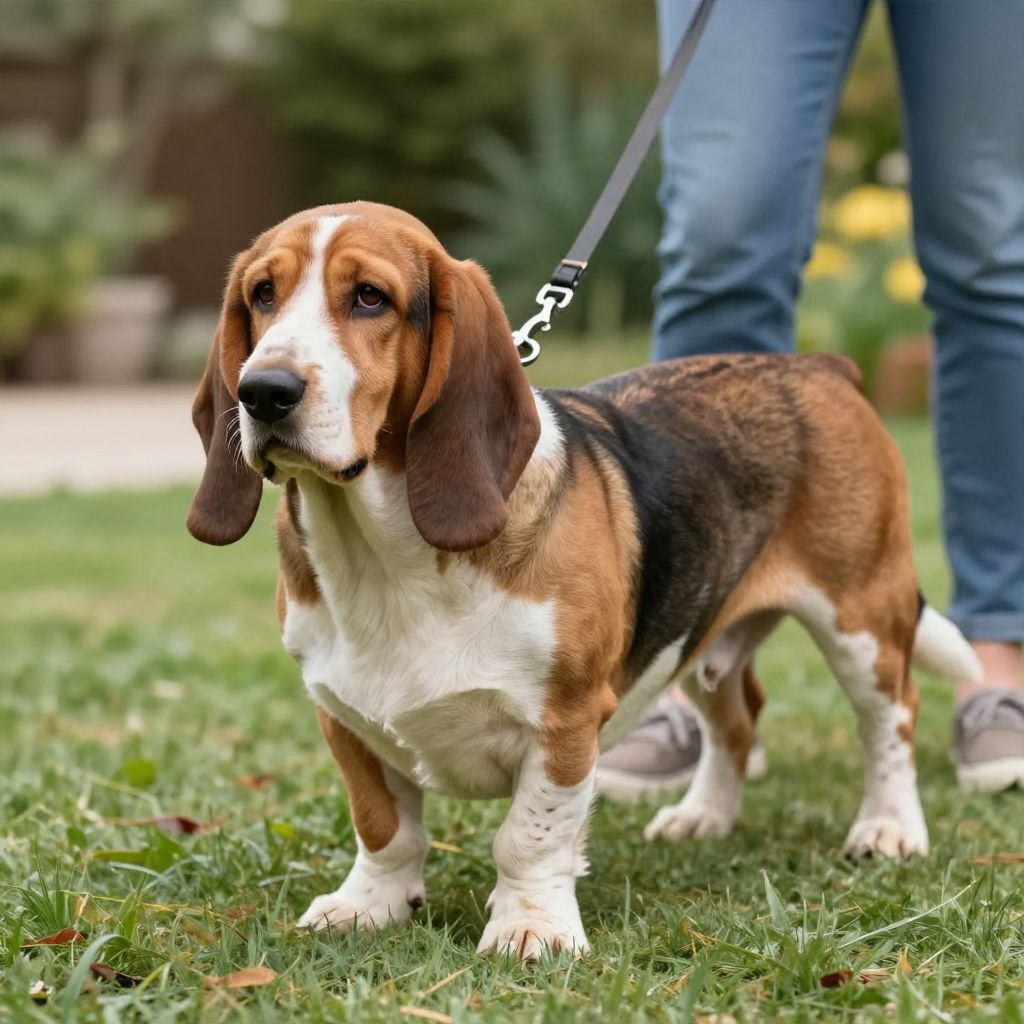
If you’re wondering how long Basset Hounds live, the short answer is that many live into their early teens, though individual lifespan varies. Genetics, body condition, routine veterinary care, and lifestyle all play a role.
Understanding the typical life timeline can help you spot age-related changes early and support your Basset Hound through every stage, from puppyhood to senior years.
How long do Basset Hounds live?
Basset Hounds commonly live around 10 to 12 years, though some may live longer with good care and luck. Their lifespan depends on factors such as inherited health risks, weight management, exercise, dental care, and how quickly medical issues are addressed.
What to expect at each life stage
Puppy to young adult
Young Basset Hounds are usually energetic, curious, and food-motivated. They may also be stubborn or easily distracted, so early training and socialization matter.
- Focus on gentle house training and crate training.
- Use short, reward-based training sessions.
- Protect growing joints by avoiding repeated jumping or long forced exercise.
Adult years
Adult Basset Hounds often settle into a calmer routine, but they still need regular activity and mental enrichment. This is also the stage when weight gain can become a problem if meals and treats are not managed carefully.
- Keep a consistent walking schedule.
- Use puzzle feeders or scent games for enrichment.
- Monitor body condition rather than relying only on the scale.
Senior years
As Basset Hounds age, you may notice slower movement, stiffness, longer naps, or changes in hearing and vision. Senior dogs benefit from earlier veterinary checkups and small home adjustments that make daily life easier.
- Provide soft bedding and easy access to water.
- Use ramps or steps if furniture or stairs are difficult.
- Ask your veterinarian about senior wellness exams and pain screening.
What affects a Basset Hound’s lifespan?
Several factors can influence how long your Basset Hound lives. Some are beyond your control, but many are manageable with consistent care.
Weight and mobility
Extra weight can strain the back, hips, elbows, and joints. Because Basset Hounds have a long body and short legs, carrying excess weight can make movement harder and may worsen discomfort over time.
Inherited health concerns
Like many purebred dogs, Basset Hounds can be prone to certain health conditions. Not every dog will develop them, but regular veterinary care helps catch problems early.
- Ear infections, especially with long, floppy ears
- Eye issues
- Joint and back problems
- Skin irritation in skin folds
- Digestive upset or bloat risk in some dogs
Preventive veterinary care
Routine exams, vaccines, parasite prevention, dental care, and prompt treatment for illness can all support a longer, healthier life. Small problems are often easier to manage before they become serious.
How to help your Basset Hound live longer
You cannot control every health outcome, but you can improve the odds of a longer, more comfortable life with consistent daily care.
- Keep your dog lean. Measure meals, limit high-calorie treats, and adjust food if your dog is gaining weight.
- Provide regular exercise. Short walks, sniffing time, and low-impact play are usually better than intense activity.
- Brush and check the ears. Floppy ears can trap moisture and debris, which may increase infection risk.
- Support dental health. Regular tooth brushing and veterinary dental care can reduce oral disease.
- Schedule wellness visits. Annual exams are important for healthy adults; seniors may need more frequent checks.
- Watch for pain or behavior changes. Slowing down, reluctance to climb, or changes in appetite can signal a problem.
Common health problems that can shorten lifespan
Some conditions are especially important to watch for because early treatment can improve comfort and outcomes.
Ear infections
Basset Hounds’ ears can hold in warmth and moisture, creating a good environment for infection. Signs include odor, redness, head shaking, scratching, or discharge.
Joint and back issues
Because of their body shape, Basset Hounds may be vulnerable to orthopedic discomfort. If your dog seems stiff, hesitant to move, or painful when picked up, contact your veterinarian.
Obesity-related problems
Extra weight can affect breathing, mobility, heart health, and overall stamina. If your dog is overweight, ask your veterinarian for a safe weight-loss plan rather than cutting food drastically on your own.
Dental disease
Bad breath is not just a nuisance. Dental disease can cause pain, infection, and difficulty eating, so routine oral care matters throughout life.
When to call the vet right away
Some symptoms should never be watched at home for long. Seek urgent veterinary care if your Basset Hound has any of the following:
- Sudden collapse or extreme weakness
- Difficulty breathing
- A swollen, painful abdomen
- Repeated vomiting or inability to keep water down
- Severe pain, inability to stand, or dragging limbs
- Seizures
- Eye injury, sudden blindness, or a very red painful eye
- Signs of heatstroke such as heavy panting, confusion, or collapse
If you are unsure whether a symptom is urgent, call your veterinarian or an emergency clinic immediately.
Age-appropriate care tips for a healthier lifespan
For puppies
Young Basset Hounds need consistency, patience, and safe structure. Keep training positive, use short sessions, and avoid overexercising growing joints.
For adults
Adult dogs do best with routine. A predictable feeding schedule, daily walks, and regular grooming can help you notice changes early.
For seniors
Older Basset Hounds may need more comfort and monitoring. Try to make movement easier, keep routines stable, and discuss pain management or mobility support with your veterinarian if needed.
Common mistakes that can reduce quality of life
- Overfeeding treats or free-feeding without measuring portions
- Skipping ear checks and dental care
- Ignoring stiffness, limping, or appetite changes
- Assuming slowing down is “just old age” instead of a possible medical issue
- Using harsh training methods that damage trust and make behavior worse
The bottom line
So, how long do Basset Hounds live? Many live about 10 to 12 years, and some do better with excellent care. The biggest ways you can help are keeping your dog at a healthy weight, staying on top of veterinary care, and addressing pain or illness early.
If you want to compare lifespan expectations across breeds, you may also find these guides helpful: How long do Beagles live? and How long do Labradors live?